Skip to content



Welcome to the ultimate guide to dog grooming! If you’re a proud pup parent, you know how important it is to keep your furry friend looking and feeling their best. From keeping their coat shiny and tangle-free to maintaining clean ears and paws, grooming plays a vital role in your dog’s overall health and well-being.
In this comprehensive guide, we’ll walk you through everything you need to know to keep your pup looking fabulous and healthy. Whether you’re a beginner or a seasoned groomer, you’ll find valuable tips and techniques to ensure your dog has a positive grooming experience. We’ll cover a wide range of topics, including the essential tools you’ll need, step-by-step grooming routines for different coat types, tips for maintaining healthy skin, and even some creative grooming ideas to add a little flair to your pup’s style. By the end of this guide, you’ll be armed with the knowledge and skills to make grooming sessions enjoyable for both you and your beloved companion. So let’s jump in and get started on the journey to a well-groomed and happy pup!
Importance of dog grooming
Grooming is an essential aspect of responsible dog ownership. It not only keeps your pup looking their best but also plays a crucial role in maintaining their overall health and well-being. Regular grooming helps to remove dirt, debris, and excess hair, preventing matting and tangling. This, in turn, helps to keep your dog’s coat healthy and free from skin irritations or infections.
Additionally, grooming provides an opportunity to closely inspect your dog’s skin, paws, and ears for any signs of issues, such as fleas, ticks, or other parasites. Early detection of these problems can help you address them quickly and prevent them from becoming more serious. Proper grooming also helps to reduce shedding, keeping your home cleaner and more comfortable for both you and your pup.
Beyond the physical benefits, grooming can also have a positive impact on your dog’s mental and emotional well-being. It can be a calming and bonding experience for both you and your furry friend, especially when done in a gentle and positive manner. Regular grooming sessions can help your dog feel more relaxed and comfortable, and can even contribute to a stronger sense of trust and affection between you and your pet.
Basic dog grooming tools and supplies
To ensure a successful and enjoyable grooming experience for both you and your dog, it’s essential to have the right tools and supplies on hand. Here are some of the essential items you’ll need:
Brush and comb: Depending on your dog’s coat type, you’ll need a variety of brushes and combs to effectively remove loose hair, distribute natural oils, and prevent matting. Some popular options include slicker brushes, pin brushes, and de-shedding tools.
Shampoo and conditioner: Choose a high-quality, dog-safe shampoo and conditioner that are formulated to nourish and protect your pup’s skin and coat. Look for products that are free from harsh chemicals and fragrances.
Nail clippers: Keeping your dog’s nails trimmed is important for their comfort and mobility. Look for specialized dog nail clippers or grinders to ensure a safe and effective trim.
Ear cleaner: Regular ear cleaning is essential to prevent infections and maintain your dog’s ear health. Use a gentle, dog-safe ear cleaning solution and cotton balls or pads.
Towels and drying tools: Have plenty of absorbent towels on hand for bathing and drying your dog. You may also want to invest in a high-velocity dryer or grooming table to make the drying process more efficient.
Grooming scissors: Sharp, high-quality grooming scissors are necessary for trimming fur around your dog’s paws, ears, and other sensitive areas. Be sure to use scissors designed specifically for pet grooming.
By having these essential tools and supplies ready, you’ll be well-equipped to provide your dog with a comfortable and thorough grooming experience.
How often should you groom your dog?
The frequency of grooming your dog can vary depending on several factors, including their breed, coat type, and activity level. As a general rule, most dogs should be groomed on a regular basis, typically every 4-8 weeks. However, some dogs may require more or less frequent grooming depending on their individual needs.
For short-haired dogs, a weekly brushing and occasional bathing (every 4-6 weeks) may be sufficient to keep their coat healthy and prevent matting. On the other hand, long-haired or double-coated breeds, such as Poodles, Shih Tzus, and Bernese Mountain Dogs, may require more frequent grooming, often every 4-6 weeks, to prevent their coats from becoming matted and tangled.
Dogs that spend a lot of time outdoors or engage in activities that can get their coat dirty, such as swimming or playing in the mud, may also need more frequent grooming to keep them clean and prevent the buildup of debris and odors. Additionally, senior dogs or those with certain health conditions may require more frequent grooming to maintain their coat and skin health.
It’s important to pay attention to your dog’s individual needs and adjust the grooming schedule accordingly. If you notice your pup’s coat becoming matted, their skin looking irritated, or their nails getting too long, it’s a sign that it’s time for a grooming session. Regularly checking your dog’s coat, skin, and nails can help you determine the optimal grooming frequency for your furry friend.
Step-by-step guide to dog grooming
Grooming your dog can be a rewarding and bonding experience, but it’s important to approach it with patience and care. Here’s a step-by-step guide to help you ensure a positive grooming session for both you and your pup:
-
- Prepare the grooming area: Choose a quiet, well-lit, and comfortable space for your dog’s grooming session. This could be a designated grooming table, a sturdy counter, or even a bathtub. Make sure the area is free from distractions and has all the necessary supplies within reach.
-
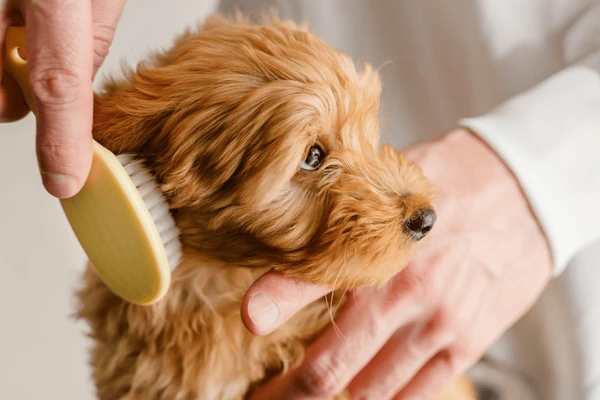
- Brush and de-mat: Start by thoroughly brushing your dog’s coat to remove any loose hair, dirt, and debris. Pay close attention to areas where matting may occur, such as behind the ears, armpits, and around the legs and tail. Use a slicker brush or a de-matting tool to gently work through any tangles or mats.
-
- Bathe your dog: Carefully place your dog in the bathtub or grooming area and wet their coat with lukewarm water. Apply a high-quality, dog-safe shampoo and gently massage it into their skin, working from the neck down. Rinse thoroughly to remove all traces of the shampoo.
-
- Dry your dog: Use a large, absorbent towel to gently blot and pat your dog’s coat dry. Avoid rubbing the coat, as this can cause tangles and static. If necessary, use a high-velocity dryer on a low setting to complete the drying process, being careful to keep the air nozzle a safe distance from your dog’s skin.
-
- Trim nails: Carefully inspect your dog’s nails and trim them if necessary. Use specialized dog nail clippers or a grinder to avoid cutting the quick (the blood vessel inside the nail). If you’re unsure, consult a professional groomer or veterinarian for guidance.
-
- Clean ears: Gently wipe the visible parts of your dog’s ears using a cotton ball or pad dampened with a dog-safe ear cleaning solution. Avoid inserting anything into the ear canal, as this can potentially cause damage.
- Finish with a final brush: Once your dog is clean and dry, give their coat a final brushing to remove any remaining loose hair and distribute the natural oils evenly throughout their fur.
Remember, it’s important to make the grooming experience as positive and stress-free as possible for your dog. Offer plenty of praise, treats, and breaks to keep them calm and comfortable throughout the process.
Brushing and combing your dog’s coat
Brushing and combing your dog’s coat is one of the most important aspects of their grooming routine. Regular brushing helps to remove loose hair, distribute natural oils, and prevent matting and tangles. The frequency and technique of brushing will depend on your dog’s coat type and length.
For short-haired dogs, a weekly brushing with a slicker brush or a rubber grooming brush may be sufficient to keep their coat in good condition. These types of brushes are effective at removing loose hair and distributing the natural oils throughout the coat.
Long-haired or double-coated breeds, on the other hand, may require more frequent brushing, often several times a week. In addition to a slicker brush, you may also want to use a wide-tooth metal comb or a de-shedding tool to help remove any undercoat or loose hair. Be gentle and take your time, as these dogs are more prone to matting and tangles.
When brushing, start at the head and work your way down the body, using gentle, long strokes in the direction of the hair growth. Pay close attention to areas where matting is more likely to occur, such as behind the ears, armpits, and around the legs and tail. If you encounter any stubborn tangles, use a detangling spray or conditioner to help loosen them before brushing.
Remember to be patient and positive during the brushing process. Offer your dog plenty of praise and treats to make the experience enjoyable for both of you. With consistent and proper brushing, you can help keep your dog’s coat healthy, shiny, and tangle-free.
Bathing and drying techniques
Bathing your dog is an essential part of their grooming routine, but it’s important to do it properly to ensure their comfort and safety. Here are some tips for effective and gentle bathing and drying techniques:
Bathing:
- Brush your dog thoroughly before bathing to remove any loose hair and tangles.
- Use lukewarm water to wet your dog’s coat, being careful to avoid getting water in their ears.
- Apply a high-quality, dog-safe shampoo and gently massage it into their skin, working from the neck down.
- Rinse thoroughly to remove all traces of the shampoo, as any residue can irritate your dog’s skin.
- If your dog has a double coat, use a conditioner to help keep their undercoat healthy and prevent matting.
- Avoid getting shampoo or water in your dog’s eyes, nose, and ears.
Drying:
- Use large, absorbent towels to gently blot and pat your dog’s coat dry, rather than rubbing.
- If necessary, use a high-velocity dryer on a low setting to complete the drying process, keeping the air nozzle a safe distance from your dog’s skin.
- Be sure to dry all areas thoroughly, including the armpits, groin, and between the toes, to prevent skin irritation or bacterial growth.
- Consider using a grooming table or elevated surface to make the drying process more comfortable for your dog.
- Offer plenty of praise, treats, and breaks to keep your dog calm and cooperative during the bathing and drying process.
By following these best practices, you can help ensure your dog’s bathing experience is comfortable and enjoyable, leaving their coat clean, soft, and free from any lingering odors or dirt.
Nail trimming and ear cleaning
Maintaining your dog’s nails and ears is an important aspect of their overall grooming routine. Neglecting these areas can lead to discomfort, infection, and other health issues.
Nail trimming:
- Regularly inspect your dog’s nails and trim them if they are getting too long.
- Use specialized dog nail clippers or a grinder to avoid cutting the quick (the blood vessel inside the nail).
- Start by trimming just the tip of the nail, being careful not to cut too close to the quick.
- If you’re unsure of the proper technique, consult a professional groomer or veterinarian for guidance.
- Provide your dog with plenty of praise and treats during the nail trimming process to make it a positive experience.
Ear cleaning:
- Inspect your dog’s ears regularly for signs of dirt, wax buildup, or infection, such as redness, swelling, or a foul odor.
- Use a dog-safe ear cleaning solution and cotton balls or pads to gently wipe the visible parts of the ear.
- Avoid inserting anything into the ear canal, as this can potentially cause damage.
- If you notice any significant issues or your dog seems uncomfortable, consult your veterinarian for proper treatment.
- Regular ear cleaning can help prevent infections and maintain your dog’s ear health.
Remember, both nail trimming and ear cleaning should be done with care and patience, as these areas can be sensitive for your dog. Take your time, offer plenty of positive reinforcement, and don’t hesitate to seek professional help if you’re unsure about the process.
Dental care for dogs
Dental health is an often-overlooked aspect of dog grooming, but it’s just as important as keeping your pup’s coat and nails in good condition. Neglecting your dog’s dental care can lead to a host of problems, including gum disease, tooth loss, and even more serious health issues.
Regular tooth brushing is the best way to maintain your dog’s dental health. Start by introducing your dog to the process slowly, using a soft-bristled toothbrush and dog-safe toothpaste. Gradually increase the frequency and duration of the brushing sessions until you’re able to thoroughly clean their teeth a few times a week.
In addition to brushing, you can also provide your dog with dental chews, treats, and toys that help remove plaque and tartar buildup. These products are designed to clean your dog’s teeth while they chew, making it a more enjoyable experience for them.
If your dog’s dental health seems to be deteriorating, or if you notice signs of gum disease, such as red, swollen, or bleeding gums, it’s important to schedule a visit with your veterinarian. They can perform a professional cleaning and provide any necessary treatments to restore your dog’s oral health.
Remember, maintaining your dog’s dental hygiene is not only important for their overall health but can also contribute to their longevity and quality of life. By making dental care a regular part of your grooming routine, you can help keep your pup’s smile bright and healthy for years to come.
Tips for maintaining a healthy and shiny coat
A healthy, shiny coat is a sign of a happy and well-cared-for dog. Here are some tips to help you maintain your pup’s coat in top condition:
Proper nutrition: A balanced, high-quality diet rich in essential nutrients, such as proteins, fats, and vitamins, is crucial for maintaining a healthy coat. Consult your veterinarian to ensure your dog is getting the right nutrients for their age, breed, and activity level.
Hydration: Keeping your dog well-hydrated is also important for coat health. Make sure they have access to clean, fresh water at all times and consider adding moisture-rich foods, like wet canned food or bone broth, to their diet.
Supplement with omega-3s: Omega-3 fatty acids, such as those found in fish oil or flaxseed, can help nourish your dog’s skin and coat, promoting a shiny, healthy appearance.
Brush regularly: As mentioned earlier, regular brushing is essential for distributing natural oils, removing loose hair, and preventing matting and tangles.
Use the right shampoo: Choose a high-quality, dog-safe shampoo that is free from harsh chemicals and formulated to nourish and protect your pup’s coat and skin.
Avoid over-bathing: While regular bathing is important, over-bathing can strip the natural oils from your dog’s coat, leading to dryness and irritation. Aim for a bath every 4-6 weeks, or as needed.
Protect from the elements: Exposure to the sun, wind, and other environmental factors can take a toll on your dog’s coat. Consider using a dog-safe sunscreen or protective clothing when your pup is spending time outdoors.
By following these tips and incorporating them into your regular grooming routine, you can help ensure your dog’s coat remains healthy, shiny, and beautiful.
Conclusion: Benefits of regular dog grooming
Regular dog grooming is an essential aspect of responsible pet ownership that offers a multitude of benefits for both you and your furry companion. By keeping your dog well-groomed, you can not only maintain their physical appearance but also promote their overall health and well-being. One of the primary benefits of regular grooming is the prevention of skin and coat issues. Brushing, bathing, and trimming help to remove dirt, debris, and excess hair, reducing the risk of matting, tangles, and skin irritations. This, in turn, can help to prevent more serious problems, such as skin infections or parasitic infestations. Grooming also provides an opportunity to closely inspect your dog’s body for any signs of potential health concerns, such as lumps, bumps, or changes in their skin or coat. Early detection of these issues can lead to prompt treatment and better outcomes for your pet.
Beyond the physical benefits, regular grooming can also have a positive impact on your dog’s mental and emotional well-being. The process of being brushed, bathed, and cared for can be a calming and bonding experience, helping to build trust and strengthen the relationship between you and your furry friend. Additionally, a well-groomed dog is often more comfortable and confident, as they are free from the discomfort of matted fur, overgrown nails, or dirty ears. This can contribute to their overall happiness and quality of life.
By making dog grooming a regular part of your pet care routine, you can help ensure your pup looks and feels their best, while also promoting their long-term health and well-being. So, embrace the joys of grooming and enjoy the many benefits it can bring to both you and your beloved canine companion.