Skip to content




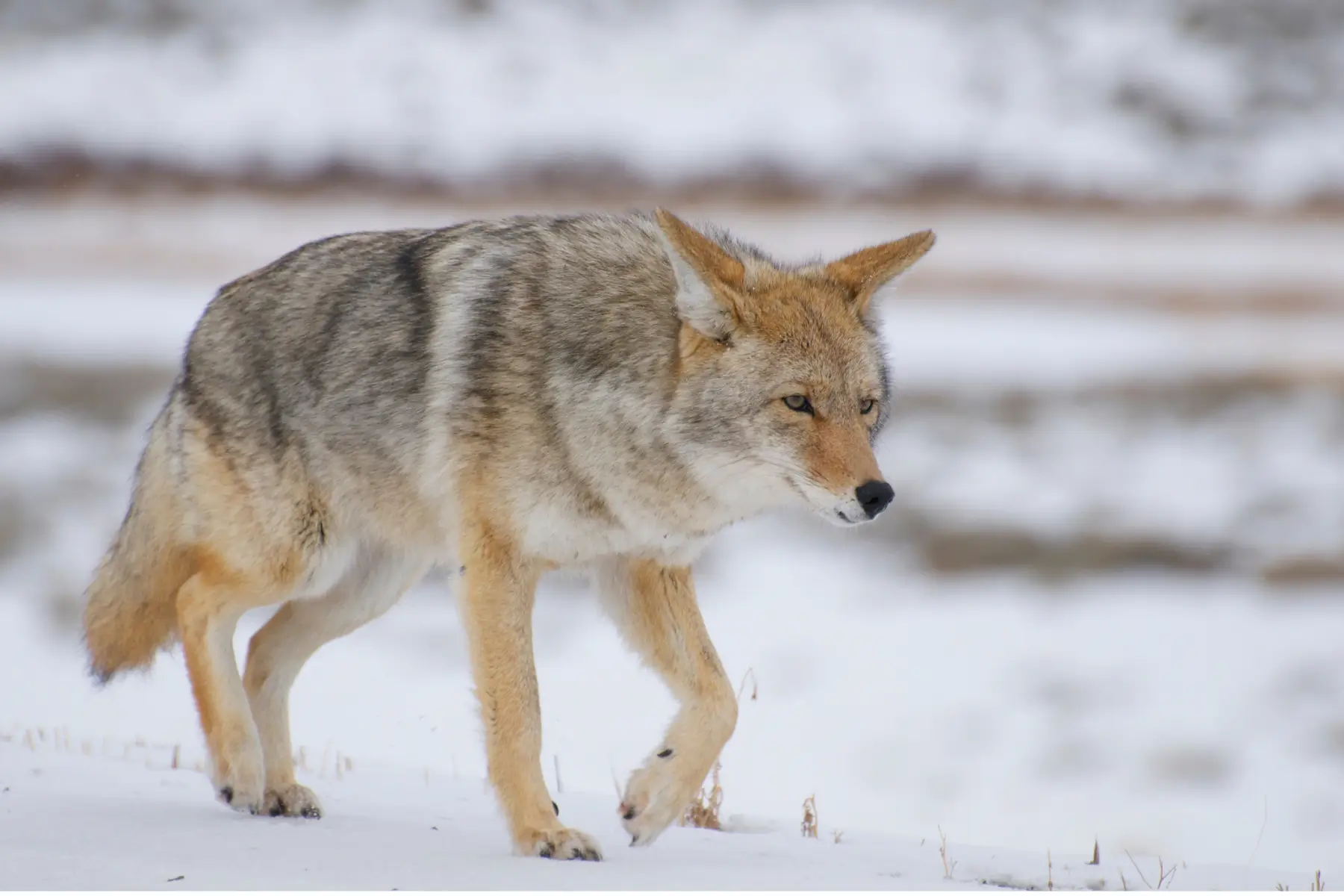
As March arrives in Colorado, bringing longer days and the promise of spring, something else is stirring across the Front Range: wildlife activity is surging. While we love living in a state where nature thrives alongside our communities, the proximity of predators like coyotes and mountain lions to suburban areas creates real concerns for pet owners, especially during this critical time of year.
If you live anywhere along the Denver Metro Area, from Aurora to Watkins and beyond, you’ve likely heard the yipping chorus of coyotes at dusk or seen social media posts warning neighbors about mountain lion sightings. These aren’t isolated incidents or exaggerations. Since March represents peak activity season for Colorado’s large predators, understanding why this happens and how to protect your pets can mean the difference between a close call and a tragedy.
At Doggie Dude Ranch and the O’Cat Corral, we take wildlife safety seriously. Our location and experience have taught us that even seemingly quiet suburban and semi-rural areas face genuine predator risks, particularly during the spring months. Today, we’re sharing what every Colorado pet owner needs to know about protecting their furry family members from coyotes and mountain lions during the most dangerous time of year.
The Spring Surge: Why March is Peak Predator Season
Several factors converge in early spring to create what wildlife experts call the “spring surge”—a dramatic increase in predator activity and visibility that puts pets at heightened risk.
Pupping Season: Territorial and Aggressive Coyotes
Coyote breeding season typically peaks in February and March, which means by early spring, many coyotes are preparing dens and actively hunting to feed growing pups. This biological imperative transforms normally cautious coyotes into bold, territorial animals willing to take risks they’d normally avoid.
Parent coyotes defending den sites or seeking food for their young are far more aggressive than coyotes at other times of year. They’re less afraid of humans, more willing to approach residential areas, and significantly more likely to view small pets as prey or threats to be eliminated. A coyote that might normally slink away from a barking dog in summer may stand its ground—or worse, attack—when protecting nearby pups in March.
The Hungry Month: Predators Moving to Lower Elevations
Early March is often described by wildlife biologists as the “hungry month” for Colorado predators. Deep snow still blankets the high country, making hunting difficult for mountain lions and limiting food availability for coyotes. Natural prey animals like deer, elk, and rabbits have depleted easily accessible food sources, forcing predators to expand their territories and move toward lower elevations.
This migration brings mountain lions and coyotes directly into the Denver Metro Area suburbs, semi-rural communities like Watkins, and anywhere their prey animals seek easier conditions. Your backyard isn’t just near wildlife habitat during March; it is wildlife habitat, with hungry predators actively hunting in areas they might avoid during more abundant seasons.
Increased Daylight: Walking During Prime Hunting Hours
As we approach the spring equinox, daylight hours extend on both ends of the day. Pet owners naturally respond by walking their dogs earlier in the morning and later in the evening, taking advantage of the available light before work or after dinner.
Unfortunately, these extended walking hours overlap perfectly with crepuscular activity periods (dawn and dusk) when both coyotes and mountain lions are most active hunters. These transition hours between day and night offer predators optimal hunting conditions: reduced visibility, active prey animals, and the element of surprise.
When you’re walking your dog at 6:30 AM or 7:30 PM in March, you’re sharing the landscape with predators at the peak of their hunting activity. This timing significantly increases encounter risks compared to midday walks.
The Perfect Storm
When you combine territorial coyotes protecting dens, hungry predators pushed to lower elevations, and increased human-pet activity during prime hunting hours, you create what amounts to a perfect storm of risk factors. March isn’t just slightly more dangerous for pets—it’s exponentially more dangerous, with wildlife encounter rates spiking dramatically compared to other months.
Understanding the Threats: Coyotes vs. Mountain Lions
While both predators pose risks to Colorado pets, they behave differently and require different safety strategies.
Coyote Behavior and Risk Factors
Coyotes are opportunistic omnivores that have adapted remarkably well to urban and suburban environments. They’re intelligent, adaptable, and increasingly comfortable around humans, a combination that makes them particularly dangerous to pets.
- Size Matters: Coyotes typically view cats and small dogs (under 25 pounds) as prey. Medium-sized dogs (25-50 pounds) may be seen as either prey or competition, depending on the situation and the coyote’s desperation. Even large dogs aren’t completely safe—pack behavior during pupping season has led to attacks on dogs over 80 pounds, though these incidents usually involve territorial defense rather than predation.
- Pack Dynamics: While a single coyote might avoid confrontation with a medium or large dog, coyotes often hunt in pairs or small packs, particularly during breeding and pupping season. One coyote may act as a “lure,” approaching and enticing a dog to chase it while other pack members wait in ambush. This coordinated hunting behavior is sophisticated and extremely dangerous.
- Bold Behavior: Urban coyotes have lost much of their natural fear of humans. They’ve learned that residential areas provide abundant food sources: pet food left outside, unsecured garbage, and the pets themselves. This habituation means coyotes may brazenly enter yards, approach pets on leashes, and show little concern for human presence, especially at dawn or dusk.
- Attack Patterns: Coyote attacks on pets typically occur in three scenarios: in unfenced yards (especially during dawn or dusk), on walking trails or open spaces, and occasionally in fenced-in yards when coyotes jump or dig under barriers. Attacks are quick and efficient. Coyotes grab small pets and flee, often before owners can react.
Mountain Lion Behavior and Risk Factors
Mountain lion encounters are less common than coyote encounters, but they’re potentially more dangerous when they occur. Colorado is home to an estimated 3,000-7,000 mountain lions, and their range includes the entire Front Range corridor.
- Solitary Hunters: Unlike coyotes, mountain lions are solitary ambush predators. They rely on stealth, stalking prey silently before launching a surprise attack from behind or above. Mountain lions can cover 40 feet in a single leap and strike with devastating speed and power.
- Prey Selection: Mountain lions primarily hunt deer but will opportunistically take smaller prey when available. Cats and small-to-medium dogs fall well within their prey size range. The crouching, quick movements of small pets can trigger a mountain lion’s chase instinct even when the lion isn’t actively hunting.
- Rare but Real: While mountain lion attacks on pets are less frequent than coyote attacks, they do occur in Colorado suburbs, particularly in areas near open space, foothills, or creek corridors. Anywhere along the urban-wildland interface sees periodic mountain lion activity.
- Critical Safety Rule: The single most important thing to know about mountain lions: never run. Running triggers their chase instinct. If you encounter a mountain lion while with your pet, pick up small pets immediately, make yourself appear larger, make noise, and back away slowly while maintaining eye contact. Do not turn your back or crouch down.
Recognizing High-Risk Situations
Understanding when and where your pet faces the greatest danger helps you make smarter decisions about outdoor activities.
High-Risk Times
- Dawn (5:00 AM – 8:00 AM): Peak activity for both coyotes and mountain lions. Predators are completing overnight hunts or beginning morning activity. Visibility is limited, and predators have the advantage.
- Dusk (6:00 PM – 9:00 PM): Another crepuscular peak. Predators are beginning evening hunts. The transition from daylight to darkness provides optimal hunting conditions.
- Overnight (10:00 PM – 5:00 AM): While fewer people walk pets during these hours, any pet left outside overnight faces extreme risk. Both predators are actively hunting throughout the night.
High-Risk Locations
- Creek Corridors and Drainage Areas: These natural corridors provide cover and water, attracting both predators and their prey. Properties near creeks, ditches, or drainage areas face an elevated risk.
- Open Space Boundaries: Homes backing to open space, prairie, or undeveloped land sit directly on the predator-suburban interface. Wildlife moves freely between wild areas and your backyard.
- Golf Courses: The manicured-wild combination of golf courses attracts prey animals and provides hunting grounds for predators. Properties adjacent to golf courses often report frequent wildlife activity.
- Acreage and Semi-Rural Properties: Properties with several acres, outbuildings, or livestock facilities provide hiding spots and attract predators following prey animals.
- Trail Systems: Walking trails, particularly those through natural areas or connecting open spaces, are wildlife corridors where encounters are more likely.
High-Risk Behaviors
Certain activities dramatically increase your pet’s vulnerability:
- Walking off-leash in open areas
- Leaving pets unattended in yards during dawn or dusk
- Allowing cats to roam outdoors, especially at night
- Walking alone with small pets during crepuscular hours
- Using retractable leashes that allow pets to range far ahead
- Failing to scan the surroundings before letting pets out
Practical Home Safety Strategies
Protecting your pet from predators requires layered defenses and consistent habits. No single strategy provides complete protection, but combining multiple approaches significantly reduces risk.
Keep Pets Inside During Critical Hours
The simplest and most effective strategy: keep your pets indoors during dawn and dusk. These few hours represent the highest-risk periods, and simply avoiding them eliminates the majority of potential encounters.
Morning Routine Adjustments:
- Walk dogs during full daylight, after 8:00 AM when possible
- If early walks are necessary, stick to well-lit streets in residential areas
- Avoid trails, open spaces, and creek areas during early morning hours
- Keep cats inside exclusively—no dawn or dusk outdoor access
Evening Routine Adjustments:
- Complete final dog walks before dusk, ideally by 5:00-6:00 PM in early spring
- If late walks are unavoidable, stay in well-lit areas with high human activity
- Never leave dogs outside unattended after dark, even in fenced yards
- Bring cats inside before sunset without exception
Leash Up: Your First Line of Defense
Even in areas where off-leash walking is legal and common, keeping your pet on a leash during March and April provides critical protection.
Why Leashes Are Important:
- A leashed pet stays within your protective range
- You can immediately pull your pet close if a predator approaches
- You prevent your pet from chasing or pursuing wildlife (which often leads to ambush)
- You maintain control during an encounter, allowing for better defensive responses
Leash Best Practices:
- Use a standard 4-6 foot leash, not a retractable leash that allows ranging
- Keep the leash relatively short during high-risk times and locations
- Be prepared to pull your pet behind you or pick them up quickly
- Carry a walking stick or deterrent device in your free hand
Secure Your Yard
Your fenced backyard isn’t as safe as you think. Coyotes can jump 6-foot fences, dig under barriers, or squeeze through surprisingly small gaps. Mountain lions can leap over most residential fencing.
Fencing Improvements:
- Extend fence height to at least 6 feet, preferably 8 feet, in high-risk areas
- Install coyote rollers on fence tops to prevent climbing
- Bury fence bases 12-18 inches deep or install an L-footer underground to prevent digging
- Eliminate fence gaps and repair damage promptly
- Consider adding an inward-facing overhang to deter climbing
Yard Lighting:
- Install motion-sensor lights covering all yard areas, especially near fence lines
- Use bright LED lights that activate at the slightest movement
- Position lights to eliminate dark corners and shadowed areas
- Consider solar-powered options for areas without electrical access
- Keep lights well-maintained with working bulbs and clean sensors
Habitat Modification:
- Remove brush piles, dense shrubs, and hiding spots near the house
- Clear vegetation along fence lines to eliminate cover
- Eliminate attractants: secure garbage, remove pet food, clean up fallen fruit
- Don’t feed wildlife—bird feeders attract prey animals, which attract predators
- Keep yards well-maintained and visibility high
Supervised Outdoor Time
Never leave small pets unattended outside, even in fenced yards. This rule becomes absolutely critical during March and April.
Supervision Guidelines:
- Stay outside with your pet during bathroom breaks and yard time
- Actively watch your pet rather than looking at your phone
- Scan your yard and surrounding areas before letting pets out
- Trust your instincts—if something feels off, bring your pet inside
- Consider installing outdoor cameras to monitor areas you can’t see
Cat-Specific Safety
Outdoor cats face extreme predator risk, particularly from coyotes. During spring predator season, the safest place for any cat is indoors.
Indoor Transition:
- If your cat currently goes outdoors, transition to indoor-only living during March and April at a minimum.
- Provide environmental enrichment: climbing structures, window perches, and interactive toys.
- Consider a secure “catio” (enclosed cat patio) for safe outdoor access.
- Never allow cats outside during dawn, dusk, or overnight hours.
- Microchip and collar all cats in case they escape.
At Doggie Dude Ranch and O’Cat Corral, all of our feline guests enjoy exclusively indoor accommodations in climate-controlled suites. They experience the mental stimulation and physical activity they need without any exposure to the predators that make outdoor life so dangerous for cats.
What to Do During an Encounter
Despite your best precautions, you may still encounter a coyote or mountain lion while with your pet. How you respond in those critical seconds matters enormously.
Coyote Encounters
Immediate Actions:
- Pull your pet close or pick up small pets immediately.
- Face the coyote and make yourself appear larger (raise arms, open jacket).
- Make loud, aggressive noises: yell, clap, use an air horn if you carry one.
- Throw objects toward (not at) the coyote: rocks, sticks, anything available.
- Do not run or turn your back.
- Slowly back away while maintaining eye contact and an aggressive posture.
- If the coyote follows, escalate aggression: stomp, charge forward while yelling.
Hazing: Coyote hazing—aggressive confrontation that reinstills fear of humans—is actually encouraged by wildlife officials. Make the encounter as unpleasant as possible for the coyote. The goal is to teach it that approaching humans and pets results in negative experiences.
Mountain Lion Encounters
Immediate Actions:
- Stop immediately—do not run under any circumstances.
- Pick up small pets without crouching (stay tall, lift pets to chest level).
- Face the mountain lion and maintain eye contact.
- Make yourself appear as large as possible.
- Speak firmly and loudly.
- If the lion behaves aggressively, throw rocks or sticks while maintaining your stance.
- If attacked, fight back aggressively—mountain lions have been driven off by people fighting back.
Never:
- Run (triggers chase instinct)
- Turn your back
- Crouch or bend down
- Play dead (unlike bears, playing dead doesn’t work with mountain lions)
- Allow your pet to approach or bark at the lion
The Ranch Advantage: Professional Wildlife Protection
While these home safety strategies significantly reduce risk, they require constant vigilance and perfect execution. For many pet owners, the stress of wondering whether their backyard is truly safe or whether that evening walk might end in tragedy becomes overwhelming during peak predator season.
This is where Doggie Dude Ranch and the O’Cat Corral provide something invaluable: peace of mind through professional wildlife protection.
Supervised Play: Never Alone, Never Vulnerable
The single biggest difference between home yards and our facility is constant professional supervision. Dogs are never left unattended in our play yards, ever. Our trained staff maintains visual contact with all playing dogs, watches for any signs of wildlife presence, and can intervene immediately if any threat appears.
Predators, particularly coyotes, are ambush hunters that target vulnerable, isolated animals. A lone dog in a backyard during dawn or dusk presents an easy opportunity. A supervised group of dogs with human presence represents a difficult, risky target that predators overwhelmingly avoid.
This supervision extends to all outdoor time:
- Structured play sessions with staff monitoring
- Potty breaks accompanied by staff
- Quick response capability if any wildlife is spotted
- Immediate shelter access if threats emerge
Secure Perimeter: Keeping the Wild Outside
Our facility features professional-grade perimeter fencing designed specifically to exclude wildlife. This isn’t standard residential fencing—it’s reinforced, maintained, and regularly inspected security fencing that keeps predators out.
Additional Security Measures:
- Lighting systems that deter nocturnal predators
- Clear sight lines around the entire perimeter
- Elimination of hiding spots and cover near fence lines
Group Dynamics: Safety in Numbers
Wildlife biology tells us that predators preferentially target isolated, vulnerable prey. A supervised group of dogs creates a scenario that predators instinctively avoid: too many potential threats, too much noise, too much unpredictability, and the presence of protective humans.
During peak predator season, the difference between a lone pet in a backyard and a supervised group at our facility is dramatic. Coyotes that might boldly approach a single small dog will stay clear of a group of playing dogs under staff supervision. Mountain lions, which rely entirely on stealth and surprise, simply won’t approach a noisy, active group in broad daylight.
Indoor Alternatives: Climate-Controlled Safety
When weather conditions or wildlife activity make outdoor play inadvisable, we don’t simply keep dogs kenneled. Our climate-controlled indoor playroom provides active play opportunities without any exposure to outdoor predators.
Small dogs, senior pets, and anyone who would be particularly vulnerable to predators can enjoy full playtime in complete safety. This indoor alternative means your pet never misses out on exercise and socialization, regardless of what’s happening in the wider environment.
For our feline guests at the O’Cat Corral, indoor-only accommodations eliminate wildlife concerns entirely. Cats enjoy multi-level suites, climbing opportunities, and enrichment activities in complete security, protected from the coyotes and other threats that make outdoor life so dangerous for cats.
Professional Monitoring: Trained Eyes on Wildlife Patterns
Our staff doesn’t just watch individual dogs; we monitor wildlife activity patterns around our property. We know when coyotes are active in the area, track seasonal changes in predator behavior, and adjust our protocols accordingly.
This professional-level awareness means we’re proactive rather than reactive. We don’t wait for an encounter to recognize increased risk; we identify concerning patterns and modify our operations before problems develop.
Reporting and Community Awareness
If you see coyotes or mountain lions in your neighborhood, reporting these sightings helps protect the entire community.
Colorado Parks and Wildlife: Report all mountain lion sightings and any aggressive coyote behavior to CPW. They track predator populations and activity patterns, and concentrated reports in an area can trigger intervention or public warnings.
Local Animal Control: Your city or county animal control should be notified of repeated coyote sightings, particularly during daytime hours or involving aggressive behavior.
Neighborhood Communication: Share sightings with neighbors through community groups or apps like Nextdoor. Awareness helps others take appropriate precautions.
What to Report:
- Date, time, and exact location of sighting
- Number of animals and behavior (hunting, traveling, aggressive)
- Direction of travel
- Any interaction with pets or people
- Photos if safely obtained
Living with Wildlife: The Colorado Reality
Colorado’s wildlife is part of what makes our state special. We share our landscape with remarkable animals, including predators that have lived here far longer than our communities. The goal isn’t to eliminate wildlife or live in fear; it’s to understand the risks, take appropriate precautions, and make informed decisions that keep our pets safe while respecting the wild neighbors with whom we share the Front Range.
March brings peak risk, but it’s temporary. By understanding why this seasonal surge occurs and implementing smart safety strategies, you can navigate this challenging month while keeping your furry family members protected.
Whether you’re managing predator risks at home with improved fencing and vigilant supervision or choosing the professional protection that Doggie Dude Ranch and the O’Cat Corral provides, the key is awareness, preparation, and consistent safety practices.
As we move through spring, stay alert, stay informed, and keep those precious pets close during the dangerous hours. With knowledge and precaution, you can enjoy everything Colorado’s spring offers while keeping your four-legged family members safe from the predators that share our beautiful landscape.
Questions about how we keep your pet safe from wildlife during their stay? Contact Doggie Dude Ranch and the O’Cat Corral today. Your pet’s safety is our top priority, from supervised play to secure facilities designed to keep Colorado’s predators exactly where they belong—outside our gates.