Skip to content



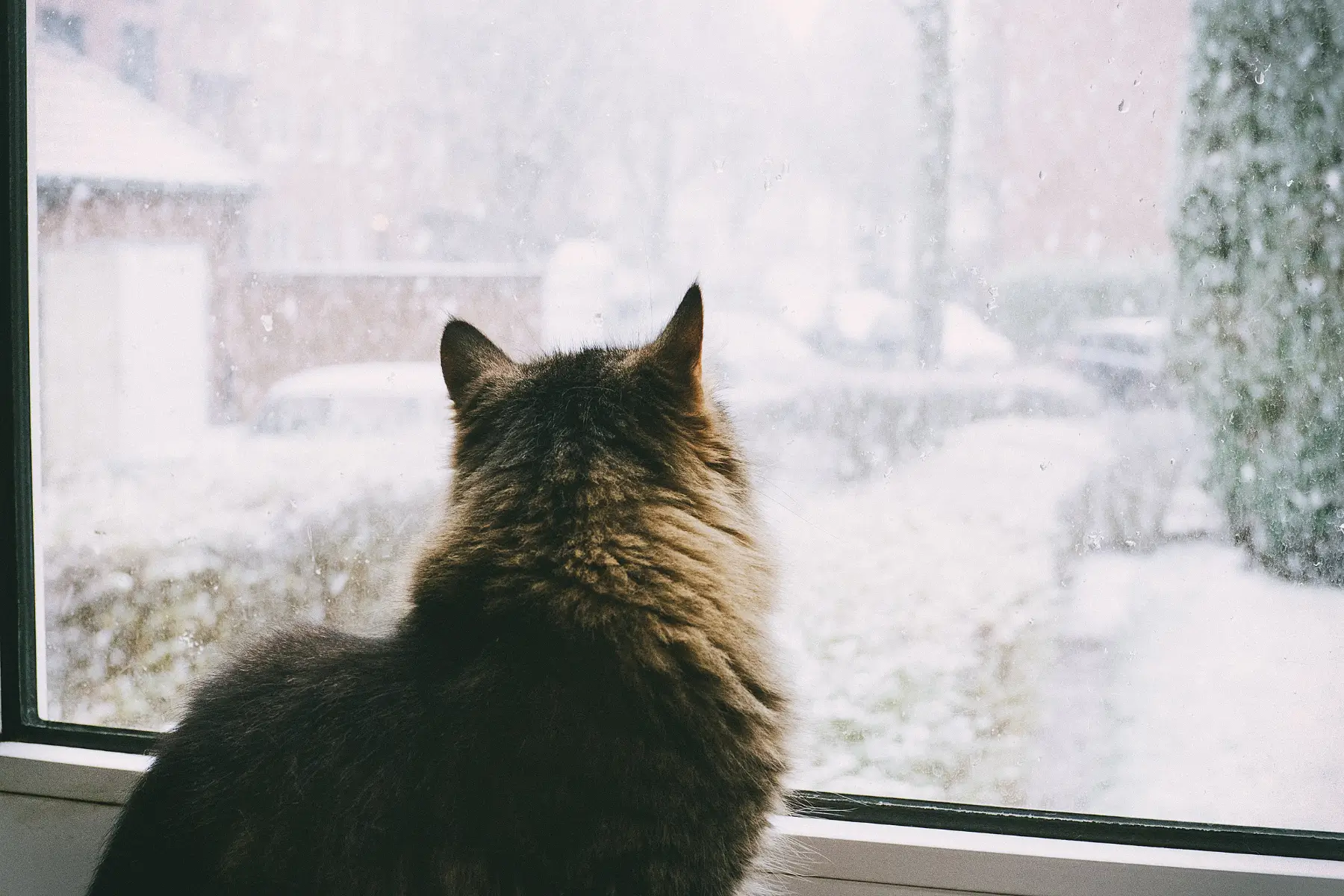
As December’s chill settles in and we are surrounded by holiday celebrations, you might notice something happening to your once-energetic pet: they’re spending more time curled up on the couch and less time burning calories outdoors (Maybe you’re guilty of the same thing). Sound familiar? You’re not alone. Winter weight gain is one of the most common challenges pet parents face, and with the holiday season in full swing, those extra treats and shortened walks can quickly add up on the scale.
The team at Doggie Dude Ranch and the O’Cat Corral has seen it happen year after year—spring arrives, and suddenly, pet owners realize their furry friends (and perhaps they themselves!) have packed on some serious pounds over the winter months. But here’s the good news: with some strategic planning and a few adjustments to your routine, you can help your pet (and yourself) maintain a healthy weight all winter long, even when the weather outside is frightful.
Why Winter Weight Gain Happens
Let’s be honest about what’s really happening during these cold, dark months. That daily 30-minute walk? It’s become a quick 10-minute potty break because nobody wants to freeze. The weekend hikes? Replaced with Netflix marathons. The backyard zoomies? Well, the backyard is covered in snow or frozen solid, and your pet isn’t any more enthusiastic about it than you are.
Meanwhile, the holiday season brings a parade of temptations. Christmas cookies left within reach. Hanukkah latkes that mysteriously “fall” on the floor. New Year’s party scraps. Relatives who don’t understand that Fluffy is on a diet. And let’s not forget that we’re all home more during the holidays, which means more opportunities for those pleading eyes to score extra treats throughout the day.
The combination is a perfect storm for pet weight gain. But this isn’t just about aesthetics; excess weight in pets leads to serious health consequences including diabetes, joint problems, heart disease, respiratory issues, and a shortened lifespan (yikes!). Even a few extra pounds on a dog or cat represents a significant percentage of their body weight and puts strain on their entire system.
The Math Behind the Problem
Here’s something that surprises many pet owners: it doesn’t take much to tip the scales in the wrong direction. A medium-sized dog who normally burns 800 calories per day on regular walks might only burn 500 calories with reduced winter activity. That 300-calorie deficit, if not adjusted for in their diet, translates to roughly a pound gained every 12 days. Over a three-month winter, that’s 7-8 pounds—equivalent to a 150-pound person gaining 35-40 pounds (Don’t tell me that happens to you over the holidays!)!
For cats, the situation is even more dramatic. Indoor cats already lead sedentary lifestyles, but winter makes them even less active. A cat who normally maintains their weight on 200 calories per day might only need 150 calories with decreased activity. Continue feeding the same amount, and weight creeps on surprisingly fast.
Strategy One: Adjust the Diet (But Do It Smart)
The most straightforward solution to decreased activity is adjusting calorie intake, but this requires more finesse than simply cutting food portions in half. Here’s how to do it right:
Calculate Your Pet’s Real Needs
Start by determining how many calories your pet actually needs. Your veterinarian can provide the most accurate assessment based on your pet’s ideal weight, age, and activity level. As a general rule, indoor or less active pets need about 20-30% fewer calories than their highly active counterparts.
Make Strategic Swaps
Rather than dramatically reducing meal portions (which leaves pets feeling hungry and begging), try these smart substitutions:
For Dogs:
- Replace 25% of kibble with plain, canned pumpkin or green beans to add volume without calories
- Use carrots, green beans, or apple slices (no seeds) as training treats instead of commercial treats
- Switch to a lower-calorie or weight management formula dog food
- Measure food precisely—eyeballing leads to overfeeding
For Cats:
- Gradually transition to a lower-calorie cat food formulated for weight management
- Use small portions of plain, cooked chicken breast as high-value treats
- Avoid free-feeding and establish set meal times to control portions
- Consider puzzle feeders that make cats work for their food, burning calories while eating
Watch the Treat Trap
Those holiday treats add up fast. A single small dog biscuit might contain 40 calories—that’s 10% of a small dog’s daily intake! Establish a household rule that treats should never exceed 10% of your pet’s daily caloric intake, and make sure everyone in the family (and visiting relatives) follows this rule.
Create a “treat jar” with pre-portioned daily treats so you can visually see when you’ve hit the limit. When guests want to spoil your pet, direct them to the approved treat jar rather than letting them raid the pantry or share human food.
Strategy Two: Get Creative with Indoor Exercise
Just because it’s cold outside doesn’t mean exercise has to stop; it just needs to look different. The key is finding activities that get your pet moving without requiring you to brave the elements.
Indoor Exercise Ideas for Dogs
Stair Climbing: If you have stairs, they’re your new best friend. Toss a ball or toy up the stairs and encourage your dog to retrieve it. This encouragement might include running up and down the stairs a few times with Fido to burn a few calories yourself. Just a few trips up and down provide serious cardio. Start slowly, especially with older dogs or breeds prone to joint issues.
Hallway Fetch: Long hallways make excellent fetch zones. Use soft toys to avoid damaging walls and neighbors’ patience.
Hide and Seek: Hide treats or toys around the house and encourage your dog to find them. This burns mental and physical energy.
Tug of War: A spirited game of tug (with appropriate breaks) provides excellent upper body exercise for dogs (and for you too!).
Indoor Agility Course: Use household items to create an obstacle course: weave through chair legs, jump over pillows, crawl under tables. If you’re really motivated, you can try doing the course with your dog. If you’re able to get down on all fours and find your inner child, that is!
Treadmill Training: If you have a treadmill, dogs can learn to walk on it with patient training. Start very slowly and always supervise. But never walk on the treadmill at the same time as your dog!
Indoor Exercise Ideas for Cats
Cats require special consideration since their natural exercise pattern involves short bursts of intense activity rather than sustained cardio.
Interactive Wand Toys: These mimic prey and trigger cats’ natural hunting instincts. Multiple short play sessions (5-10 minutes) throughout the day are ideal.
Laser Pointers: While controversial, laser pointers can provide great exercise when used correctly. Always end the session by directing the laser to a physical toy or treat so your cat experiences the satisfaction of “catching” something.
Vertical Space: Install cat trees, shelves, or window perches that encourage climbing and jumping.
Food Puzzles: Make cats work for their meals using puzzle feeders or by hiding small portions around the house.
Paper Bag Play: Simple paper bags (handles removed for safety) and cardboard boxes provide endless entertainment and encourage movement.
Catnip Toys: Fresh catnip toys can spark play sessions in cats who respond to catnip.
The Time Factor
Here’s the reality: consistently providing indoor exercise requires time and energy that busy pet parents don’t always have, especially during the hectic holiday season. Between work, holiday shopping, meal preparations, visiting relatives, and everything else on your plate, finding 30-60 minutes daily for active pet play can feel impossible.
This is where professional help makes all the difference.
The Solution: Let the Professionals Handle Exercise
At Doggie Dude Ranch and the O’Cat Corral, we’ve designed our daycare services specifically to solve the winter exercise problem. While you’re handling your busy schedule, your pet is getting the physical activity and mental stimulation they need to maintain a healthy weight, no matter what the weather is doing outside.
Dog Daycare and Boarding: Exercise Guaranteed
Our dog boarding and daycare services provide structured play sessions, socialization with other dogs, and supervised exercise throughout the day. Whether your dog needs to burn off energy during a regular workday or you’re traveling over the Christmas and New Year’s holidays, we ensure they get appropriate activity levels matched to their age, size, and energy level.
Benefits include:
- Consistent daily exercise regardless of weather (both indoor and outdoor play options are available)
- Socialization that provides mental stimulation (which burns calories too!)
- Professional supervision ensuring safe, appropriate activity
- Peace of mind knowing your dog isn’t home alone, gaining weight on the couch
- Tired, happy dogs who sleep well at night instead of demanding play time when you’re exhausted
Cat Boarding: Keeping Felines Fit
Many people don’t realize that cats benefit enormously from professional care during the winter months, too. Our cat boarding services provide enrichment activities, play sessions, and climbing opportunities that keep cats active and engaged.
Benefits include:
- Dedicated play sessions with interactive toys
- Vertical climbing structures that encourage natural movement
- Mental stimulation through environmental enrichment
- Consistent feeding schedules that prevent overeating
- Professional monitoring of activity levels and appetite
Holiday Travel Solution
With Christmas just days away and New Year’s approaching, many families are planning to travel. Rather than worrying about whether your pet-sitter is providing adequate exercise or coming home to a pudgier pet, our boarding services ensure your furry friend maintains their routine, gets proper exercise, and receives the care they need while you’re away celebrating with family.
Real Talk: Monitoring Progress
Once you’ve implemented diet adjustments and increased exercise (whether at home or through our daycare services), you need to monitor progress. Here’s how:
The Weekly Weigh-In
Weigh your pet weekly at the same time of day. For small dogs and cats, use a home scale: weigh yourself, then weigh yourself holding your pet and calculate the difference (this has the added benefit of being able to monitor your own weight as well!). For larger dogs, many veterinary clinics allow you to use their scales free of charge.
The Rib Test
You should be able to feel your pet’s ribs easily with light pressure but not see them prominently. If you can’t feel ribs without pressing hard, your pet is overweight. If ribs are highly visible, they’re underweight.
The Profile Check
Looking from above, dogs and cats should have a visible waist—an indentation behind the ribs before the hips. Looking from the side, the abdomen should tuck up from the chest.
Energy Levels
A pet at a healthy weight typically has more energy, better mobility, and improved overall demeanor. If your adjustments are working, you should notice increased playfulness and ease of movement.
When to Seek Professional Help
If despite your best efforts your pet continues gaining weight, or if they’re significantly overweight already, consult your veterinarian. Some medical conditions cause weight gain or make weight loss difficult, including hypothyroidism, Cushing’s disease, and certain medications.
Your vet can provide:
- Medical evaluation to rule out health issues
- Precise calorie calculations for your specific pet
- Prescription weight management foods if needed
- Safe weight loss timelines (rapid weight loss is dangerous, especially in cats)
- Joint supplements if arthritis is limiting movement
Takeaway: Winter Weight Gain Is Preventable
The winter months and holiday season don’t have to mean inevitable weight gain for your pets. With strategic diet adjustments, creative indoor exercise, and support from professionals like the team at Doggie Dude Ranch and the O’Cat Corral, your pet can emerge from winter just as fit and healthy as they were in the fall.
Remember that preventing weight gain is exponentially easier than losing weight once it’s packed on. Small, consistent efforts now save you and your pet from the difficult work of weight loss later, not to mention the health complications that come with obesity.
As we celebrate this holiday season and move into the new year, make your pet’s health and fitness a priority. Whether that means committing to daily indoor play sessions, adjusting their diet, or utilizing our daycare and boarding services to ensure consistent exercise, the investment you make now pays dividends in your pet’s longevity and quality of life.
Ready to Keep Your Pet Fit This Winter?
Don’t let winter weather derail your pet’s health. Contact Doggie Dude Ranch and the O’Cat Corral today to learn more about our daycare and boarding services. We’ll help your furry friend stay active, healthy, and happy all winter long, so when spring arrives, you’ll both be ready to hit the trails again without carrying any extra winter weight.
Check out our:
From all of us at Doggie Dude Ranch and the O’Cat Corral, we wish you and your pets a healthy, happy holiday season and a fit start to the new year! 🐾
Have questions about managing your pet’s weight this winter? Contact us today—we’re here to help your pet live their healthiest, happiest life!