Skip to content



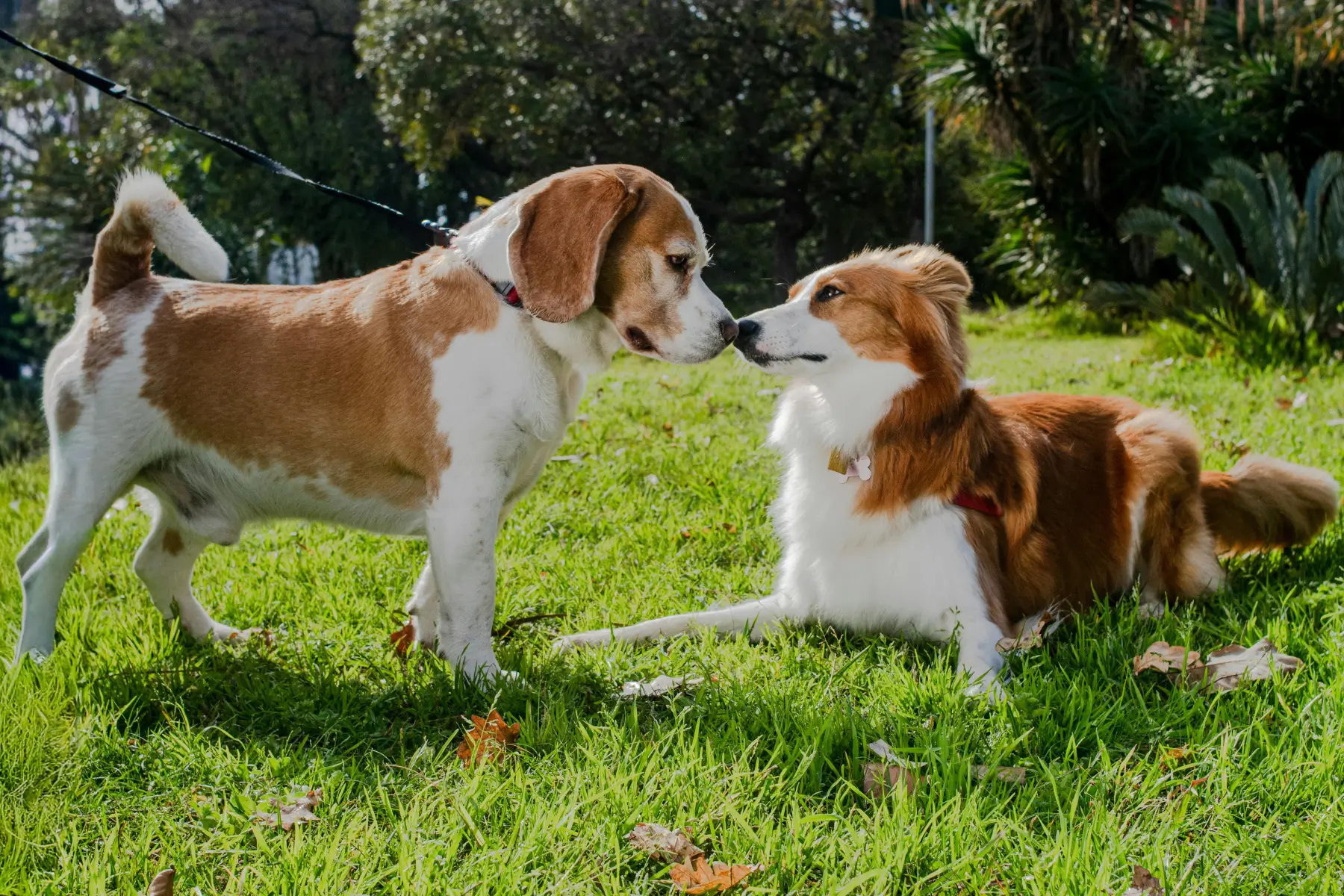
Quick Answer: Can You Socialize an Adult Dog?
Yes, you can socialize an adult dog, although it requires more patience and systematic training than socializing a puppy. Adult dog socialization focuses on building positive associations with new people, dogs, environments, and experiences through gradual exposure and reward-based training. While the critical socialization window closes around 16 weeks of age, adult dogs remain capable of learning to feel comfortable in new situations throughout their lives.
The key differences between puppy and adult dog socialization:
- Puppies: Naturally curious and adaptable during the critical socialization period (3-16 weeks)
- Adult dogs: May have established fears or negative associations requiring systematic desensitization
- Timeline: Adult socialization takes longer, often requiring months rather than weeks
- Approach: Must be more gradual and carefully managed to avoid overwhelming the dog
What is Adult Dog Socialization?
Adult dog socialization is the process of teaching a dog to feel comfortable, calm, and confident in various situations they may encounter in daily life. This includes:
Social Experiences:
- Meeting unfamiliar people (different ages, appearances, and behaviors)
- Interacting appropriately with other dogs
- Encountering other animals (cats, livestock, wildlife)
- Being around groups of people or dogs
Environmental Experiences:
- Different locations (parks, stores, veterinary clinics, grooming facilities)
- Various surfaces (grass, pavement, gravel, metal grates, stairs)
- Urban environments (traffic, sirens, construction noise)
- Weather conditions (rain, wind, snow)
Handling and Care:
- Veterinary examinations
- Grooming procedures (bathing, brushing, nail trims)
- Being touched by strangers
- Wearing collars, harnesses, or clothing
Why Do Adult Dogs Need Socialization?
Many adult dogs lack adequate socialization for several reasons:
Common Scenarios:
- Rescue or shelter dogs with unknown backgrounds or limited early socialization
- Pandemic puppies who missed critical socialization during lockdowns when normal activities were restricted
- Isolated dogs who spent their early lives in rural areas or homes without regular exposure to varied experiences
- Previously well-socialized dogs who developed fear or reactivity after traumatic experiences
- Senior dogs experiencing cognitive changes that make familiar situations suddenly stressful
Consequences of Poor Socialization:
- Fear-based aggression toward people or other dogs
- Extreme anxiety in public places
- Difficulty with routine veterinary care or grooming
- Inability to participate in normal activities like walks or visits to friends’ homes
- Reduced quality of life for both dog and owner
- Increased risk of being surrendered to shelters
At Doggie Dude Ranch and the O’Cat Corral, we regularly work with adult dogs who come to us with limited socialization. Through careful management and positive experiences, we’ve seen countless dogs transform from fearful or reactive to confident and comfortable.
Signs Your Adult Dog Needs Socialization
Behavioral Indicators:
Fear-Based Responses:
- Hiding, trembling, or trying to escape when encountering new people, dogs, or situations
- Excessive panting, drooling, or dilated pupils in new environments
- Refusal to walk or “freezing” in place when encountering something unfamiliar
- Tail tucking, ears pinned back, or body lowered close to the ground
Reactive Behaviors:
- Barking, lunging, or growling at other dogs on walks
- Defensive snapping or aggressive displays toward unfamiliar people
- Overreaction to normal environmental stimuli (trucks, bicycles, children)
- Inability to calm down after seeing triggers
Avoidance Behaviors:
- Refusing to enter certain buildings or environments
- Backing away from people who try to pet them
- Resistance to handling (grooming, nail trims, veterinary care)
- Limited comfort zone (only relaxed at home, stressed everywhere else)
Over-Excitement:
- Excessive jumping, barking, or pulling toward other dogs
- Inability to focus or follow commands around distractions
- Overstimulation in social situations leading to inappropriate play
Step-by-Step Guide to Socializing Your Adult Dog
Step 1: Assess Your Dog’s Current Comfort Level
Before beginning socialization, understand your dog’s specific fears, triggers, and baseline comfort level.
Assessment Questions:
- What specific situations cause fear or stress? (other dogs, strangers, loud noises, new places)
- At what distance can your dog observe triggers without reacting?
- Are there any situations where your dog feels completely comfortable?
- Has your dog ever shown aggression? If so, in what circumstances?
- Does your dog have any positive social experiences currently?
Professional Evaluation: For dogs with significant fear or aggression, consult a certified professional dog trainer (CPDT) or veterinary behaviorist before beginning socialization. Some behavioral issues require professional intervention to address safely.
Step 2: Create a Socialization Plan
Effective adult dog socialization requires a systematic, written plan that progresses gradually.
Plan Components:
Identify Goals:
- What specific situations do you want your dog to handle comfortably?
- Examples: Walking calmly past other dogs, accepting petting from strangers, visiting the veterinarian without extreme stress
Establish Baseline:
- Document your dog’s current threshold distances for various triggers
- Example: “My dog can see another dog 50 feet away without reacting”
Create Progressive Steps:
- Break each goal into small, achievable increments
- Example progression for dog reactivity:
- Step 1: View calm dog from 50 feet while receiving treats
- Step 2: View calm dog from 40 feet while receiving treats
- Step 3: View calm dog from 30 feet while receiving treats
- Continue gradual progression toward the final goal
Set Realistic Timeline:
- Adult socialization takes months, not weeks
- Plan for setbacks and plateaus
- Celebrate small victories rather than rushing toward the end goal
Step 3: Master Counter-Conditioning and Desensitization
These are the two primary techniques used in adult dog socialization.
Counter-Conditioning: Changing your dog’s emotional response to a trigger from negative (fear, anxiety) to positive (anticipation, happiness).
How It Works:
- Identify the trigger (example: other dogs)
- Present the trigger at a distance where your dog notices but doesn’t react (under threshold)
- Immediately provide something your dog loves (high-value treats, favorite toy, play)
- Remove or move away from the trigger
- Repeat many times until your dog begins to associate the trigger with good things
Example: Your dog fears strangers. A helper stands 20 feet away (far enough that your dog notices but doesn’t panic). The instant your dog sees the person, you deliver chicken treats continuously. When the person leaves or you move away, treats stop. Your dog learns: stranger appears = delicious chicken happens.
Desensitization: Gradually increasing exposure to a fear-inducing stimulus at levels that don’t trigger a fear response.
How It Works:
- Start with the trigger at the lowest possible intensity (far distance, quiet volume, brief duration)
- Keep exposure under threshold (your dog notices but remains calm)
- Very gradually increase intensity over many sessions
- If your dog shows fear at any level, reduce intensity and progress more slowly
Example: Your dog fears loud noises. Start by playing traffic sounds at barely audible volume for 30 seconds while your dog eats dinner. Over weeks, gradually increase volume by tiny increments, always keeping it quiet enough that your dog remains relaxed.
Critical Rules:
- Never push your dog over threshold (the point where they react with fear or aggression)
- Progress slowly—weeks or months for each increment is normal
- If your dog reacts, you’ve moved too fast; return to an easier level
- Always pair exposure with positive experiences (treats, play, calm praise)
Step 4: Socialize Your Dog with People
Progressive Human Socialization:
Level 1: Distance Exposure
- Have friends or family members stand 15-20 feet away while you feed your dog treats
- The person should ignore your dog (no eye contact, no talking, no approaching)
- Repeat with different people until your dog remains calm and potentially shows interest
Level 2: Closer Proximity
- Gradually decrease the distance over multiple sessions
- People still ignore your dog
- Continue treating your dog for calm behavior
Level 3: Passive Interaction
- Person sits quietly nearby (on a park bench, in your home)
- Person can toss treats toward your dog without directly interacting
- Dog can approach and retreat freely—never force interaction
Level 4: Active Interaction
- Person offers treats from an open hand (dog must approach to take them)
- Brief, gentle touch (one or two strokes, then stop)
- Gradually increase duration and type of handling
Tips for Success:
- Use a variety of people: different ages, genders, appearances, wearing hats or sunglasses
- Practice in various locations: your home, quiet parks, parking lots, outdoor cafes
- Never allow people to overwhelm your dog—you are your dog’s advocate
- Teach polite greeting behaviors: four paws on the floor, sitting for attention
Step 5: Socialize Your Dog with Other Dogs
Dog-to-dog socialization is often the most challenging aspect and requires extreme care.
Important Considerations:
- Not all adult dogs will enjoy playing with other dogs—and that’s okay
- The goal is calm coexistence, not necessarily friendship
- Some dogs prefer human companionship to dog companionship
- Forced interaction can create or worsen fear and aggression
Progressive Dog Socialization:
Level 1: Parallel Walking
- Find a calm, friendly dog and handler willing to help
- Walk parallel to each other with significant distance (50+ feet initially)
- Both dogs walk calmly on leash in the same direction
- Gradually decrease distance over many sessions
- Heavily reward your dog for calm behavior
Level 2: Stationary Visual Exposure
- Your dog observes other calm, leashed dogs from a comfortable distance
- Practice at parks, outside pet stores, or other locations with controlled dog presence
- Treat your dog continuously for looking at other dogs calmly
- If your dog reacts (lunges, barks, fixates), increase distance immediately
Level 3: Brief Proximity
- With a calm, well-socialized helper dog, practice walking past each other
- Keep interactions brief (2-3 seconds of proximity)
- Allow sniffing only if both dogs show calm, loose body language
- Interrupt and separate before either dog becomes aroused or tense
Level 4: Controlled Play (If Appropriate)
- Only progress to this level if your dog shows genuine interest in friendly play
- Use a professional facility or trainer-supervised playgroup
- Start with one calm, appropriately-matched playmate
- Keep sessions brief (5-10 minutes)
- Always supervise and interrupt overly rough play
Red Flags—Stop and Seek Professional Help:
- Growling, snapping, or biting
- Stiff body language, intense staring, or stalking behavior
- Extreme fear (trying to escape, complete shutdown)
- Mounting, humping, or bullying behavior
- Your dog or the other dog becomes increasingly stressed with each exposure
The Doggie Dude Ranch Advantage: At our facility, we specialize in carefully managed group play for dogs of all socialization levels. Our experienced staff assesses each dog individually and creates appropriate playgroups based on size, play style, and comfort level. For dogs new to socialization, we start with calm, one-on-one introductions before gradually introducing group play. This professional supervision provides socialization opportunities that are difficult to replicate in typical park or neighborhood settings.
Step 6: Environmental Socialization
Teaching your dog to feel comfortable in various environments expands their world and reduces stress.
Progressive Environment Exposure:
Quiet Environments First:
- Empty parking lots during off-hours
- Quiet residential streets
- Parks during weekday mornings
- Outdoor cafes during slow periods
Gradually Increase Complexity:
- Busier times at familiar locations
- Pet-friendly stores (many hardware and outdoor stores welcome leashed dogs)
- Outdoor events with moderate crowds
- Veterinary clinic visits for “happy visits” (just treats and leaving, no procedures)
Novel Surfaces and Obstacles:
- Practice walking on different surfaces: metal grates, bridges, stairs, gravel
- Introduce novel objects: traffic cones, umbrellas, shopping carts
- Expose to different weather: light rain, wind, snow (gradually)
Urban Environments:
- Traffic noise, sirens, construction sounds
- Crowds and congestion
- Elevators, automatic doors, narrow sidewalks
Technique:
- Start at low intensity (far from the stimulus, quieter times)
- Bring high-value treats and reward calm behavior continuously
- Keep sessions short (10-15 minutes) to prevent overwhelming your dog
- End on a positive note before your dog becomes stressed
Step 7: Handling and Touch Desensitization
Dogs need to tolerate handling for grooming, veterinary care, and general safety.
Body Handling Protocol:
Start with Minimal Touch:
- Briefly touch areas your dog already tolerates (usually shoulders or chest)
- Immediately reward with treats
- Keep sessions very short (10-15 touches total)
Gradually Expand:
- Slowly work toward more sensitive areas: paws, ears, tail, belly, mouth
- Touch for only 1-2 seconds initially, then reward
- Gradually increase duration as your dog becomes comfortable
Add Handling Tools:
- Introduce brushes, nail clippers, cotton swabs (just showing them, not using yet)
- Touch your dog with the tool, then treat
- Eventually progress to brief use (one brush stroke, one nail touch) paired with treats
Practice Restraint:
- Gently hold your dog’s collar for 2 seconds, then release and treat
- Practice lifting paws briefly, then release and treat
- Simulate veterinary positions (standing on a table, gentle restraint) with immediate rewards
Professional Grooming Preparation: If your dog will need professional grooming, visit the facility multiple times for “happy visits” before scheduling actual grooming. Let your dog explore, meet staff, and receive treats without any grooming procedures.
Step 8: Use Professional Socialization Resources
Structured Group Classes:
- Reactive dog classes specifically designed for dogs with socialization challenges
- Basic obedience classes (if your dog can handle the environment)
- Nosework or other enrichment classes that build confidence
Professional Daycare: Quality daycare facilities like Doggie Dude Ranch provide controlled, supervised socialization that’s difficult to achieve on your own. Benefits include:
- Professional staff trained in dog body language and behavior
- Carefully matched playgroups based on size, energy, and temperament
- Gradual introduction protocols for new or nervous dogs
- Immediate intervention if interactions become inappropriate
- Consistent positive experiences that build confidence
Private Training: For dogs with significant fear or aggression, working with a certified professional dog trainer (CPDT-KA) or veterinary behaviorist provides personalized guidance and ensures safety.
Trainer Qualifications to Look For:
- Certification from recognized organizations (CPDT-KA, CBCC-KA, IAABC)
- Use of positive reinforcement methods (not punishment-based training)
- Experience specifically with adult dog socialization and behavior modification
- Willingness to work at your dog’s pace without forcing interactions
Common Mistakes to Avoid
Flooding: Exposing your dog to overwhelming levels of a trigger, hoping they’ll “get over it.” This typically worsens fear and can create trauma. Example: Taking a dog-reactive dog to a busy dog park hoping they’ll adjust. Never use flooding techniques.
Moving Too Fast: Rushing through steps because your dog “seems fine.” Progress slowly and build a strong foundation at each level before advancing.
Forcing Interaction: Making your dog approach something they fear or allowing strangers to pet your fearful dog. Always let your dog choose to approach, and respect their decision to retreat.
Inconsistent Practice: Socializing sporadically rather than consistently. Regular, frequent exposure (even just a few minutes daily) is more effective than occasional long sessions.
Punishing Fear: Correcting or punishing fearful behaviors (growling, barking, hiding). These are communication—punishing them doesn’t reduce fear, it only suppresses warning signals, making the dog more likely to bite without warning.
Ignoring Stress Signals: Missing subtle signs that your dog is uncomfortable: whale eye (showing whites of eyes), lip licking, yawning, turning away, stiff body. Always respond to stress signals by reducing intensity immediately.
Comparing to Other Dogs: Every dog progresses at their own pace. Your neighbor’s dog might love the dog park after two visits; yours might need six months of preparation. That’s normal and okay.
Understanding Your Dog’s Limits
Accept That Some Dogs Have Preferences:
- Not every dog will enjoy dog parks or group play
- Some dogs prefer human companionship exclusively
- Older dogs often have lower tolerance for puppy energy
- Breed tendencies influence social preferences (some breeds are naturally more aloof)
The Goal is Comfort, Not Perfection: Your dog doesn’t need to love every situation—they just need to handle necessary situations (vet visits, grooming, walks) without extreme stress. It’s perfectly acceptable if your dog:
- Prefers walks to dog parks
- Enjoys a small circle of dog friends rather than meeting every dog
- Tolerates strangers without seeking their attention
- Lives happily without regular off-leash play
Quality of Life Matters Most: A dog who’s comfortable in their daily routine, can handle necessary care, and enjoys their life with you is successfully socialized—even if they’ll never be the social butterfly at the dog park.
Timeline and Expectations
Realistic Timeline for Adult Dog Socialization:
Weeks 1-4:
- Assessment and foundation building
- Very gradual exposure to triggers at high distance/low intensity
- Establishing treat value and communication with your dog
- Minimal visible progress (this is normal—you’re building foundation)
Months 2-3:
- Gradually decreasing distance to triggers
- Introducing more variety in environments and experiences
- May see first signs of improvement: shorter recovery time from stress, increased curiosity
- Continue slow, steady progress
Months 4-6:
- More confident behavior in previously stressful situations
- Ability to handle closer proximity to triggers
- Beginning of generalization (comfort transferring to new situations)
- Possible plateaus or minor setbacks (expected and normal)
Months 6-12:
- Significant improvement in target behaviors
- Increased confidence and resilience
- Ability to recover quickly from unexpected stressors
- Establishment of new, positive patterns
Ongoing:
- Adult dog socialization is often a lifelong process
- Maintenance practice prevents regression
- Continued exposure to novel experiences keeps skills sharp
- Some dogs will always need management in certain situations
When to Seek Professional Help
Situations Requiring Professional Intervention:
- Aggression toward people or dogs (biting, serious attempts to bite)
- Extreme fear causing complete shutdown or inability to function
- Panic reactions that don’t improve with gradual exposure
- Resource guarding (food, toys, locations) with aggressive displays
- Predatory behavior toward small animals or children
- Your dog’s behavior is worsening despite consistent training efforts
- You feel unsafe or unable to control your dog in public
Types of Professionals:
- Certified Professional Dog Trainer (CPDT-KA): For general behavior modification and training
- Certified Behavior Consultant Canine (CBCC-KA): Specialized in complex behavior cases
- Veterinary Behaviorist (DACVB): Veterinarians with specialized behavior training; can prescribe behavior medication if needed
- Certified Applied Animal Behaviorist (CAAB): Advanced degree in animal behavior
Red Flags in Trainers: Avoid trainers who:
- Guarantee quick fixes or specific timelines
- Use punishment-based methods (shock collars, prong collars, alpha rolls)
- Recommend “flooding” or forcing your dog into feared situations
- Discourage you from seeking second opinions
- Make you uncomfortable with their methods
The Role of Boarding and Daycare
At Doggie Dude Ranch and the O’Cat Corral, we understand that professional care facilities play a unique role in adult dog socialization.
Benefits of Professional Daycare:
- Controlled environment with trained staff supervision
- Carefully matched playgroups prevent negative experiences
- Gradual introduction protocols for new or nervous dogs
- Consistent positive experiences build confidence over time
- Socialization opportunities difficult to replicate independently
What to Look for in a Daycare Facility:
- Small, carefully managed playgroups (not 30+ dogs in one area)
- Staff trained in canine body language and behavior
- Willingness to accommodate dogs with socialization challenges
- Individualized introduction and assessment processes
- Clear communication about your dog’s experiences and progress
- Ability to modify play arrangements based on your dog’s comfort level
Our Approach: We work with dogs at all socialization levels, from completely comfortable to those taking their first steps toward group play. Our experienced staff recognizes stress signals, manages interactions carefully, and ensures every dog has positive experiences that build confidence rather than create fear.
Measuring Progress
Signs Your Socialization Efforts Are Working:
- Decreased intensity of fear responses (mild tension instead of panic)
- Faster recovery time after stressful encounters
- Increased curiosity about previously feared stimuli
- More relaxed body language in challenging situations
- Ability to focus on you even with distractions present
- Voluntary approach toward previously avoided situations
- More “good days” than “bad days”
Tracking Progress:
- Keep a written journal of socialization sessions
- Note trigger distances, your dog’s reactions, and duration of calm behavior
- Record environmental factors (time of day, location, distractions present)
- Celebrate incremental improvements, even tiny ones
- Use video to compare behavior over weeks and months
Success Stories and Realistic Outcomes
At Doggie Dude Ranch, we’ve witnessed countless adult dog transformations:
- The rescue dog who cowered from all humans now happily greets staff members
- The dog-reactive pittie who couldn’t walk past another dog now enjoys supervised playgroups
- The senior dog who’d never been to daycare successfully joining gentle play sessions after slow introduction
- The pandemic puppy who feared strangers now accepts petting from new people
Important Perspective: These transformations took months of consistent work. They involved setbacks, plateaus, and moments of doubt. But the outcomes—dogs living fuller, less stressful lives—make the investment worthwhile.
The Journey is Worth It
Socializing an adult dog requires patience, consistency, and realistic expectations. Unlike puppy socialization, which feels effortless during the critical period, adult socialization is deliberate work. Progress is measured in weeks and months rather than days.
But the rewards are profound: a dog who can accompany you to more places, handle necessary care without extreme stress, and live with less fear and anxiety. Whether your goal is simply tolerating vet visits or enjoying group play at daycare, the systematic approach outlined in this guide can help you get there.
At Doggie Dude Ranch and the O’Cat Corral, we’re honored to be part of many dogs’ socialization journeys. We see the nervous dog arrive for their first day and, months later, watch them confidently trot through our doors ready to play. These transformations remind us why careful, compassionate socialization matters.
Your adult dog can learn to feel more comfortable in the world. It will take time, patience, and systematic training—but they’re worth it.
Questions about adult dog socialization or interested in how professional daycare can support your dog’s social development? Contact Doggie Dude Ranch and the O’Cat Corral. We’re here to help dogs of all ages and backgrounds gain confidence and enjoy richer, fuller lives.
Frequently Asked Questions
How long does it take to socialize an adult dog? Adult dog socialization typically takes 6-12 months of consistent training for noticeable improvement, though some dogs require longer. The timeline varies based on the dog’s age, background, severity of fear or reactivity, and consistency of training. Dogs with mild socialization gaps may show progress in weeks, while dogs with severe fear or trauma may need a year or more.
Can you socialize an older dog? Yes, older dogs can be socialized using the same gradual desensitization and counter-conditioning techniques used with younger adults. Senior dogs may take longer to adjust due to cognitive changes or medical conditions, but they remain capable of learning and forming new positive associations throughout their lives.
What’s the difference between socializing puppies and adult dogs? Puppies have a critical socialization period (3-16 weeks) when they’re naturally curious and adaptable. Adult dogs have passed this window and may have established fears or negative associations requiring systematic behavior modification. Adult socialization requires more time, patience, and careful management to avoid overwhelming the dog.
Is it ever too late to socialize a dog? It’s never too late to improve a dog’s comfort level and social skills, though dogs who missed early socialization will likely always require more management than well-socialized dogs. The goal is improvement and increased quality of life, not necessarily achieving perfect social behavior.
Can all adult dogs learn to enjoy dog parks? No, not all dogs will ever enjoy or be appropriate for dog parks. Some dogs prefer human companionship, have low tolerance for other dogs’ energy, or have reactivity that makes dog parks unsafe. The goal should be comfortable coexistence with other dogs, not necessarily friendship or group play.