Skip to content


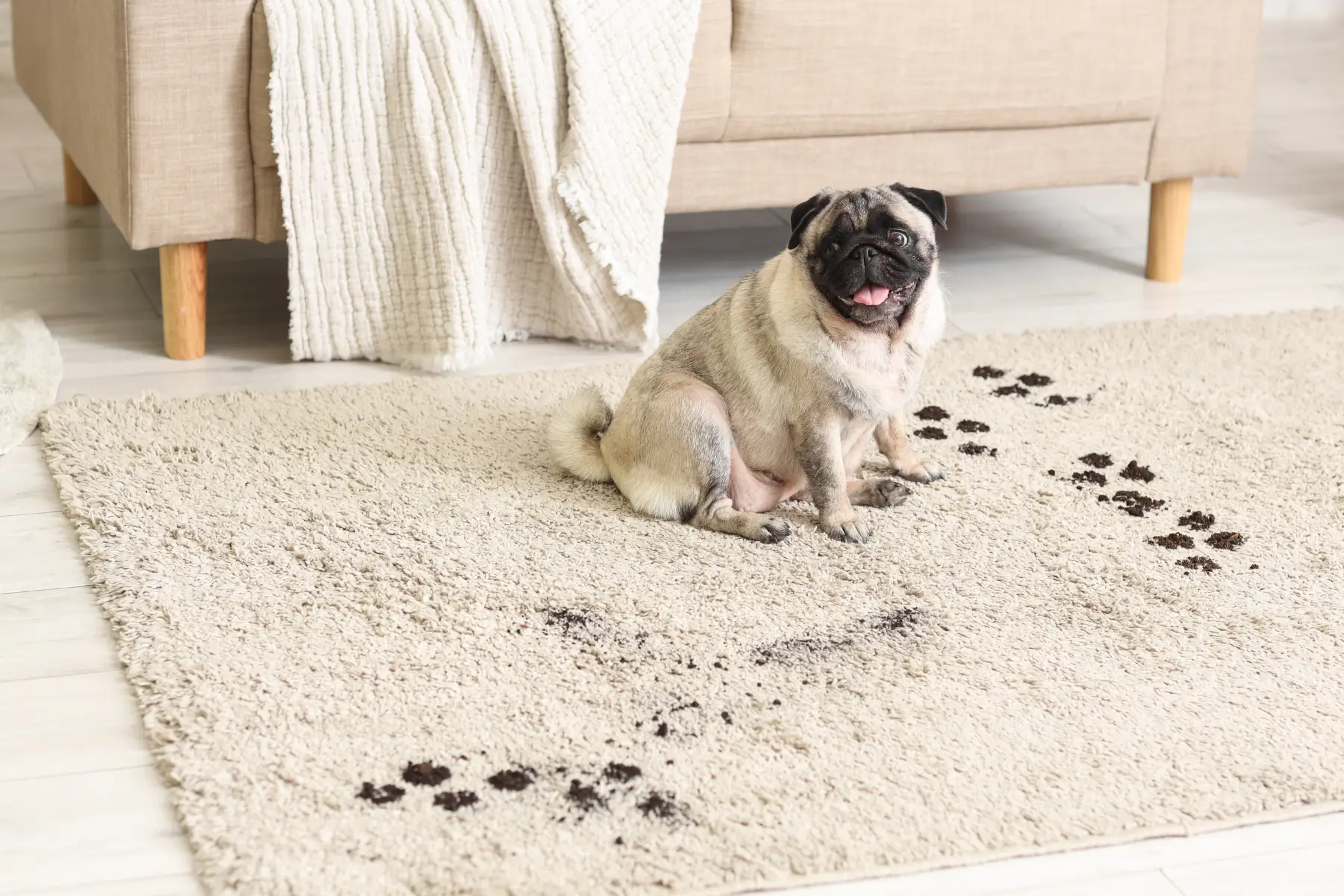
February in Colorado can be deceptively dry, but any experienced Denver pet parent knows what’s coming. When the snow finally arrives, and temperatures begin their inevitable spring fluctuation, we enter what we affectionately call “mud season”—that delightful time when frozen ground transforms into a slippery, dirty mess that seems magnetically attracted to paws, bellies, and everything your dog brushes against.
While we’re currently enjoying relatively dry conditions this February, it’s the perfect time to prepare for the muddy reality that awaits us. Whether it’s melting snow, spring rain showers, or the combination of ice melt chemicals and moisture, Colorado’s transitional seasons create paw care challenges that every dog and cat owner should be ready to handle.
And speaking of preparation, if you’re planning spring break travel in March or April, now is the time to secure your pet’s boarding reservation at Doggie Dude Ranch and the O’Cat Corral. These are historically our busiest months, and we’d hate to turn away long-time clients because we’re at capacity. Let’s talk about both muddy paw management and getting your spring break plans locked in!
Understanding the Mud Season Challenge
Colorado’s climate creates a unique set of conditions that make mud management particularly important for pet owners. Unlike regions with gradual seasonal transitions, we experience dramatic temperature swings: a sunny 60-degree afternoon followed by a freezing overnight, then back to warmth the next day. This freeze-thaw cycle is perfect for creating mud.
When snow melts or rain falls on semi-frozen ground, the water has nowhere to go. It pools on the surface, mixing with dirt, dead grass, leaves, and whatever else has been hiding under the snow all winter. Add in the ice-melt chemicals, road salt, and de-icing compounds that accumulate along sidewalks and streets, and you have a cocktail of substances that’s not just messy—it’s potentially harmful to your pet’s paws.
For dogs who love outdoor adventures, mud is inevitable. They don’t tiptoe around puddles or carefully avoid the wettest patches of the yard. They splash, dig, roll, and come back inside looking like they’ve completed an obstacle course designed specifically to maximize dirt coverage.
Even cats aren’t immune. While our feline friends at the O’Cat Corral enjoy exclusively indoor accommodations during their boarding stays, adventurous “catio” cats or those who venture outdoors at home can track in moisture and chemicals on their paw pads.
Why Muddy Paws Are More Than Just a Mess
Before we look at solutions, it’s important to understand why mud management matters beyond keeping your floors clean.
Chemical Irritation
The ice-melt products and road salt used throughout winter don’t disappear when spring arrives. They linger in the soil and get reactivated by moisture. When these chemicals get trapped between your pet’s paw pads, they can cause significant irritation, leading to redness, cracking, and painful “hot spots.” Dogs and cats who lick their paws to clean them ingest these chemicals, which can cause digestive upset.
Bacterial and Fungal Growth
Constant moisture trapped between paw pads creates the perfect environment for bacteria and yeast to thrive. This can lead to infections that cause itching, odor, and discomfort. The space between toes is warm, dark, and (when wet) an ideal breeding ground for problems.
Cracked Paw Pads
The combination of cold temperatures, chemical exposure, and moisture can dry out and crack paw pads. These cracks are painful and create entry points for infection. Just like chapped hands in winter, paw pads need protection and care during harsh weather conditions.
Matted Fur
For long-haired breeds, mud doesn’t just coat the paws; it clings to the fur between pads and up the legs. As this mud dries, it creates hard, uncomfortable mats that pull on the skin and can hide developing sores or infections underneath.
At-Home Mud Management: Setting Up for Success
The key to managing muddy paws at home is preparation. Having the right setup and supplies ready before mud season hits makes the process much easier and prevents the frustration of scrambling for towels while your dog tracks dirt through the house.
Create a Doorway Station
Designate an entry point as your official “mud management zone” and stock it with everything you need:
Microfiber Towels
Keep a dedicated basket of microfiber towels near the door. Microfiber is particularly effective because it absorbs more water than regular cotton towels and dries faster between uses. Have at least 3-4 towels in rotation so you always have clean, dry options available. Dark colors hide stains better and won’t show dirt as quickly as white towels.
Paw Wipes or Grooming Wipes
Pet-safe grooming wipes are convenient for quick cleanups when your dog isn’t completely muddy but needs a touch-up. These are particularly useful for wiping down bellies and legs that brushed against wet grass or dirty snow.
Shallow Container for Paw Rinsing
A small plastic bin or shallow storage container filled with a few inches of lukewarm water becomes your paw-washing station. For particularly muddy adventures, a quick rinse is more effective than trying to wipe away stubborn mud with towels alone. The water helps loosen and remove grit that’s worked its way between paw pads.
Old Towel or Mat
Place an absorbent mat or old towel on the floor at your entry point. This creates a designated standing area where your dog can wait while you clean their paws, protecting your floors from drips.
The Paw-Cleaning Process
Establish a consistent routine that your dog learns to expect:
Step 1: Wait at the Door
Train your dog to pause at the entrance and wait for paw cleaning before proceeding inside. This takes practice but becomes habit with consistency. A simple “wait” command works well.
Step 2: Quick Visual Inspection
Before you start wiping, take a moment to check for any visible injuries, embedded debris, or signs of irritation. Catching small cuts or thorns early prevents bigger problems.
Step 3: Rinse if Necessary
For heavily muddy paws, guide each paw into your shallow water container for a gentle rinse. Swirl the paw gently to loosen mud, then lift it out and move to towel drying. Change the water between dogs or when it becomes too dirty.
Step 4: Thorough Drying
Use your microfiber towel to dry each paw completely, paying special attention to the space between toes where moisture tends to hide. Gently spread the toes apart to ensure you’ve dried the webbing and inner paw areas.
Step 5: Check Other Areas
Don’t forget to wipe down your dog’s belly, chest, and legs if they’re wet or muddy. These areas often get overlooked but can track just as much dirt onto furniture and bedding.
Special Considerations for Long-Haired Breeds
Dogs with feathered legs or long fur between their paw pads face additional challenges during mud season. Mud clings to their fur and dries into uncomfortable mats that pull on the skin.
Consider these additional steps:
- Trimming: Keep the fur between paw pads trimmed short during mud season. Your groomer can do this, or you can carefully use rounded-tip scissors at home. This prevents mud from clumping and makes paw cleaning much easier.
- Extra Drying Time: Long-haired breeds need more thorough drying. Consider using a pet-safe blow dryer on a low, cool setting to ensure their leg fur is completely dry, not just surface-dry.
- Detangling Spray: A leave-in conditioner or detangling spray can help prevent mud from matting into the fur and makes brushing out any dried dirt easier.
Protective Measures
Prevention is easier than cleanup. Consider these proactive strategies:
Dog Booties
While not every dog tolerates them, booties provide excellent protection from mud, chemicals, and cold ground. They keep paws clean and dry, significantly reducing post-walk cleanup time. Start with short wearing periods to help your dog adjust.
Paw Balm
Apply a protective paw balm before walks to create a barrier against moisture and chemicals. These balms also help prevent the cracking and drying that cold, wet conditions can cause. Look for natural ingredients like beeswax, shea butter, and vitamin E.
Strategic Walking Routes
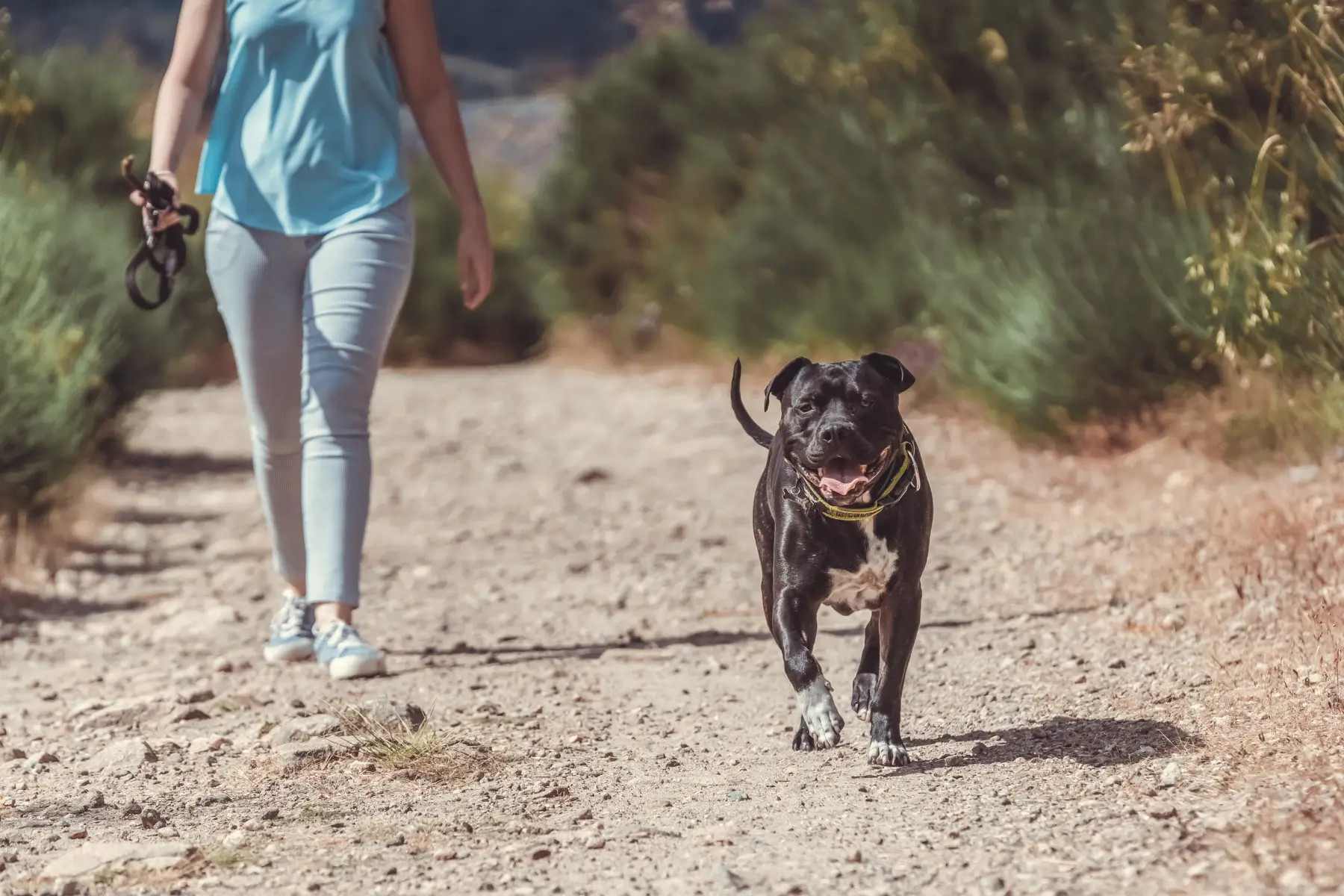
During peak mud season, choose walking routes that minimize exposure to the messiest areas. Paved paths, sidewalks, and well-maintained trails are less muddy than open fields or dirt paths.
Don’t Forget the Felines
While most cats prefer to keep their paws pristine and dry, adventure cats, catio enthusiasts, and indoor-outdoor felines face the same mud and moisture challenges as dogs.
If you have a cat who ventures outdoors:
- Paw Checks: After outdoor time, check your cat’s paws for moisture, mud, or chemical residue. Cats are meticulous groomers, but they shouldn’t be ingesting road salt or ice melt from licking their paws.
- Damp Cloth Wipe: A warm, damp cloth is usually sufficient for cleaning cat paws. Most cats tolerate this better than the more involved washing required for muddy dogs.
- Indoor Safety: Keep litter boxes clean and dry during mud season. Cats tracking moisture into litter boxes can create clumping issues and messier conditions.
At the O’Cat Corral, we eliminate these concerns entirely during boarding stays. Our feline guests enjoy climate-controlled indoor suites where they’re protected from all weather-related issues, keeping their paws perfectly clean and comfortable throughout their visit.
The Doggie Dude Ranch Approach to Muddy Play Days
At Doggie Dude Ranch, we embrace the reality that dogs need outdoor time regardless of weather conditions. Our play yards offer the space and stimulation that keeps dogs happy and healthy, even when Colorado’s climate makes things messy.
During winter and early spring, when snow covers the ground or melting creates muddy conditions, we have specific protocols to ensure every dog stays comfortable and clean. After outdoor playtime in snowy conditions, every dog receives a thorough towel-drying to remove surface moisture and snow. For our long-haired guests, we go a step further with blow-drying to ensure their thick coats are completely dry before they settle in for rest time.
This isn’t just about cleanliness—it’s about health and comfort. A damp dog is a cold dog, and prolonged dampness can lead to skin issues. By taking the time to properly dry each guest after outdoor play, we prevent the problems that muddy, wet conditions can create.
Our O’Cat Corral guests, of course, enjoy exclusively indoor accommodations. Cats stay warm, dry, and mud-free throughout their entire stay, with climate-controlled comfort and no exposure to the messy outdoor elements that their canine counterparts love to romp through.
Spring Break Countdown: Time to Book!
Now that we’ve covered mud management, let’s talk about the other important spring preparation: securing your pet’s boarding reservation for spring break travel.
March and April are historically the busiest months at Doggie Dude Ranch and the O’Cat Corral. Families across Denver are planning spring break vacations, college students are heading home or traveling, and everyone seems to need pet care at the same time. These peak periods fill up fast, and we operate on a first-come, first-served basis.
We hate turning away our long-time clients because we’ve reached capacity, but it happens every spring when families wait too long to book. The solution? Reserve your pet’s spot now, even if your exact travel dates aren’t completely finalized. We understand that plans sometimes change, and we work with clients on modifications when possible.
Why Book Early?
Guaranteed Availability
The most obvious reason is securing a spot before we’re fully booked. Once we reach capacity, we can’t accept additional pets, no matter how long you’ve been a client or how much we’d like to help.
Peace of Mind
Travel planning is stressful enough without worrying about last-minute pet care arrangements. Booking early means one less thing on your to-do list and one less worry as your departure date approaches.
Preferred Accommodations
Early booking often means more flexibility in choosing your pet’s specific suite or requesting particular amenities. While we always provide excellent care regardless of booking timing, early reservations sometimes allow for special requests.
Time for Preparation
Booking in advance gives you time to ensure your pet’s vaccinations are current, communicate any special needs or instructions, and prepare your pet for their stay without rushing.
What to Do Now
If you’re planning any March or April travel (spring break, Easter weekend, or even just a long weekend getaway), contact us today to check availability and secure your reservation:
- Call us to discuss your dates and your pet’s specific needs
- Book online through our reservation system
- Ask about availability for your preferred dates, even if plans aren’t 100% confirmed yet
Remember, we require current vaccination records for all boarding guests, so confirm your pet’s vaccines are up to date. If any boosters are due, schedule those veterinary appointments now to avoid last-minute scrambling.
Bringing It All Together
As we move from late February into March, Colorado pet parents face two realities: the eventual arrival of mud season and the rapidly approaching spring break travel period. Being prepared for both ensures a smoother, less stressful experience.
Set up your doorway mud station now, stock up on towels and paw care supplies, and establish your paw-cleaning routine before the messy weather hits. Your future self will thank you when you’re not frantically searching for towels while your muddy dog drips onto your carpet.
And don’t wait another day to secure your spring break boarding reservation. The families who book early sleep better knowing their pet’s care is handled, their travel plans are solid, and they won’t face the disappointment of discovering their preferred boarding facility is fully booked.
At Doggie Dude Ranch and the O’Cat Corral, we’re ready for whatever Colorado’s spring weather brings—muddy paws, snowy play sessions, and fully booked boarding calendars. We’ll keep your dogs properly dried after outdoor play, your cats comfortable in climate-controlled indoor suites, and your peace of mind intact knowing your furry family members are safe, happy, and well-cared-for while you’re away.
Ready to book your spring break boarding? Contact us today or reserve your spot online before availability disappears. And while you’re at it, grab those microfiber towels—mud season is coming, whether we’re ready or not!
Have questions about our boarding services, mud management, or spring break availability? We’re here to help! Reach out anytime, and let’s make sure your pets are set up for a safe, comfortable spring season.