Skip to content


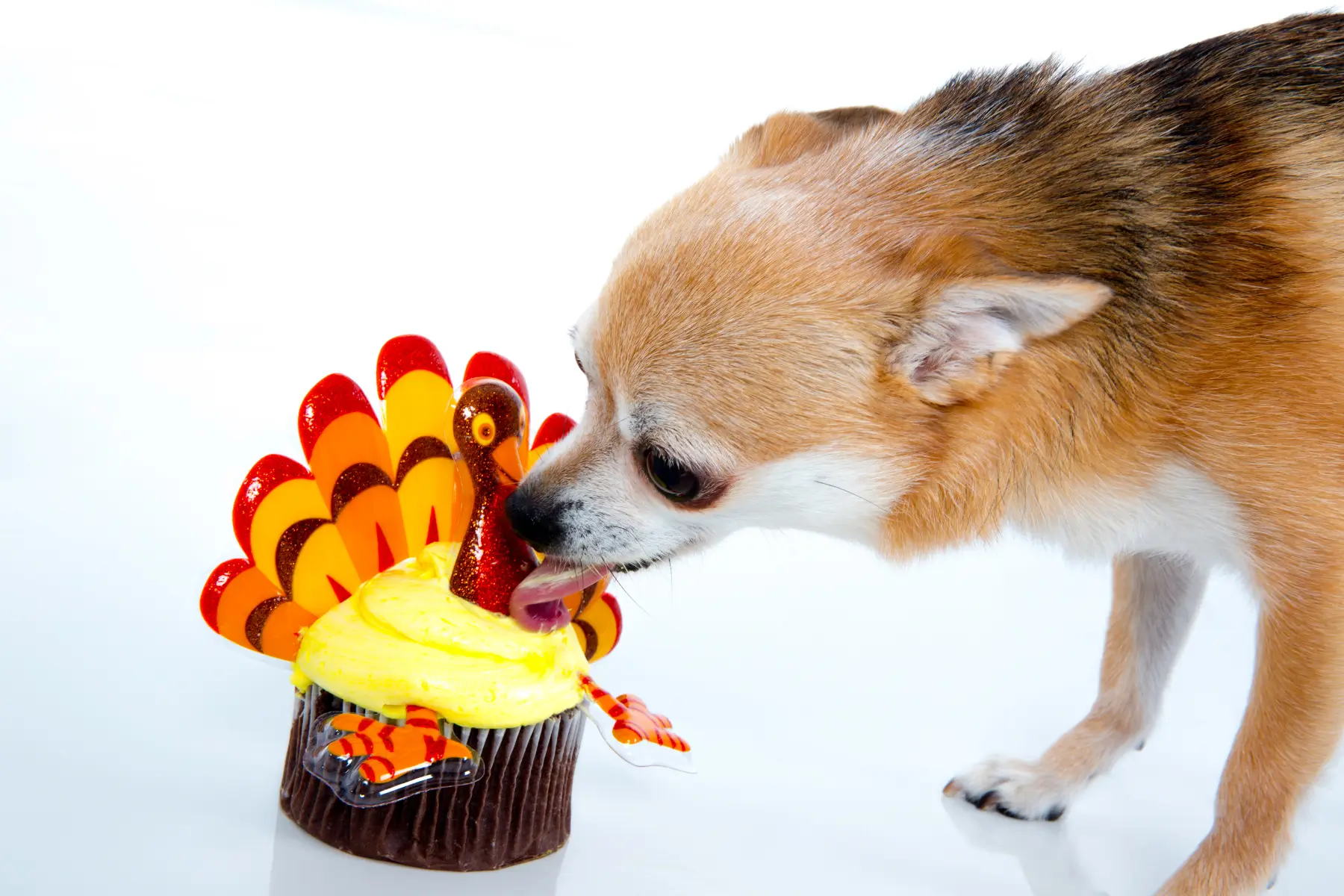
Thanksgiving is just two days away, and the delicious aromas of roasting turkey, fresh-baked pies, and savory side dishes are about to fill homes across the country. As your family gathers around the table to give thanks, those pleading puppy eyes and persistent meows will likely be working overtime, hoping for a taste of the holiday feast. But before you slip Fido a piece of turkey skin or let Fluffy lick the mashed potato bowl, the pet safety experts at Doggie Dude Ranch and the O’Cat Corral want you to understand something crucial: Thanksgiving dinner can be seriously dangerous for your four-legged family members.
This comprehensive Thanksgiving pet safety guide will help you navigate the holiday hazards and ensure that everyone in your household (furry members included) stays healthy and happy throughout the celebration.
Why Turkey Skin Is a No-Go for Your Pet
Let’s start with the most tempting handout: that crispy, golden turkey skin. It looks delicious, your dog is staring at you with those soulful eyes, and surely just one little piece won’t hurt, right? Wrong.
Turkey skin is extremely high in fat, and while it might be the best part of the bird for humans, it’s a recipe for disaster for dogs and cats. When pets consume high-fat foods, they risk developing pancreatitis—a painful and potentially life-threatening inflammation of the pancreas. Pancreatitis symptoms include vomiting, diarrhea, loss of appetite, abdominal pain, lethargy, and fever. In severe cases, it requires hospitalization and intensive veterinary care.
Even if your pet doesn’t develop pancreatitis immediately, that fatty turkey skin can cause gastrointestinal upset that will have both of you missing out on the long weekend festivities. Trust us at Doggie Dude Ranch and the O’Cat Corral—we’ve seen too many post-Thanksgiving emergency vet visits that could have been prevented by keeping those scraps in the trash where they belong.
The seasonings and butter typically added to turkey skin also pose problems. Garlic and onion powder (more on these toxic holiday foods in a moment) are common turkey seasonings that are highly toxic to both dogs and cats. That innocent-looking piece of skin could be delivering a dangerous dose of toxins to your beloved pet.
The Hidden Dangers: Toxic Holiday Foods Lurking on Your Table
Thanksgiving tables are loaded with dog food hazards and cat safety concerns that many pet owners don’t realize are dangerous. Let’s break down the toxic holiday foods that should never make their way into your pet’s bowl.
Onions, Garlic, Leeks, and Chives
These allium family vegetables are among the most dangerous foods for pets. Whether raw, cooked, powdered, or dehydrated, they contain compounds that damage red blood cells, leading to anemia. Even small amounts can be harmful, and the effects can be cumulative, meaning repeated small exposures over several days (like throughout a long Thanksgiving weekend) can cause serious problems.
Check your recipes carefully: onions and garlic hide in stuffing, gravy, green bean casserole, mashed potatoes, and countless other Thanksgiving dishes. Your homemade herb butter? Probably contains chives. That French onion dip for the veggie platter? Obviously a no-go. When it comes to Thanksgiving pet safety, the allium family is public enemy number one.
Grapes and Raisins: Tiny but Deadly
That beautiful fruit and cheese platter might seem harmless, but grapes and raisins cause acute kidney failure in dogs. Even more concerning, there’s no known safe amount; some dogs can eat them without issue while others become critically ill from just a few. Since we can’t predict which dogs are sensitive, the safest approach is complete avoidance.
Raisins often hide in stuffing recipes, sweet potato casseroles, cookies, and bread. Warn your guests, especially children, about these dog food hazards, and keep all grape and raisin-containing foods well out of paw’s reach.
Chocolate: The Classic Danger That Bears Repeating
Your Thanksgiving dessert spread likely includes chocolate in various forms: chocolate pie, chocolate-covered pretzels, hot cocoa, or chocolate candies. Chocolate contains theobromine and caffeine, both of which are toxic to dogs and cats. Dark chocolate and baking chocolate are particularly dangerous due to their higher concentration of these compounds.
Symptoms of chocolate poisoning include vomiting, diarrhea, rapid breathing, increased heart rate, seizures, and in severe cases, death. The amount that causes toxicity depends on the type of chocolate, the size of your pet, and the amount consumed. When considering Thanksgiving pet safety, keep all chocolate desserts completely inaccessible to curious noses.
Xylitol: The Artificial Sweetener That’s Anything But Sweet for Pets
This sugar substitute appears in sugar-free pies, candies, gum, and even some brands of peanut butter that well-meaning relatives might use to make dog treats. Xylitol causes a rapid release of insulin in dogs, leading to life-threatening hypoglycemia (low blood sugar). It can also cause liver failure.
Even tiny amounts are dangerous. At Doggie Dude Ranch and the O’Cat Corral, we always emphasize checking ingredient labels on anything that might make its way to your pet, intentionally or otherwise.
Bones: Not the Treat You Think They Are
Turkey bones, ham bones, and rib bones might seem like natural dog treats, but cooked bones are actually serious dog food hazards. They splinter easily, creating sharp shards that can puncture the digestive tract, cause choking, break teeth, or create intestinal blockages requiring emergency surgery.
This includes the wish bone, wing bones, and those enticing-looking leg bones. Don’t let Aunt Martha sneak them to Rover under the table; educate your guests about these cat safety and dog safety concerns before dinner begins.
Other Thanksgiving Hazards
Alcohol: Even small amounts of alcohol from wine, beer, cocktails, or rum-soaked desserts can cause serious intoxication in pets, leading to vomiting, diarrhea, difficulty breathing, coma, or death.
Macadamia Nuts: These cause weakness, depression, vomiting, tremors, and hyperthermia in dogs.
Nutmeg: This common pie spice contains myristicin, which causes hallucinations, increased heart rate, disorientation, and seizures in pets.
Unbaked Bread Dough: If your pet gets into rising dough, the warm, moist environment of their stomach provides perfect conditions for the dough to continue rising, causing bloat and potentially life-threatening gastric dilatation. Additionally, the fermentation process produces alcohol, leading to alcohol poisoning.
Sage and Other Herbs: While small amounts of most herbs are fine, concentrated amounts of sage can cause stomach upset and central nervous system depression in pets.
What CAN Your Pet Safely Enjoy?
Now for the good news: Thanksgiving pet safety doesn’t mean your furry family members can’t participate in the feast at all! Here are some safe options:
Plain, Cooked Turkey Meat: Small amounts of plain, skinless, boneless turkey breast or thigh meat (without seasonings, butter, or gravy) make a nice treat. Keep portions small to avoid stomach upset.
Plain Sweet Potatoes: Cooked, plain sweet potato (no marshmallows, butter, or spices) is safe and nutritious for both dogs and cats.
Green Beans: Plain, cooked green beans without almonds, onions, or creamy sauce are pet-friendly.
Plain Pumpkin: Pure pumpkin puree (not pumpkin pie filling, which contains sugar and spices) is actually great for digestive health.
Carrots: Raw or cooked plain carrots make excellent, crunchy treats for dogs.
Apples: Remove the core and seeds, and plain apple slices are safe for dogs and cats in moderation.
The key word throughout this list? Plain. The moment you add butter, oils, seasonings, sugar, or sauces, you’re entering dangerous territory for pet consumption.
Creating a Thanksgiving Pet Safety Plan
At Doggie Dude Ranch and the O’Cat Corral, we recommend establishing a clear Thanksgiving pet safety strategy before guests arrive:
1. Educate Your Guests
Not everyone knows about dog food hazards and toxic holiday foods. Brief your guests, especially children, about the no-table-scraps rule. Consider posting a simple list on the refrigerator of foods that are off-limits to pets.
2. Designate a Pet-Safe Zone
Consider keeping pets in a separate, comfortable area during the meal, especially if you have guests who don’t understand Thanksgiving pet safety or children who might sneak food to pets. Make sure your pet has fresh water, comfortable bedding, and maybe a special pet-safe treat or puzzle toy to keep them occupied.
3. Secure the Trash
After the feast, that trash can become a treasure trove of dangerous items: turkey bones, onion-laden stuffing, and fatty scraps all mixed together. Use a trash can with a secure lid, or place it somewhere completely inaccessible to even the most determined pet.
4. Watch for Counter Surfers
Many dogs become opportunistic counter surfers when delicious smells fill the air. Keep food pushed back from counter edges, and never leave the kitchen unattended with food accessible to clever paws and noses.
5. Have Your Vet’s Information Ready
Keep your regular veterinarian’s contact information, plus the nearest emergency veterinary clinic’s details, posted where all family members can find it. Also have the ASPCA Animal Poison Control Center number handy: (888) 426-4435.
Recognizing the Signs of Trouble
Despite your best Thanksgiving pet safety efforts, accidents can happen. Watch for these warning signs that your pet may have consumed something dangerous:
- Vomiting or diarrhea
- Loss of appetite
- Lethargy or weakness
- Abdominal pain (hunched posture, reluctance to move, whining when touched)
- Excessive drooling
- Tremors or seizures
- Difficulty breathing
- Unusual behavior or disorientation
- Pale gums
If you notice any of these symptoms, contact your veterinarian or emergency veterinary clinic immediately. When it comes to toxic holiday foods, rapid treatment often makes the difference between a full recovery and serious complications.
The Bottom Line: Love Them, Don’t Feed Them
We know those pleading eyes are hard to resist. Your pets are family members, and you want them to feel included in the celebration. But the best way to show your love isn’t with table scraps; it’s by protecting them from dog food hazards and toxic holiday foods.
At Doggie Dude Ranch and the O’Cat Corral, we’ve cared for thousands of pets over the years, and we’ve seen firsthand how quickly a holiday celebration can turn into a veterinary emergency when cat safety and dog safety aren’t prioritized. The pets who visit us after the holidays are the lucky ones whose families understood that Thanksgiving pet safety means sometimes saying no, even to those adorable faces.
This Thanksgiving, give your pets what they really need: your time, attention, and protection from harm. Take them for an extra-long walk before dinner. Offer them a special pet-safe treat. Snap photos of them wearing a festive bandana. Just don’t share that turkey skin, no matter how much they beg.
From all of us at Doggie Dude Ranch and the O’Cat Corral, we wish you and your furry family members a safe, happy, and healthy Thanksgiving. And if you need a safe, loving place for your pets to stay while you travel for the holidays, remember that we’re here to provide the expert care and attention they deserve.
Have questions about Thanksgiving pet safety or any other pet care concerns? Contact Doggie Dude Ranch and the O’Cat Corral. We’re your partners in keeping your beloved pets safe, healthy, and happy all year long.
Happy Thanksgiving from our family to yours—both two-legged and four-legged!