Skip to content



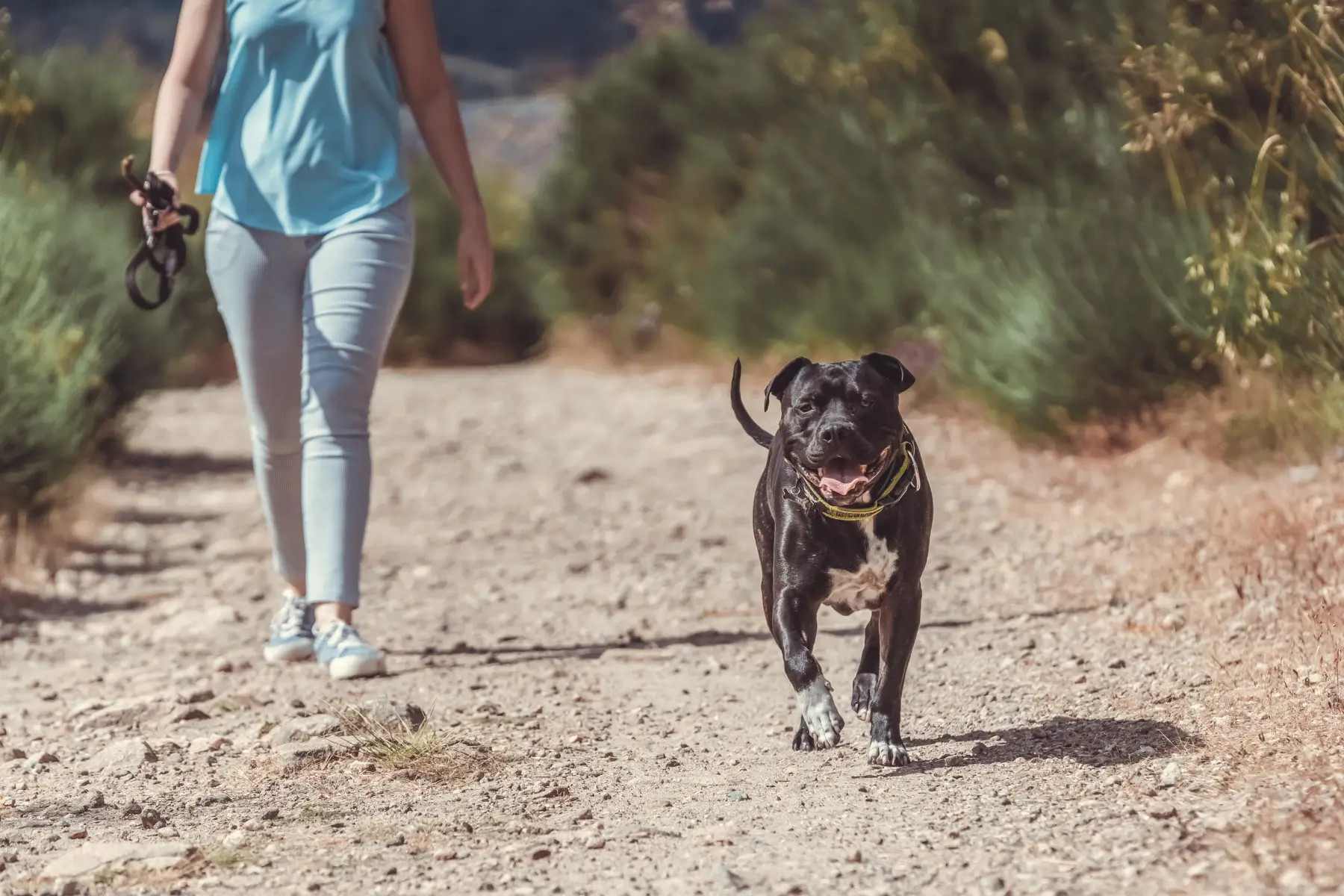
There’s something magical about watching your dog bound joyfully down a Colorado trail, ears flying, tail wagging, completely in their element among the pines and aspens. For many dog owners, the ability to safely hike off-leash with their canine companion represents the ultimate expression of trust, freedom, and partnership. It’s the dream that brings many people to Colorado in the first place—endless trails, stunning vistas, and the chance to share it all with their best friend running free beside them.
But that dream can quickly turn into a nightmare: A dog who spots a deer and vanishes into the forest. A recall command ignored as your dog races toward other hikers. A beloved companion lost on an unfamiliar mountain trail, miles from the trailhead. These scenarios aren’t just hypothetical fears; they happen regularly on Colorado trails, often to owners who believed their dog’s recall was solid enough for off-leash adventures.
At Doggie Dude Ranch and the O’Cat Corral, we understand both the appeal and the serious risks of off-leash hiking. We also know that truly reliable recall doesn’t happen by accident. It’s the result of dedicated, systematic training that prepares your dog for the unique challenges and distractions of mountain trails.
Understanding the Stakes: Why Trail Recall is Different
Before discussing training techniques, it’s crucial to understand why trail recall is exponentially more challenging than backyard recall.
The Distraction Spectrum
In your backyard or local park, distractions are relatively limited and predictable. Your dog might encounter squirrels, other dogs, interesting smells, or passing joggers. While these distractions test recall, they pale in comparison to what Colorado trails offer.
Mountain trails present a sensory explosion:
- Wildlife: Deer, elk, rabbits, squirrels, chipmunks, birds, and occasionally more dangerous animals like moose, bears, or mountain lions
- Other trail users: Hikers, trail runners, mountain bikers, horseback riders, and their dogs
- Novel scents: Animal scat, carcasses, wildflowers, and countless other fascinating smells
- Terrain features: Streams to splash in, snowfields to play on, interesting rocks and logs to investigate
- Distance: Your dog can quickly get 50, 100, or 200 yards ahead on a trail, making visual and auditory communication difficult
Each of these distractions is exponentially more exciting than anything in your training environment, which is why a dog with perfect recall at the local park can completely ignore you on a mountain trail.
The Consequences of Failure
When recall fails in your fenced backyard, the consequence is minor frustration. When recall fails on a trail, the consequences can be catastrophic:
- Lost dogs: Dogs can quickly become disoriented in unfamiliar terrain and be unable to find their way back
- Wildlife encounters: A dog chasing deer might encounter a protective elk or moose, resulting in serious injury or death
- Predator risks: Dogs separated from owners become vulnerable to mountain lions or bears
- Cliffs and hazards: Excited dogs focused on prey can run off cliffs, into rushing water, or into other dangerous terrain features
- Legal consequences: Many trails have leash requirements, and off-leash violations can result in fines or citations
- Conflicts with others: Dogs approaching other hikers, especially those with leashed dogs, creates tension and potential confrontations
The stakes are simply too high to take chances with unreliable recall.
The Hard Truth: Is Your Dog Really Ready?
This is where honest self-assessment becomes critical. Many owners overestimate their dog’s recall reliability because they’ve never truly tested it under challenging conditions.
The Trail-Ready Test
Your dog is NOT ready for off-leash trail hiking if:
- They only come when called, when there are no distractions.
- Their recall works “most of the time” or “usually”.
- They sometimes ignore the recall command, and you have to call multiple times.
- They come back eventually, but not immediately.
- They’ve ever disappeared from sight, and you’ve had to search for them.
- They have a high prey drive and chase squirrels, rabbits, or other animals.
- They’re reactive to other dogs and pull toward them on leash.
- They’re under 12-18 months old (impulse control is still developing).
- You haven’t specifically trained recall in varied, distracting environments.
Your dog IS approaching trail-ready status if:
- They respond immediately (within 2-3 seconds) to recall 95%+ of the time.
- They recall reliably, even when chasing prey or approaching other dogs.
- They check in with you regularly without being called.
- They’ve been trained in progressively distracting environments.
- They have a solid “emergency recall” command for critical situations.
- They understand and respond to distance recalls (50+ yards away).
- They’re at least 18 months old with good impulse control.
- You’ve practiced recall specifically on trails with increasing difficulty.
Be brutally honest with yourself. It’s far better to keep your dog on a long line for another six months than to lose them on a mountain.
Foundation Training: Building Bombproof Recall
Reliable trail recall doesn’t start on the trail. It starts with systematic foundation training in controlled environments.
Stage 1: Establishing the Recall Command (Indoor/Backyard)
Choose Your Command: Select a specific recall word: “come,” “here,” or even a whistle. Many trainers recommend having TWO recalls:
- Regular recall: For everyday situations (“come”)
- Emergency recall: For critical situations, used rarely and always heavily rewarded (“NOW” or a specific whistle pattern)
Never use your recall command unless you’re confident the dog will respond. Every ignored recall weakens the command’s power.
The Foundation Exercise:
- Start in a boring, distraction-free environment (inside your home)
- Call your dog using your chosen command
- When they come, deliver the BEST rewards: premium treats, favorite toys, enthusiastic praise
- Practice 5-10 times per day, making it the best thing that ever happens to your dog
- Never call your dog to do something unpleasant (baths, nail trims, end of playtime)
Make It a Game:
- Run away from your dog after calling—dogs love chase games
- Have two people practice recalls, trading the dog back and forth
- Reward with play sessions, not just treats
- Celebrate every successful recall like you won the lottery
Stage 2: Adding Distractions (Controlled Environments)
Once recall is solid indoors, gradually increase difficulty:
Backyard Training:
- Practice recall during play sessions
- Call your dog away from toys, food bowls (placed down but not eaten yet), or favorite activities
- Introduce mild distractions: family members walking past, bouncing balls, toys on the ground
- Always reward more heavily than whatever they’re leaving
Controlled Outdoor Spaces:
- Move to fenced tennis courts, baseball fields, or quiet parks
- Practice recall at varying distances
- Introduce other dogs (at a distance initially) and practice recall
- Use a long line (20-30 feet) so you can enforce the command if ignored
Distance and Duration:
- Practice recall when your dog is 10 feet away, then 20, then 50+
- Sometimes call them and immediately release them back to play (“Come! Good! Go play!”)
- This teaches that recall doesn’t always mean fun ends, increasing their willingness to respond
Stage 3: Increasing Distraction Levels
The Progression:
- Quiet neighborhood walks (on a long line)
- Busier parks with more dogs and people
- Areas with wildlife like squirrels (still on long line initially)
- Introduction to hiking environments on easy, less-trafficked trails
Critical Rule: Never let your dog off-leash in a new environment until they’ve demonstrated reliable recall on a long line in that type of environment. The long line allows you to enforce the command if they ignore it, preventing them from learning that ignoring recall is an option.
Advanced Trail-Specific Training
Once your dog has a solid foundation recall, you need to specifically prepare them for trail conditions.
Teaching Check-Ins
Trail-ready dogs don’t just respond when called; they proactively check in with their owners regularly.
Check-In Training:
- During walks, reward your dog every time they look at you without being asked.
- Use a marker word (“yes!”) or clicker the instant they make eye contact.
- Gradually increase the distance at which you reward check-ins.
- On trails, reward check-ins heavily, teaching your dog that staying aware of your location is valuable.
Dogs who check in every 30-60 seconds are far less likely to get into trouble and are easier to recall if needed.
The “Wait” and “Leave It” Commands
These commands work alongside recall to create a comprehensive safety system.
“Wait”:
- Teaches your dog to stop forward motion and hold position
- Essential at trail intersections, near cliffs, or when other trail users approach
- Practice having your dog wait at doorways, before crossing streets, and at random intervals during walks
“Leave It”:
- Teaches your dog to disengage from something interesting
- Critical for preventing wildlife chasing or eating dangerous trail finds
- Practice with increasingly tempting items: dropped treats, toys, and eventually wildlife scent
Emergency Recall: Your Ace in the Hole
Your emergency recall should be a separate, rarely-used command reserved for genuinely dangerous situations.
Building Emergency Recall:
- Choose a unique command different from regular recall (many people use a specific whistle pattern)
- ONLY use this command in training sessions, never casually
- When training it, use the absolute highest-value rewards (special treats reserved only for this)
- Practice in varied environments, but sparingly (maximum once per week)
- Never use it unless you’re certain the dog will respond, maintaining its special status
The emergency recall is your last line of defense when your dog is running toward danger: a cliff, a busy road, or an aggressive animal. It needs to trigger an immediate, automatic response regardless of distractions.
Trail Training Protocol: From Leashed to Off-Leash
Moving from controlled environments to actual off-leash trail hiking requires a careful, gradual progression.
Phase 1: Trail Familiarization (On-Leash)
Before any off-leash work, your dog needs extensive on-leash trail experience:
- Complete at least 10-15 different trail hikes fully leashed
- Practice recall commands while leashed (calling them, then rewarding when they turn toward you)
- Expose them to trail-specific challenges: other hikers, mountain bikers, dogs, wildlife sightings
- Teach trail etiquette: moving aside for others, staying on the trail, and not approaching other dogs without permission
Phase 2: Long-Line Training
Equipment: Invest in a quality 20-30 foot long line (not a retractable leash). This gives your dog freedom while maintaining control.
Long-Line Protocol:
- Choose easy, less-trafficked trails for initial long-line work
- Let your dog range out on the long line, practicing recall at varying distances
- If your dog ignores a recall, use the long line to gently enforce the command (reel them in)
- Gradually increase trail difficulty: more wildlife, more hikers, more challenging terrain
- Practice for at least 20-30 trail sessions on the long line before considering off-leash
Success Criteria: Your dog should respond to recall 95%+ of the time on the long line, even with significant distractions, before you consider removing it.
Phase 3: First Off-Leash Experiences
Choosing the Right Trail: Your first off-leash experiences should be on carefully selected trails:
- Low traffic (go early morning or weekdays)
- Minimal wildlife pressure
- Good visibility (you can see your dog at all times)
- Familiar trail you’ve hiked multiple times on-leash
- No cliffs, busy roads, or major hazards nearby
The Trial Run:
- Keep first off-leash sessions very short (15-20 minutes)
- Bring the highest-value treats and rewards
- Call your dog back frequently (every 2-3 minutes initially)
- Heavily reward every successful recall
- If your dog ignores even one recall, immediately return to long-line training
Red Flags—Return to Long Line:
- Your dog ranges out of sight
- Your dog ignores any recall attempt
- Your dog chases wildlife or approaches other hikers/dogs without permission
- You feel anxious or uncertain about control
Phase 4: Building Duration and Difficulty
Only after multiple successful short off-leash sessions should you gradually increase:
- Duration of off-leash time
- Trail difficulty
- Level of distractions present
- The distance you allow your dog to range
This progression might take months or even a year or more. There’s no rush; every step solidifies your dog’s trail reliability.
Trail Etiquette and Legal Considerations
Even with perfect recall, responsible off-leash hiking requires understanding rules and etiquette.
Know the Regulations
Always check before hiking:
- Many Colorado trails require leashes at all times
- Some areas allow off-leash hiking only under voice and sight control
- Wilderness areas, national parks, and many state parks have strict leash requirements
- Seasonal restrictions may apply (wildlife breeding seasons, high-use periods)
Violating leash laws can result in:
- Fines ($50-$500+ depending on jurisdiction)
- Permanent bans from certain trail systems
- Liability if your dog causes injury or damage
Voice and Sight Control Requirements
Many areas that permit off-leash dogs specify “voice and sight control,” which means:
- Your dog must be within your sight at all times
- Your dog must respond immediately to voice commands
- Your dog must not harass wildlife or approach other trail users
- You must leash your dog when passing others on the trail
If you can’t maintain all four of these conditions, your dog should be leashed.
Trail Courtesy
Best Practices:
- Call your dog to you and leash them when encountering other hikers, especially those with leashed dogs
- Don’t allow your dog to approach other people or dogs without permission
- Keep your dog on trail—side trails and off-trail exploration damage vegetation
- Pack out all waste (yes, even on remote trails)
- Be willing to leash your dog if anyone requests it, regardless of your rights
Remember: Every negative off-leash dog encounter makes trail access harder for all dog owners. Be an ambassador for responsible off-leash hiking.
When to Keep Your Dog Leashed (Always)
Some situations always warrant keeping your dog leashed, regardless of their recall reliability:
Mandatory Leash Situations:
- Any trail where regulations require leashes
- High-traffic trails with many hikers, bikers, or horses
- Trails through sensitive wildlife habitat during breeding seasons
- Areas with known predator activity (mountain lions, bears)
- Trails with significant cliff exposure or water hazards
- When your dog is showing signs of illness, injury, or unusual behavior
- During your dog’s adolescent phase (typically 6-18 months), when impulse control is developing
- Any trail where you feel uncertain about maintaining control
Signs Your Dog Needs More Training:
- They’ve ignored a recall even once on the trail
- They’ve approached other hikers or dogs without permission
- They’ve chased wildlife
- They range out of sight regularly
- You find yourself anxious about their behavior
There’s no shame in using a leash or long line. In fact, it demonstrates responsible ownership and commitment to your dog’s safety.
Maintenance Training: Keeping Skills Sharp
Recall isn’t a “train once and done” skill. It requires ongoing maintenance and practice.
Ongoing Training Protocol:
- Practice recall in your yard or local park weekly.
- Refresh emergency recall monthly (using it sparingly keeps it powerful).
- Continue rewarding trail recalls (randomly, not every time, which maintains motivation).
- Introduce new challenges periodically (new trails, new wildlife encounters).
- If recall starts degrading, return to long-line training immediately.
Age and Life Stage Considerations:
- Adolescent dogs (6-18 months) often experience recall regression—be prepared to return to more structured training
- Senior dogs may develop hearing loss—watch for signs and adjust commands or use hand signals
- After any significant break from trail hiking (injury, winter, moving), reintroduce gradually
The Role of Exercise and Mental Stimulation
A tired, mentally satisfied dog is far easier to control on trails than a pent-up, frustrated one.
Pre-Trail Preparation: Before off-leash hiking, ensure your dog has received:
- Adequate daily exercise appropriate for their breed and age
- Mental stimulation through training, puzzle toys, or enrichment activities
- Social interaction with other dogs if they’re social
- A routine that includes structure and boundaries
At Doggie Dude Ranch, we see the difference that consistent exercise and socialization make in dogs’ overall behavior and responsiveness. Dogs who attend daycare or boarding with regular play sessions often display better impulse control and recall than dogs who lack structured activity.
Alternatives to Off-Leash Hiking
If your dog isn’t quite ready for off-leash adventures—or if trails don’t permit it—alternatives exist:
Long Lines: 20-30 foot long lines provide freedom while maintaining safety. Dogs can explore, sniff, and enjoy trails while you retain the ability to control them if needed.
Fenced Dog Parks: Some Colorado areas offer fenced off-leash areas specifically for dogs, providing safe off-leash experience without trail risks.
Private Land: If you have access to private property, it can serve as a safer training ground for off-leash skills.
Structured Leash Hiking: Many dogs are perfectly content hiking on a standard 6-foot leash, especially if they receive adequate off-leash exercise in other contexts.
The Ultimate Goal: Partnership and Trust
The journey to reliable trail recall isn’t just about training commands—it’s about building a partnership based on trust, communication, and mutual respect.
A truly trail-ready dog:
- Trusts that coming when called leads to good things
- Understands that staying near their owner keeps them safe
- Has been set up for success through systematic training
- Has an owner who prioritizes safety over convenience
This level of partnership doesn’t develop overnight. It’s the result of hundreds of training sessions, thousands of rewards, countless trail miles, and an unwavering commitment to doing things right.
Summing Up: The Privilege of Off-Leash Hiking
Off-leash hiking with your dog on Colorado’s stunning trails is an enormous privilege, one that comes with equally enormous responsibility. Every negative incident, every dog that gets lost, every conflict with other trail users makes it harder for all of us to maintain off-leash access.
By committing to thorough recall training, respecting regulations and etiquette, and honestly assessing your dog’s readiness, you become part of the solution rather than part of the problem. You demonstrate that dog owners can be trusted to share trails responsibly.
At Doggie Dude Ranch and the O’Cat Corral, we celebrate the special bond between dogs and their owners, and we understand the appeal of sharing Colorado’s wilderness together. We also know that truly reliable recall is rare, difficult to achieve, and absolutely essential for safety.
Whether you’re just starting recall training or refining already-solid skills, remember: there’s no timeline, no rush, and no pressure. Some dogs will be ready for off-leash hiking within a year; others may need two or three years; and some may never be reliable enough off-leash on trails, and that’s okay.
What matters is that when you do venture onto trails off-leash, you do so with confidence, preparation, and the knowledge that you’ve put in the work to keep your dog safe. That’s what being trail-ready really means.
Questions about training, boarding, or preparing your dog for Colorado adventures? Contact Doggie Dude Ranch and the O’Cat Corral. We’re here to support you and your dog at every stage of your journey together, whether that’s mastering recall, enjoying daycare socialization, or simply providing a safe, fun home away from home while you explore Colorado’s peaks.