Skip to content




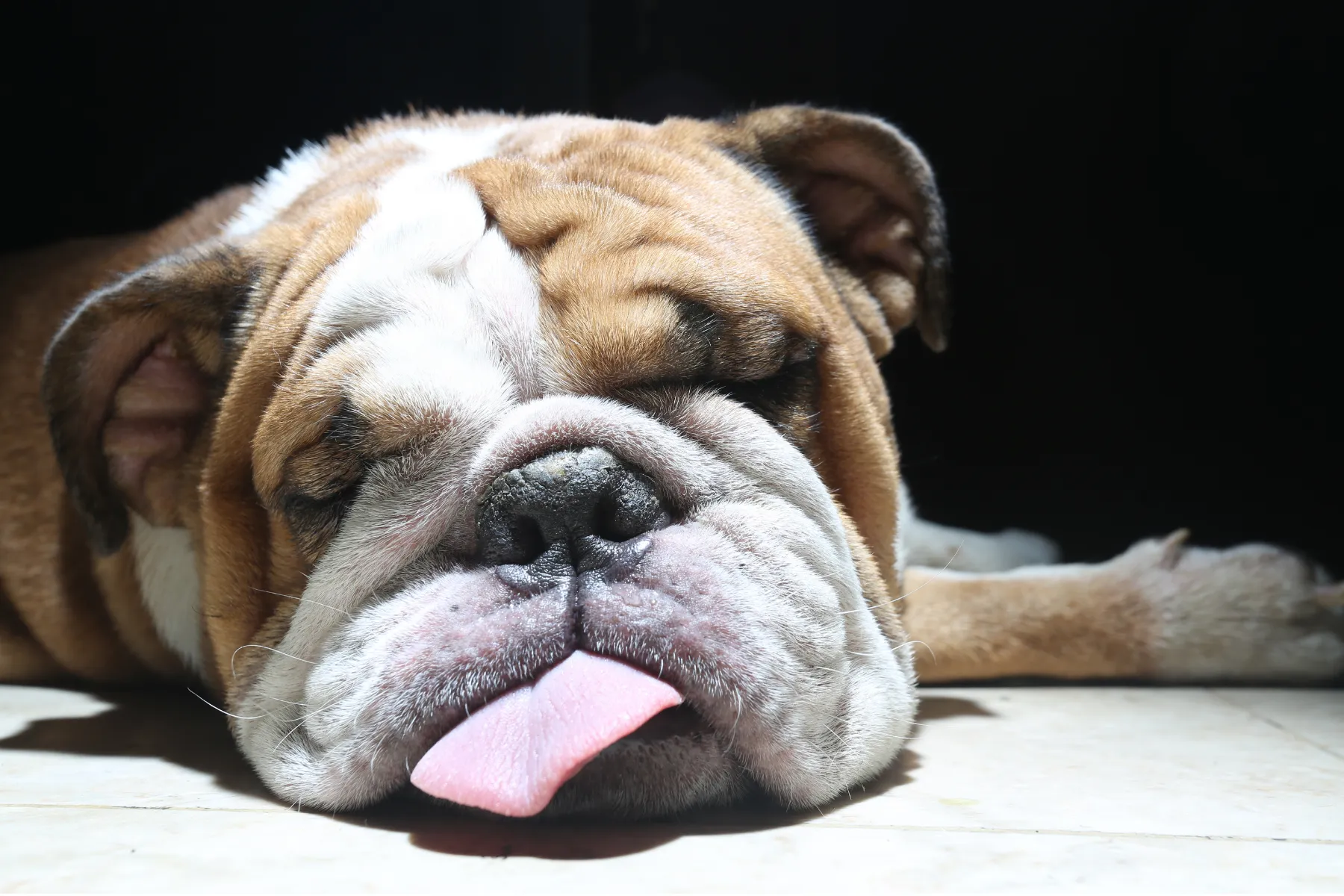
Is It Normal for a Dog to Be Tired After Boarding?
Yes. It is normal for a dog to sleep far more than usual for a day or two after a boarding stay, and it usually means the stay was full of play, new smells, and new friends. Boarding tires the brain as well as the body. Sniffing dozens of new scents, meeting other dogs, and following a new daily routine all take real mental effort. A healthy tired dog still eats and drinks, has bright eyes, wakes easily, and greets you with a wagging tail. Call your veterinarian if your dog refuses water, coughs persistently, has diarrhea or vomiting, is hard to wake, or is not back to normal after about 48 hours.
If you just picked your dog up after Thanksgiving or are boarding for the December holidays, we’ll help you understand what is happening, how to tell tired from sick, and what to do on the first night home.
Why Does My Dog Come Home So Tired After Boarding?
Your dog is recovering from a mental workout and a physical one at the same time, much like a person coming home from a busy conference or a day at a theme park. Think of it as a post-vacation hangover. Nothing is wrong, and the body is simply catching up.
The mental side is bigger than most owners expect. A dog’s nose has more than 200 million scent receptors, compared with about 6 million in a person, and dogs often sniff five to ten times a second. Sniffing takes concentration and raises a dog’s breathing rate, so a scent-filled day is tiring in its own right. A boarding facility is packed with new smells: other dogs, different yards, staff, and a whole new routine to learn.
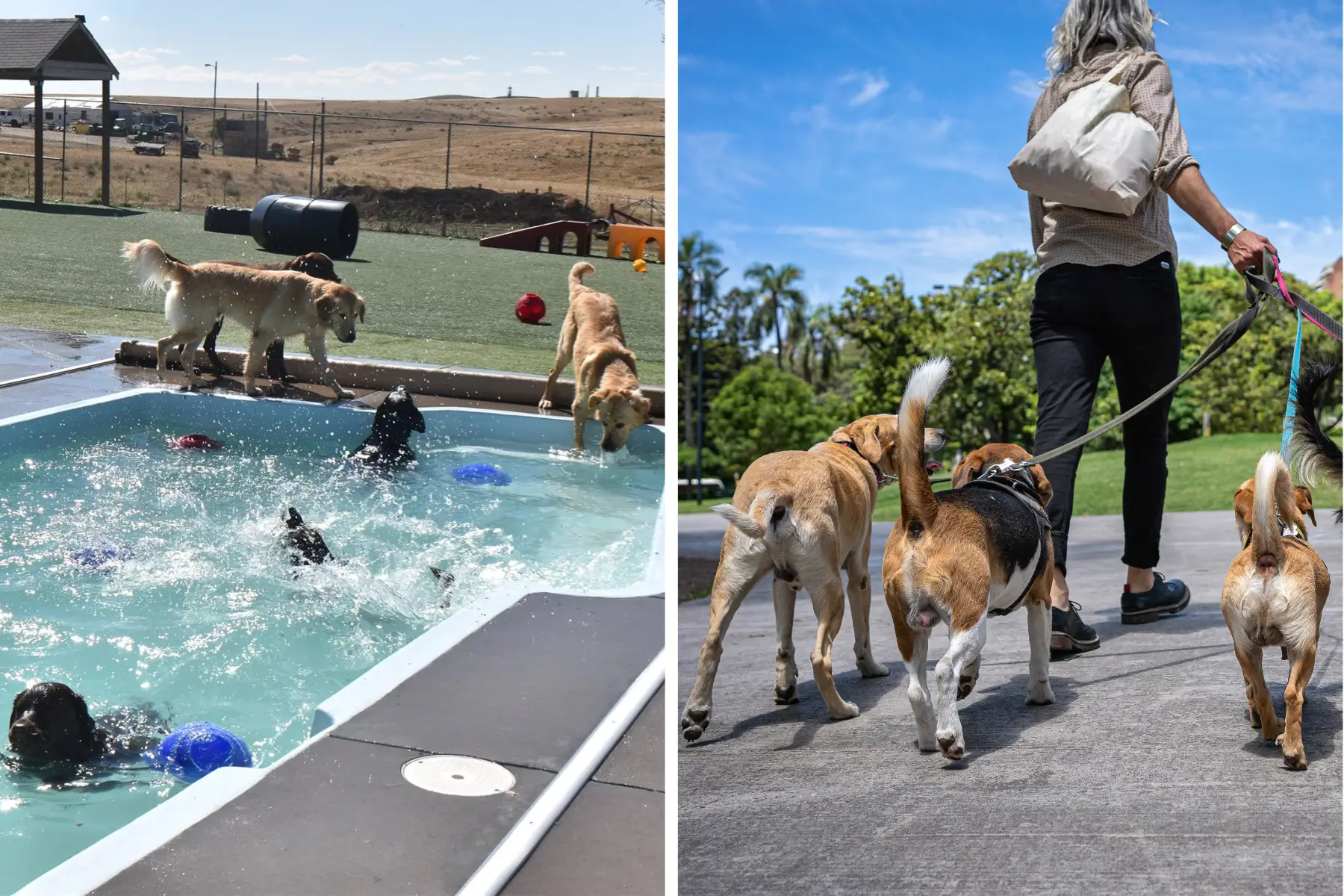
Then add the physical work. Dogs run in play yards, chase, wrestle, and swim when the pool is open. Here is how the two kinds of fatigue compare:
| Type of fatigue | What drives it during a stay | What it looks like at home |
|---|---|---|
| Mental and sensory | New scents, new dogs and people, new sounds, a new daily schedule | Deep, relaxed sleep; less interest in play for a day |
| Physical | Running, wrestling, swimming, time on the move | Tired muscles; slower walks; a long nap after a meal |
| Social | Meeting and reading many dogs, taking turns, settling in a group | A socially worn-out dog who wants quiet and a familiar bed |
Some dogs also settle less deeply in an unfamiliar place, then make up the sleep once they are home. Put it all together, and a day or two of extra rest is a healthy response. Most dogs feel like playing again after a good night’s sleep.
Note that sniffing does not replace exercise. Mental and physical fatigue are different, and a good stay offers both.
What Does a Healthy, Happy-Tired Dog Look Like?
A happy-tired dog sleeps a lot but still acts like themselves whenever they are awake. If your dog is relaxed, eating normally, and responsive, extra sleep after a busy stay is normal. Look for these signs:
- A normal appetite. The first meal may be a little slower, but your dog is interested in food.
- Normal drinking. Water comes and goes as usual.
- Bright eyes and a relaxed body. Soft eyes, loose muscles, and an easy sleeping posture.
- A happy greeting. A wagging tail and some excitement when you walk in, even if it fades quickly.
- Easy to rouse. Your dog wakes when you call, perks up for a favorite treat or the doorbell, then settles back down.
- Normal bathroom habits. A single softer stool can happen, but your dog is otherwise comfortable.
Here is a typical timeline:
| When | What you will usually see |
|---|---|
| Pickup day | A happy greeting, then a long crash, often with a nap in the car or on the couch |
| First 24 hours | Lots of sleep, a calm evening, and maybe a slower walk |
| Day 2 | More energy, normal meals, and growing interest in toys and walks |
| Days 2 to 3 | Back to the usual routine |
Resist the urge to wake a sleeping dog. If your dog is sleeping a lot because of excitement or exercise, the body probably needs it. Give them a quiet, comfortable spot and check in, rather than trying to keep them active.
When Is Tired Actually Sick? Warning Signs to Watch For
Call your veterinarian if your dog refuses water, coughs persistently, has diarrhea or vomiting that does not settle, or is hard to wake. Tiredness alone is rarely the problem. It is tiredness plus another sign, or tiredness that lasts, that deserves a call.
| Warning sign | Why it’s important | What to do |
|---|---|---|
| Refuses water for 24 hours, or is also vomiting or lethargic | Dehydration can set in quickly | Call your vet the same day |
| A persistent hacking or honking cough, sneezing, or nasal discharge | Possible kennel cough; signs can appear 2 to 14 days after exposure | Call your vet, and keep your dog away from other dogs |
| Diarrhea lasting more than a day, blood or mucus in the stool, or repeated vomiting | Can point to infection, parasites, or a food problem | Call your vet |
| Hard to wake, dull, or uninterested in food, treats, or you | This is lethargy, not normal tiredness | Call your vet, sooner than 24 hours if it is severe |
| Limping, stiffness, or trouble getting up | May be strain or injury | Call your vet if it does not ease within a day |
| Labored breathing, pale gums, or collapse | A possible emergency | Go to an emergency vet now |
Two timing rules help. Mild lethargy that lasts more than about 24 to 48 hours, or that comes with changes in eating or drinking, is worth a call. And your dog should be steadily improving, not getting sicker each day.
One common cause of a cough after any group stay is kennel cough, which can spread wherever dogs share air. We take it very seriously and keep strict cleaning protocols to reduce the risk as much as we can. Our guide to canine cough (kennel cough) explains the signs and what to do. Most dogs recover in one to three weeks, and puppies, seniors, and dogs with other health issues can have a harder time.
Trust your instincts. You know your dog’s normal better than anyone, so if something seems off, call.
What Should I Do the First Night Home?
Keep the first night calm and quiet, and feed smaller meals than usual. A dog who is excited, a little stressed, and tired can have a sensitive stomach, and a big bowl of food right away can be too much. Stress is a known cause of loose stool after boarding, sometimes called stress colitis. Small portions every few hours tend to be easier on the gut than two large meals.
Here is a simple plan:
- Welcome them calmly. Keep the reunion low-key so excitement does not pile onto the stress of the day.
- Offer fresh water. Make sure a clean bowl is easy to reach.
- Split dinner into smaller meals. Try about half the usual portion first, then another small portion a few hours later.
- Keep it simple. Stick with your dog’s regular food. If your dog’s stomach seems touchy, plain boiled chicken (no skin or seasoning) and plain white rice is a gentle option for a day or two. Skip rich treats, table scraps, and new chews.
- Give them a quiet place to sleep. Their own bed, a calm room, and no pressure to play.
- Keep walks short. A potty break and a gentle stroll is plenty. Skip the dog park and hard exercise for a day or two.
- Return to normal gradually. Over the next day or two, move back to regular portions and your usual routine.
Some cautions:
- Do not fast puppies, seniors, or dogs with medical conditions. They should keep eating small meals. If your dog has diabetes or another condition, or a prescribed diet, follow your veterinarian’s instructions.
- Do not switch foods suddenly. A new food on top of travel excitement invites an upset stomach.
- Watch the stool. One or two soft stools can happen, and stress-related flare-ups often settle within a few days. Call your vet if diarrhea lasts more than a day, gets worse, or comes with vomiting or lethargy.
Smaller, simpler meals are a precaution, not a guarantee. They are an easy way to give a tired, excited gut an easier night.
How a Ranch Day Balances Play and Rest
A good boarding day alternates activity with real downtime, so dogs are not running nonstop. At Doggie Dude Ranch, the daily routine looks like this:
- 7:00 to 7:30 AM: Morning break outside
- 7:30 AM: Breakfast
- 8:00 to 10:30 AM: Rest
- 10:30 AM to 12:30 PM: Playtime
- 1:00 to 4:00 PM: Naptime
- 4:00 to 4:30 PM: Afternoon break outside
- 4:30 PM: Dinner
- 5:00 to 6:00 PM: Closing time and rest
- 7:30 to 8:30 PM: Last potty break outside
All dogs come in from the yards for nap time rather than napping outside, and play is supervised. In warm weather, the pool adds a low-impact way to burn energy. Even with that built-in rest, a stay full of new dogs, new scents, and a new routine leaves most dogs ready for a long sleep at home. That is a sign the days were full.
A few things make the first night easier:
- Share your dog’s normal routine. Meal times, feeding amounts, medications, and habits help us notice when something is off. Our boarding prep page walks you through getting ready for a stay.
- Watch the photos. We post pictures of our guests on our Facebook page, so you can see for yourself how your dog is doing and how active the days were.
- Ask at pickup. Our staff see your dog every day of a stay and pass along anything unusual they notice, so ask how your dog’s days went.
- Plan a quiet first evening. Clear the calendar after pickup so your dog can decompress.
Dogs Tired After Boarding: Quick Answers
Is it normal for my dog to sleep a lot after boarding?
Yes. A day or two of extra sleep is common after a stay full of play, new scents, and new dogs. It is healthy as long as your dog still eats, drinks, wakes easily, and acts like themselves when awake.
How long will my dog be tired after boarding?
Most dogs are back to normal within 24 to 48 hours. They often feel like playing again after a good night’s sleep.
When should I worry that my dog is tired after boarding?
Call your veterinarian if your dog refuses water, coughs persistently, has diarrhea or vomiting that does not settle, is hard to wake, or is not improving after about 48 hours. Severe lethargy deserves a call sooner.
Why does my dog have diarrhea after boarding?
Stress is a common cause, sometimes called stress colitis, along with excitement and any change in food or treats. A single soft stool in an otherwise bright dog is usually minor, but call your vet if it lasts more than a day or comes with vomiting or lethargy.
What should I feed my dog the first night home from boarding?
Offer smaller portions of your dog’s regular food, such as half the usual amount followed by a second small meal a few hours later. Plain boiled chicken and white rice is a gentle option if the stomach seems touchy. Avoid rich treats and new foods, and follow your vet’s advice for dogs with medical conditions.
How long after boarding can kennel cough show up?
Signs usually appear within about 2 to 14 days of exposure, and the main one is a hacking or honking cough. Call your vet if you hear it, and keep your dog away from other dogs until your vet says it is safe.
Should I wake my sleeping dog?
Generally no. If your dog is sleeping because of excitement or exercise, the body likely needs the rest. Check in on them, and call your vet if they are hard to wake.
Plan the Next Stay Around a Good Sleep
A tired dog after boarding is usually a happy dog, and a quiet first night is the best welcome home. Let them sleep, keep meals small and simple, watch for the warning signs above, and call your veterinarian if something does not seem right.
If you are planning a holiday stay, learn more about dog boarding at Doggie Dude Ranch, see the boarding prep page, or register as a new customer. You can also call (303) 366-2498 with any questions about how your dog’s stay went.