Skip to content



Are you and your pups ready for winter? It’s almost here! Winter along the Front Range arrives like a frosty house guest: beautiful from afar, messy up close, and suddenly responsible for leaving icy surprises at your doorstep. For pet parents, the season brings plenty of joy — snow zoomies, powdery trails, and cozy evenings indoors — but it also brings hazards that can turn a simple backyard romp into a painful experience for a dog’s paws.
At Doggie Dude Ranch and the O’Cat Corral, we know how important it is to keep pets safe, comfortable, and healthy throughout the coldest months. Winters near Denver can swing from mild to frigid in a single day, and paws often take the brunt of those temperature rollercoasters. Whether your dog prances over snow like a mountain goat or tiptoes like the ground is made of frozen lava, winter paw care can’t be forgotten about.
This guide digs into the essentials: rock salt, ice, snow buildup, cold temperatures, protective gear, cleaning techniques, and how we keep paws clean and comfortable during every winter stay at Doggie Dude Ranch.
Winter Is Tough on Dog Paws
Winter challenges dogs in ways we often overlook. Our boots and gloves protect us; their paws face the elements uncovered.
Here are the main hazards dogs encounter during colder months:
Salt and Ice-Melt Chemicals
Deicers may keep sidewalks walkable for humans, but they can sting paws, cause cracking, and irritate skin. Some chemical residues can lead to burns or inflammation, and dogs who lick their feet after a walk may ingest substances that upset their stomachs.
Ice and Hard Snow
The freeze–thaw cycle of Colorado winter creates rugged, uneven surfaces. Sharp ice edges, compacted snow, and frigid ground temperatures can cut pads or cause frostbite during longer outings.
Snow Buildup
For many dogs, especially those with longer fur between the toes, snow packs into clumps that turn into cold, hard “snowballs.” These can alter a dog’s gait, cause discomfort, and lead to raw skin or matting.
Cold Exposure
Even tough, adventurous dogs lose heat through their paws. Prolonged contact with snow or frozen terrain risks chapping, cracking, and in severe cases, frostbite.
Protective Gear to Keep Paws Safe
Winter gear isn’t just a fashion statement anymore — it’s functional. From paw waxes to booties, protective tools help your dog enjoy the season safely.
Paw Waxes
Think of paw wax as an invisible, breathable shield. It forms a protective layer that:
- Repels water
- Helps prevent snowball buildup
- Reduces salt irritation
- Moisturizes pads
Popular options like Musher’s Secret or natural beeswax blends are safe for dogs, even if licked. They’re ideal for dogs who don’t tolerate wearing booties or for quick outings.
Dog Booties
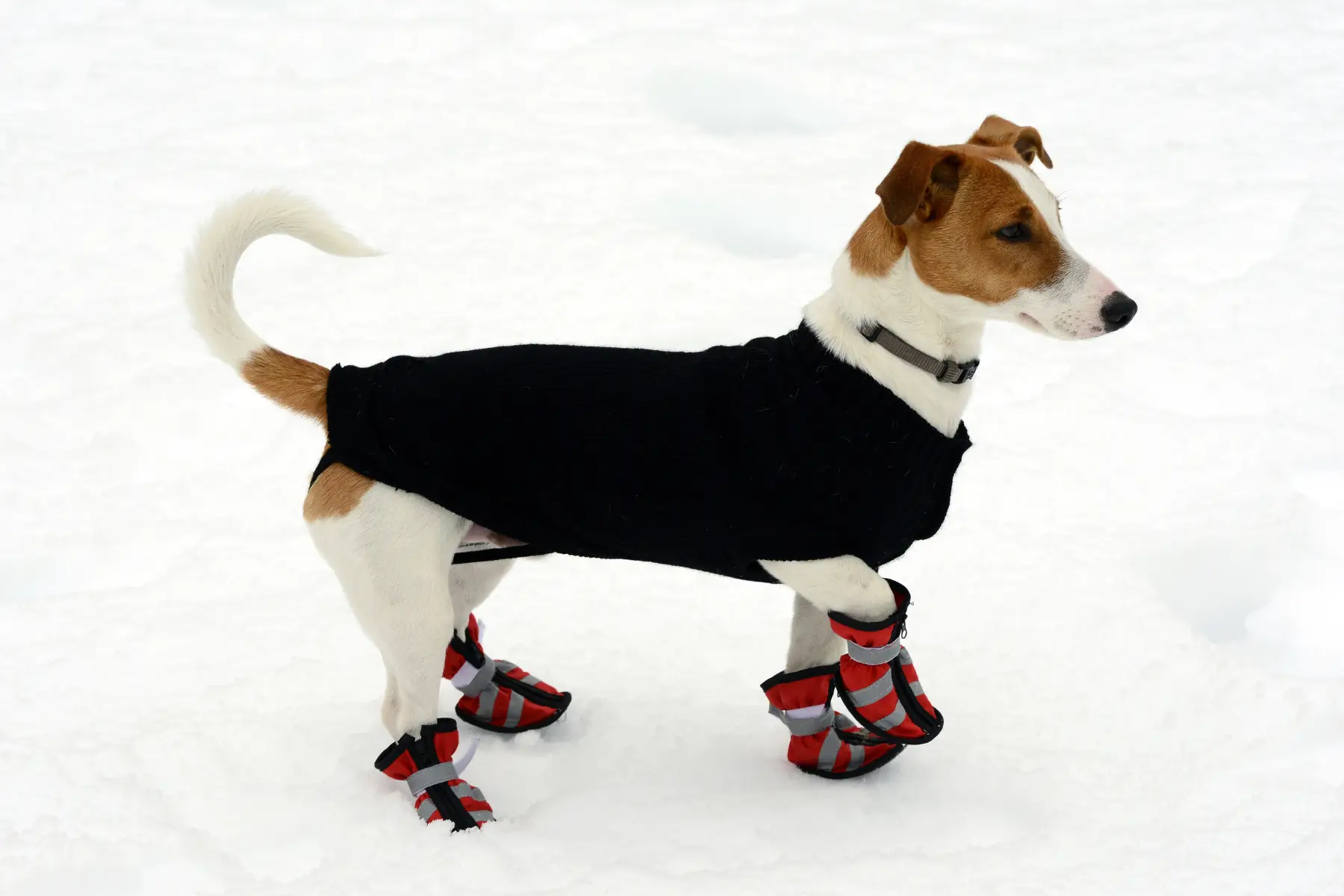
Booties are the gold standard for full paw protection. They help with:
- Ice and snow insulation
- Traction on slick surfaces
- Preventing contact with chemical deicers
- Added warmth during cold-weather hikes
Finding the right fit matters. The best booties stay secure without restricting circulation. Some Denver-area pet parents prefer lightweight rubber-style booties; others opt for insulated, rugged models for heavy outdoor activity.
If your dog struggles with them at first, starting with short indoor practice sessions can help build comfort and tolerance.
Moisturizing Balms
After walks, a gentle balm can soothe dry pads and support healing. Healthy paws are flexible and soft, not brittle. Regular moisturizing helps maintain that elasticity, especially during Colorado’s dry winter months.
Other Winterwear for Comfort and Safety
Paw protection is only one piece of the puzzle. Some dogs need a little more help staying warm outdoors.
Jackets and Sweaters
Short-haired breeds, thin-bodied dogs, seniors, and puppies are especially vulnerable to cold. A well-fitting jacket:
- Retains body heat
- Shields from wind
- Helps dogs enjoy outdoor time longer
Water-resistant fabrics are ideal for snowy play sessions. For more active dogs, lightweight layers can provide warmth without overheating.
Full-body Snowsuits
For breeds with extremely low cold tolerance, these suits extend warmth from neck to belly to hind legs. They also reduce snow clinging to longer fur.
Reflective Gear for Early Sunsets
Winter daylight fades fast. Reflective collars, harnesses, or jackets help keep dogs visible during dusk walks or snowy conditions.
Safe Cleaning Techniques After Winter Walks
Keeping paws healthy isn’t just about protecting them outside but caring for them when you get home.
Rinse or Wipe After Every Walk
A simple rinse removes salt, ice-melt chemicals, and dirt. Dogs who dislike baths may tolerate warm, damp cloth wipes or a shallow paw dip.
Check Between Toes
Snowballs hide in the fur between pads. Gently break them apart or melt them with warm water.
Dry Thoroughly
Leaving paws damp in cold air makes irritation more likely. A soft towel works well for most dogs; fluffier coats may need a quick blow-dry.
Inspect for Cracks
Early signs of dryness or cracking include flakiness, redness, or mild swelling. Address these quickly with moisturizing balms to prevent worsening.
How Doggie Dude Ranch Keeps Paws Happy All Winter
At our boarding facility in Watkins, just east of Denver, we take winter paw and coat care seriously. Outdoor play is a big part of the fun here, but cold weather calls for thoughtful adjustments to keep every pup safe.
Here’s how we protect paws and fur during winter stays:
1. Weather-Appropriate Gear
Some dogs come equipped with natural snow armor. Others need a little help. When the frost settles in:
- Short-haired dogs receive warm dog jackets before going outside.
- Long-haired dogs are monitored closely to prevent snow clinging or matting.
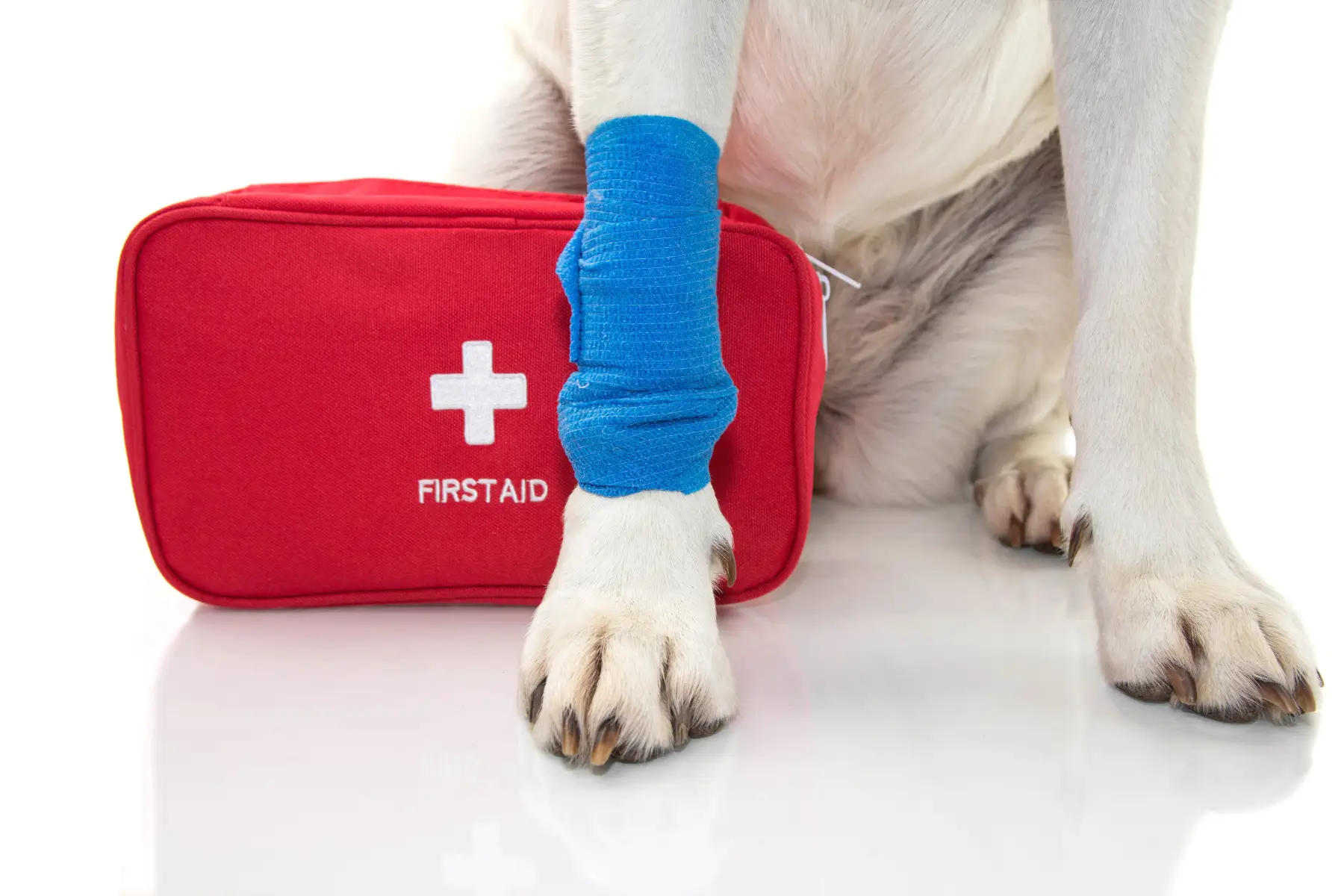
- Footwear such as vet wrap is used for certain dogs needing extra paw protection.
We tailor these accommodations based on individual needs so every dog can play comfortably.
2. Indoor Play for Small or Cold-Sensitive Dogs
Small dogs, seniors, and cold-sensitive breeds often struggle in deep snow or freezing temperatures. That’s why we offer:
- A heated indoor playroom where they can socialize, zoom, and play without braving the icy yard.
This ensures that every dog, large or tiny, enjoys enrichment, exercise, and companionship regardless of the weather.
3. Post-Play Cleanup and Drying
After outdoor winter fun, our team ensures dogs return warm and comfortable:
- Long-haired dogs are dried off thoroughly, often with a gentle blow-dry to remove moisture from dense fur.
- Dogs with accumulated snowballs are cleaned and de-snowed before going back to their suite.
- Paws are wiped and checked, especially when ice or snow is involved.
Our goal is simple: paws stay clean, dry, and irritation-free.
4. Regular Monitoring During Play
Winter conditions can change quickly. Our team keeps a close eye on:
- Paw sensitivity
- Shivering or cold signs
- Fatigue in snowy terrain
- Snow buildup around toes or fur
If a dog looks chilly or uncomfortable, we adjust playtime immediately.
Additional Tips for Winter Paw Safety at Home
Even with the best care, winter still demands attention from pet parents. Try these practices to keep your dog safe between walks or play sessions:
- Trim long fur around the paws to minimize snowball accumulation.
- Choose pet-safe deicers for your own walkways.
- Use a humidifier indoors to counteract Colorado’s dry winter air.
- Keep nails trimmed to improve traction on slick ground.
These small steps help prevent bigger problems later.
Winter Can Be Wonderful — With the Right Paw Care
Your dog shouldn’t have to choose between staying warm and having fun. With a little preparation (the right gear, simple cleaning habits, and attention to winter hazards), you can keep every walk, adventure, and backyard play session safe and enjoyable.
At Doggie Dude Ranch and the O’Cat Corral, we’re committed to giving every dog the comfort and care they need during winter stays. From jackets and indoor playrooms to paw wipes and blow-drying, we make sure cold-weather fun never comes at the cost of paw health.
If you’d like to learn more about our winter care practices or book a cozy boarding stay, you can explore our Dog Boarding page.