Skip to content




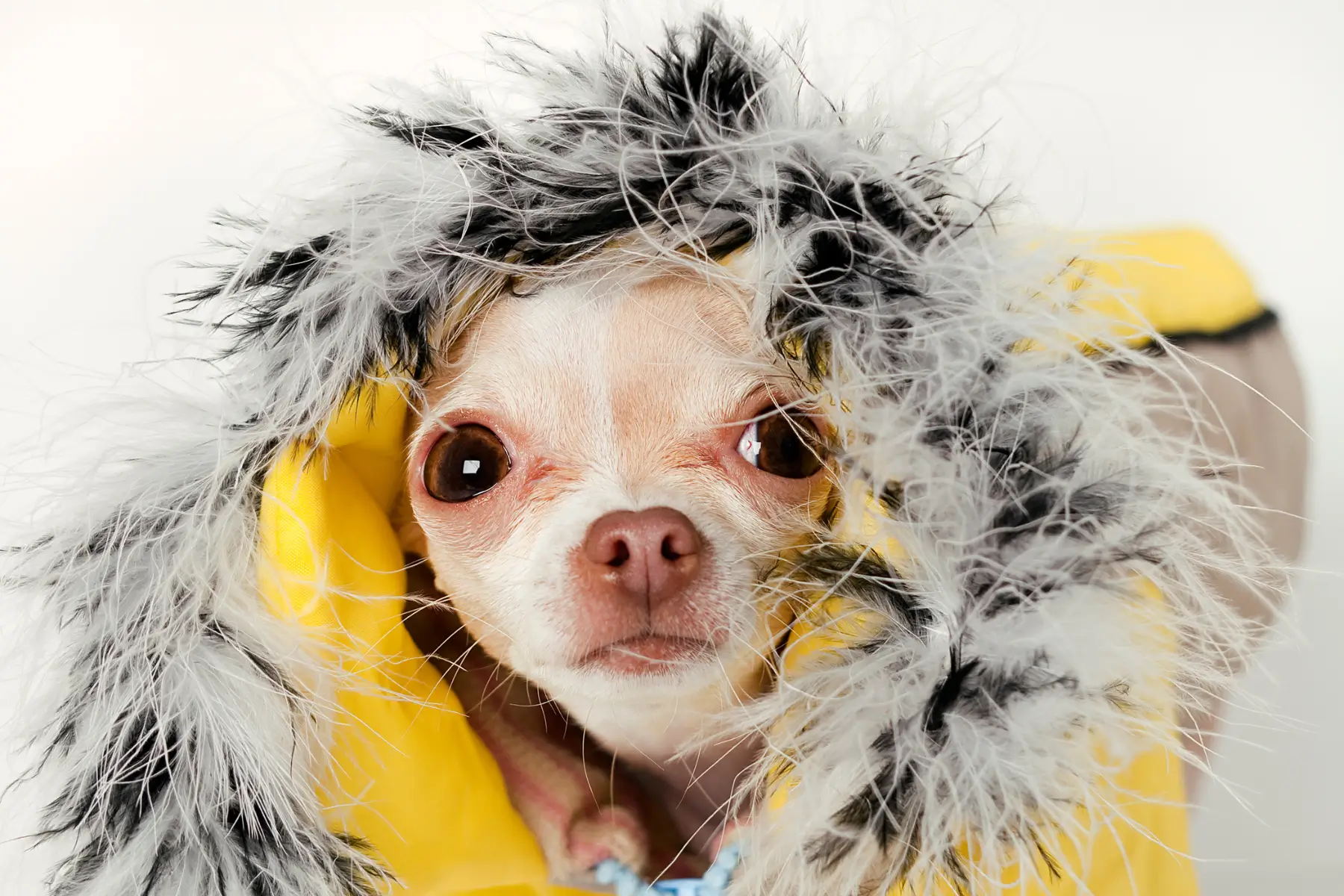
As Denver pet parents bundle up against the January chill, it’s easy to forget that our furry companions face serious risks when temperatures plummet. While that thick coat might look warm, dogs and cats are vulnerable to hypothermia and frostbite, two potentially life-threatening conditions that can develop faster than many pet owners realize.
At Doggie Dude Ranch and the O’Cat Corral, we understand Colorado’s unpredictable winter weather intimately. With years of experience managing outdoor play safely during freezing temperatures, we’ve learned that vigilance and knowledge are the best protections against cold-weather emergencies. Whether you’re taking your dog for a quick walk around the block or they’re enjoying supervised play at our facility, understanding the risks and warning signs of hypothermia and frostbite could save your pet’s life.
Understanding Hypothermia in Pets
Hypothermia occurs when a pet’s body temperature drops below the normal range of 101-102.5°F. This happens when an animal loses heat faster than their body can produce it, causing their core temperature to fall to dangerous levels.
The Three Stages of Hypothermia
Mild Hypothermia (90-99°F): At this stage, your pet’s body is working hard to maintain warmth. You’ll notice shivering, the body’s attempt to generate heat through muscle activity. Your pet may seem slower or less responsive than usual, and they might seek warm places or huddle close to you.
Moderate Hypothermia (82-90°F): As body temperature continues to drop, shivering may actually stop, not because your pet is warming up, but because their muscles no longer have the energy to shiver. You’ll observe muscle stiffness, shallow or slow breathing, lethargy, and dilated pupils. This stage requires immediate veterinary attention.
Severe Hypothermia (Below 82°F): This is a life-threatening emergency. Your pet may appear unresponsive, have a fixed stare, difficulty breathing, or an undetectable heartbeat. Immediate emergency veterinary care is critical.
Warning Signs Every Pet Owner Should Know
Recognizing hypothermia early can make all the difference. Watch for these symptoms during and after cold exposure:
- Intense shivering followed by cessation of shivering as the condition worsens
- Lethargy and weakness – your pet seems unusually tired or unwilling to move
- Stumbling or lack of coordination – similar to how humans become clumsy when very cold
- Pale or blue-tinged gums and skin – indicating poor circulation
- Slow, shallow breathing or labored respiration
- Decreased heart rate – you may notice this if you’re familiar with your pet’s normal pulse
- Whining or distress vocalizations – though some pets become very quiet
- Seeking warmth desperately – trying to burrow or press against warm objects or people
The Frostbite Threat: What Pet Owners Need to Know
Frostbite occurs when tissues freeze due to prolonged exposure to cold temperatures. Blood vessels constrict to preserve core body heat, reducing blood flow to extremities. In severe cases, the tissue can actually freeze, causing permanent damage.
High-Risk Areas for Frostbite
Pets are most vulnerable to frostbite in areas with less fur coverage and those farthest from the heart’s warming blood supply:
- Ear tips – especially in breeds with upright or thin ears
- Tail tip – particularly in breeds with thin or hairless tails
- Paw pads – constant contact with frozen ground or snow
- Scrotum – in male dogs
- Nose and muzzle – areas with minimal fur protection
- Belly – when lying on snow or ice
Recognizing Frostbite
Frostbite can be tricky to identify initially because the affected areas may not show symptoms immediately. Here’s what to watch for:
During Exposure:
- Skin that feels unusually cold to the touch
- Areas that appear pale, white, or grayish
- Brittleness or hardness in the affected tissue
- Your pet may lick or bite at affected areas due to pain or odd sensations
After Warming:
- Redness and swelling as blood flow returns
- Blistering (appears within hours to days)
- Pain when touching affected areas
- Blackened or dead tissue (in severe cases, may take days to appear)
- Skin peeling or sloughing off
The insidious nature of frostbite is that severe damage may not be apparent for several days. What looks like minor redness initially can progress to tissue death requiring amputation.
Which Pets Are Most Vulnerable?
While any pet can develop hypothermia or frostbite in extreme conditions, certain factors increase risk significantly:
Size Matters: Small dogs and cats have a higher surface-area-to-body-mass ratio, meaning they lose heat more quickly than larger animals. Toy breeds, puppies, kittens, and cats are especially vulnerable. At Doggie Dude Ranch, this is why our small dogs often come inside to play in our climate-controlled playroom during the winter months rather than risking outdoor exposure.
Coat Type: Short-haired breeds lack the insulating properties of thick, double-coated dogs. Breeds like Greyhounds, Chihuahuas, Pit Bulls, and Boxers need extra protection. We provide jackets for short-haired dogs during outdoor playtime in winter, understanding that their coats simply don’t provide adequate insulation against Colorado’s freezing temperatures.
Age Considerations: Very young and elderly pets struggle to regulate body temperature effectively. Puppies and kittens haven’t fully developed their thermoregulation abilities, while senior pets may have diminished circulation and slower metabolic rates.
Health Status: Pets with certain medical conditions face elevated risks:
- Hypothyroidism or other endocrine disorders affecting metabolism
- Heart disease reducing circulation efficiency
- Diabetes impacting overall health and healing
- Arthritis making movement difficult in cold weather
- Kidney disease affecting fluid balance and body temperature regulation
Body Condition: Both underweight and overweight pets face challenges. Thin pets lack the insulating fat layer, while obese pets often have poor circulation and reduced exercise tolerance, making them less able to generate body heat through activity.
Wet Fur: Moisture dramatically increases heat loss. A dog who’s been playing in snow or gotten wet from winter precipitation loses body heat much faster than a dry dog. This is why at Doggie Dude Ranch, we towel-dry and blow-dry long-haired dogs after outdoor snow play. That beautiful, thick coat becomes a liability when it’s wet and frozen.
Immediate Response: What to Do If You Suspect Hypothermia or Frostbite
For Hypothermia:
Step 1: Get Inside Immediately Move your pet to a warm, dry environment as quickly as possible. Time is critical.
Step 2: Remove Wet Items Take off any wet collars, harnesses, or clothing. Gently dry your pet with towels.
Step 3: Gradual Warming This is crucial. Never use direct heat sources like heating pads, hair dryers on high heat, or hot water. Rapid warming can cause shock or burn damaged tissue. Instead:
- Wrap your pet in warm (not hot) blankets
- Place warm water bottles wrapped in towels near (not directly on) your pet
- Hold smaller pets close to your body for warmth
- Focus warming efforts on the core (chest and abdomen) rather than extremities
Step 4: Check Temperature If you have a rectal thermometer, carefully check your pet’s temperature every 10 minutes. Stop active warming when temperature reaches 100°F—their body can handle the rest.
Step 5: Seek Veterinary Care Even if your pet seems to recover, hypothermia can cause internal complications. Call your veterinarian or emergency clinic for guidance. Moderate to severe cases always require professional evaluation.
For Frostbite:
Step 1: Handle with Extreme Care Frostbitten tissue is fragile and easily damaged. Don’t rub or massage affected areas—this can cause additional tissue destruction.
Step 2: Gradual Warming Apply warm (not hot) water compresses to affected areas. The water should be lukewarm (about 104-108°F). Continue for about 20 minutes.
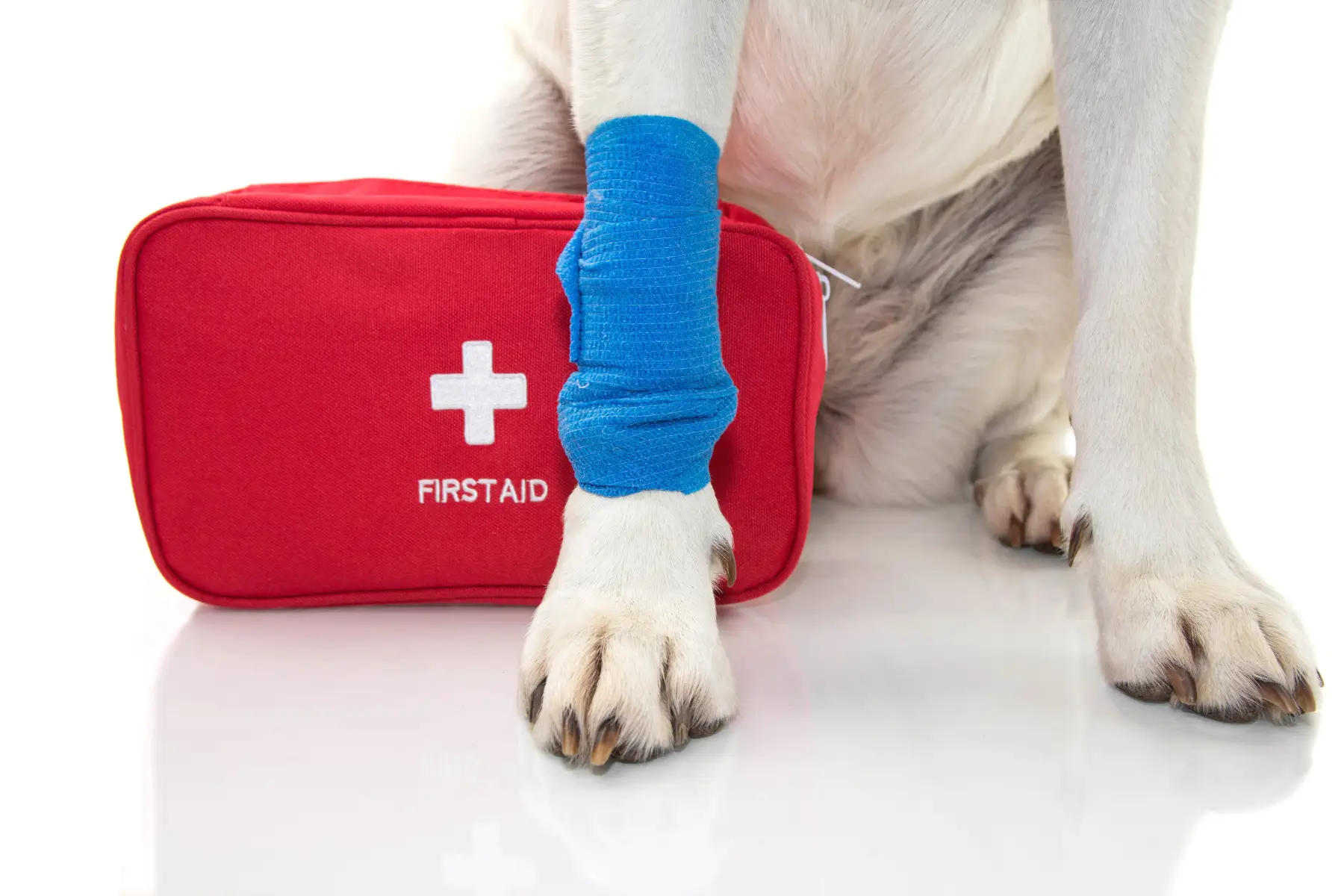
Step 3: Protect the Area Gently pat dry and cover with a clean, dry bandage. Don’t apply ointments or medications unless directed by a veterinarian.
Step 4: Prevent Further Damage Keep your pet from licking or chewing affected areas. An Elizabethan collar may be necessary.
Step 5: Veterinary Evaluation Frostbite requires professional assessment. The full extent of damage often isn’t apparent initially, and veterinary treatment can help minimize tissue loss and prevent infection.
Prevention: Your Best Defense Against Cold-Weather Injuries
Know Your Limits
The general guideline is that if it’s too cold for you to be comfortable outside, it’s too cold for your pet. However, specific temperature thresholds vary:
- Above 45°F: Generally safe for most healthy adult dogs
- 32-45°F: Small, short-haired, young, old, or sick pets should have limited exposure
- 20-32°F: Monitor all pets closely; limit time outdoors significantly
- Below 20°F: Dangerous for most pets; outdoor time should be minimal and supervised
Wind chill dramatically increases risk. A calm 25°F day is very different from a 25°F day with 20 mph winds, which creates a wind chill near 10°F.
Protective Gear
Appropriate clothing isn’t just fashionable; it’s functional safety equipment:
Jackets and Sweaters: Choose well-fitted coats that cover from neck to tail base, protecting the chest and belly. Look for water-resistant outer layers with warm inner linings. At Doggie Dude Ranch, we ensure short-haired dogs wear jackets during winter outdoor play because we know their natural coat isn’t sufficient protection.
Booties: Paw protection serves multiple purposes: insulation from frozen ground, protection from ice-melting chemicals, and prevention of ice ball formation between toes. Yes, booties look adorable, but they’re also genuinely protective equipment.
Avoid Unnecessary Wetting: Keep your pet’s coat dry. Wet fur loses its insulating properties and accelerates heat loss dramatically. If your dog loves snow, limit the duration and ensure thorough drying afterward. This is why our long-haired guests at Doggie Dude Ranch get the full spa treatment of towel-drying followed by blow-drying after outdoor winter play.
Adjust Activities
Winter requires modifications to your normal routine:
- Shorten walks: Multiple short outings are safer than one long exposure
- Time it right: Walk during the warmest part of the day when possible
- Watch for signs: Stay vigilant for shivering, lifting paws, or reluctance to continue
- Skip the extremes: On brutally cold days, indoor play and mental enrichment can substitute for outdoor exercise
Paw Care Specifics
Paws are particularly vulnerable and require special attention:
- Pre-walk preparation: Apply paw balm to create a protective barrier
- Post-walk care: Wash and dry paws thoroughly, checking between toes for ice balls or cracks
- Trim paw fur: Long fur between pads can collect ice and snow
- Chemical awareness: Ice-melting products can burn and poison—rinse paws after walks
Indoor Safety
Even indoor pets can face cold-related risks:
- Keep cats away from windows and drafts in extremely cold weather
- Ensure pet beds aren’t located in cold areas of the home
- Never leave pets in unheated garages, basements, or outdoor structures
- Check that heating systems are working properly
The Doggie Dude Ranch & O’Cat Corral Approach to Winter Safety
Managing cold-weather safety for multiple pets simultaneously requires expertise, vigilance, and proper facilities. Here’s how we ensure every guest stays safe and comfortable during Denver’s freezing winter months:
Climate-Controlled Indoor Spaces
Our indoor climate-controlled playroom isn’t just a luxury; it’s a critical safety feature. When temperatures plummet, small dogs and vulnerable pets enjoy active play in a warm, safe environment. They get the exercise and socialization they need without any cold-weather risks.
For our feline guests at the O’Cat Corral, there’s no outdoor exposure during their stay. Cats remain in our temperature-controlled facility where they’re safe from winter weather while enjoying comfortable accommodations and enrichment activities.
Size-Appropriate Protocols
We recognize that one-size-fits-all doesn’t work for winter safety. Small dogs automatically move to indoor play on cold days. Larger, heartier breeds may enjoy supervised outdoor time, but we carefully monitor duration and behavior.
Protective Equipment
Short-haired dogs don’t go out without jackets during winter. We maintain a supply of properly fitted coats because we understand that breeds like Pit Bulls, Weimaraners, and Boxers need this extra layer despite their size and energy level.
Post-Play Care
Long-haired dogs who’ve been romping in the snow receive immediate attention upon coming inside. Our staff towel-dries each dog thoroughly, then uses blow dryers to ensure their coat is completely dry and warm. This isn’t just about comfort; it’s about preventing the dangerous heat loss that occurs when thick coats remain wet and cold against the skin.
Expert Monitoring
Our experienced staff knows what to watch for. We observe each dog’s behavior during outdoor time, looking for early warning signs like excessive paw lifting, shivering, or reluctance to play. We don’t wait for problems to develop; we act at the first indication that a dog is getting too cold.
Individualized Attention
We consider each pet’s unique factors: age, breed, health status, coat type, and body condition. What’s appropriate for a young, healthy Husky is completely different from what’s safe for a senior Greyhound or a puppy. Our protocols adapt to each individual guest.
Special Considerations for Cat Owners
While this article focuses heavily on dogs—who are more likely to spend time outdoors—cat owners should also be aware of cold-weather risks:
Outdoor Cats: If you have indoor-outdoor cats, they face all the same risks as dogs. Limit outdoor time in extreme cold, provide heated shelters, and ensure they have a way to get inside quickly if needed.
Window Watchers: Cats who love to lounge in windows should be monitored. Cold drafts through poorly sealed windows can affect body temperature, especially in older or thin cats.
Garage Dangers: Cats seeking warmth may crawl into engine compartments of cars. Always bang on your hood and check before starting your vehicle in cold weather.
Feral and Community Cats: If you care for outdoor cat colonies, provide insulated shelters with straw (not hay, which retains moisture) and check water sources frequently as they freeze quickly.
At the O’Cat Corral, we eliminate these concerns entirely. Our feline guests stay in our climate-controlled facility where they’re safe from all winter weather hazards while enjoying comfortable suites, climbing structures, and attentive care.
When to Seek Emergency Veterinary Care
Some situations require immediate professional intervention. Don’t wait. Head to your veterinarian or emergency clinic if you observe:
- Severe shivering or shivering that suddenly stops
- Lethargy progressing to unresponsiveness
- Difficulty breathing or very slow breathing
- Pale, blue, or gray gums
- Suspected moderate to severe hypothermia (body temperature below 99°F)
- Signs of frostbite, especially if tissue appears dark, black, or dead
- Your pet collapsed or cannot stand
- Unusual behavior or confusion
- Any doubt about the severity of the situation
Remember: hypothermia and frostbite can cause internal complications that may not be immediately visible. Even if your pet seems to recover after warming, veterinary evaluation is important to rule out internal damage, cardiac issues, or other complications.
Creating Your Winter Safety Plan
Take a few minutes now to prepare for cold-weather emergencies:
- Know your pet’s vulnerabilities: Consider breed, age, health status, and coat type
- Invest in protective gear: Get properly fitted jackets and booties before you need them
- Identify your emergency vet: Know where to go and how to get there quickly
- Keep a thermometer handy: A pet-safe rectal thermometer helps assess situations accurately
- Assemble warming supplies: Keep warm blankets and hot water bottles accessible
- Monitor weather: Check temperature and wind chill before outdoor activities
- Watch for early signs: Don’t wait for severe symptoms; respond to initial warnings
Vigilance Saves Lives
Colorado’s winter weather is beautiful but potentially dangerous for our pets. Hypothermia and frostbite aren’t just inconveniences; they’re serious medical emergencies that can result in permanent injury or death. The good news is that with awareness, preparation, and appropriate precautions, these conditions are largely preventable.
Whether you’re walking your dog around the neighborhood, playing in the backyard, or bringing your pet to Doggie Dude Ranch for a boarding stay, understanding the risks and warning signs of cold-weather injuries is essential. Trust your instincts: if you think your pet is too cold, they probably are. It’s always better to err on the side of caution.
At Doggie Dude Ranch and the O’Cat Corral, we’re committed to keeping every guest safe and comfortable regardless of what winter throws at us. Our climate-controlled facilities, size-appropriate protocols, protective equipment, and expert staff monitoring ensure that pets can enjoy their stay without cold-weather risks. When you entrust your furry family member to our care, you can rest assured that we’re taking every precaution to protect them from hypothermia, frostbite, and all winter weather hazards.
Stay warm, stay safe, and remember: a little extra caution during Colorado’s coldest days can make all the difference in keeping your beloved companion healthy and happy throughout the winter season.
Have questions about how we keep your pet safe during winter boarding stays? Contact Doggie Dude Ranch and the O’Cat Corral today. Your pet’s safety and comfort are always our top priority.