Skip to content




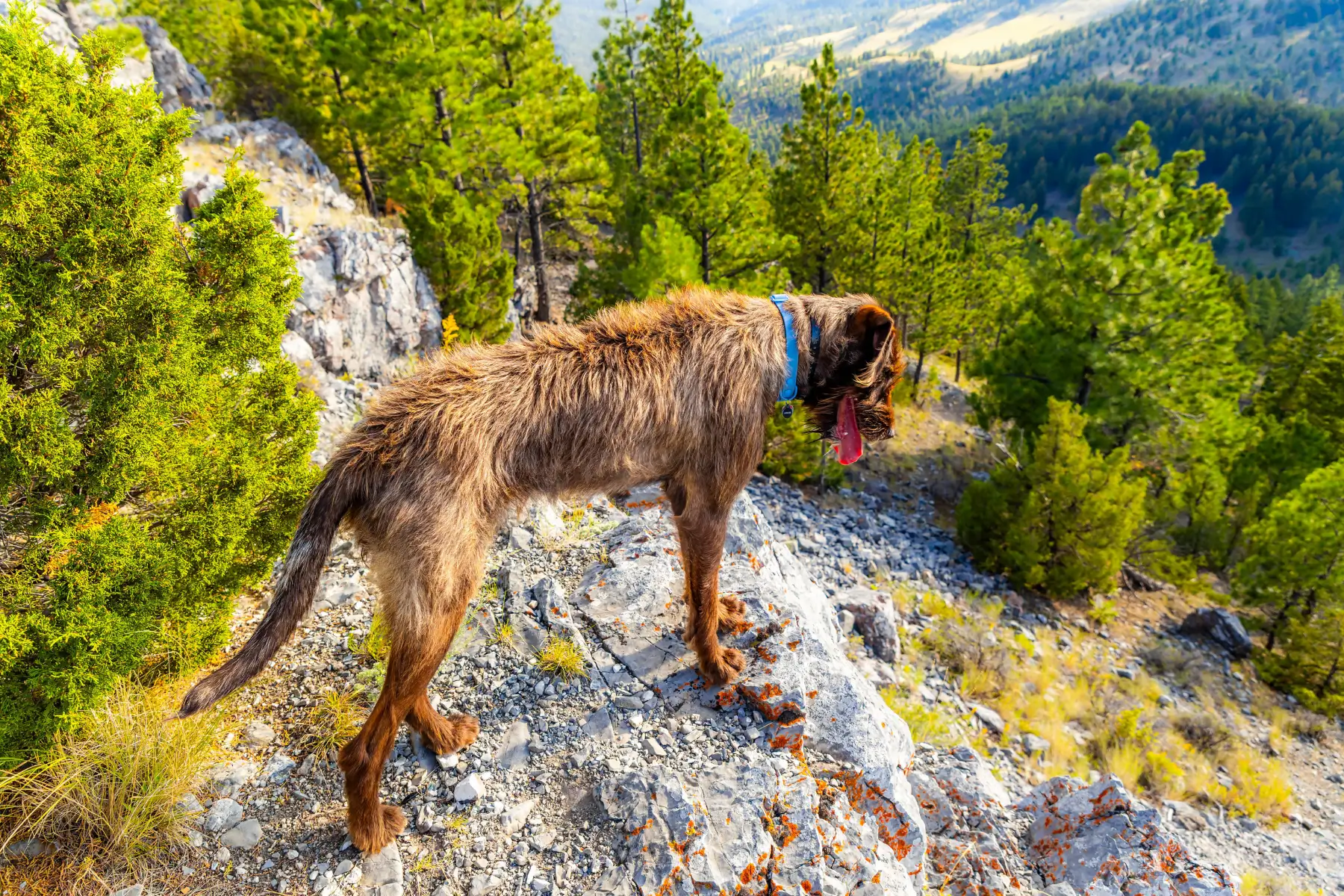
Living in Colorado means life with stunning mountain vistas, endless hiking trails, and that unique high-altitude lifestyle that makes the Centennial State so special. But whether you’re a newcomer to the area or a lifelong resident planning mountain adventures with your four-legged companion, there’s an often-overlooked health concern that every Colorado dog owner should understand: altitude sickness in dogs.
At Doggie Dude Ranch and the O’Cat Corral, located in Watkins at approximately 5,500 feet above sea level, we’ve seen firsthand how altitude affects pets. While Watkins sits at a moderate elevation compared to Colorado’s mountain peaks, we’re still high enough that dogs visiting from lower elevations sometimes need time to adjust. And when our guests’ families plan hiking trips to the Rockies or weekend getaways in the high country, understanding altitude sickness becomes critically important.
Today, we’re breaking down everything Colorado pet owners need to know about altitude sickness in dogs, from recognizing the warning signs to preventing problems before they start.
What is Altitude Sickness in Dogs?
Altitude sickness, also called acute mountain sickness, occurs when a dog’s body struggles to adapt to lower oxygen levels and decreased atmospheric pressure found at higher elevations. Just like humans, dogs need a steady supply of oxygen to fuel every bodily function. When that oxygen becomes scarce (as it does at high elevation), their bodies must work significantly harder to compensate.
At sea level, the air contains abundant oxygen molecules that easily fill the lungs with each breath. As elevation increases, the air becomes thinner, meaning fewer oxygen molecules are available per breath. While this might not sound dramatic, the effect is profound. At 8,000 feet, there’s approximately 25% less oxygen available than at sea level. By 14,000 feet—the elevation of Colorado’s famous “fourteeners”—oxygen availability drops to about 40% less than sea level.
When a dog ascends to higher elevations, particularly if the ascent is rapid, their body attempts to compensate for reduced oxygen through several mechanisms:
- Breathing rate increases to pull in more air
- Heart rate accelerates to circulate oxygen-rich blood faster
- Red blood cell production eventually increases (with proper acclimatization)
However, these compensatory mechanisms take time to develop fully. When dogs are exposed to significant altitude changes too quickly, their bodies can’t keep up with oxygen demands, especially during physical activity. This mismatch between oxygen availability and oxygen needs is what creates altitude sickness.
The Critical Elevation: When Does Risk Begin?
While individual dogs vary in their susceptibility, veterinary experts generally agree that altitude sickness becomes a concern at elevations above 8,000 feet. This is the threshold where oxygen levels decrease enough to potentially cause symptoms in dogs who aren’t acclimatized.
To put this in perspective for Colorado residents and visitors:
Moderate Elevations (5,000-8,000 feet):
- Denver: 5,280 feet
- Watkins: approximately 5,500 feet
- Aurora: 5,471 feet
- Colorado Springs: 6,035 feet
- Fort Collins: 5,003 feet
At these elevations, most healthy dogs from lower areas may experience mild adjustment periods but typically don’t develop serious altitude sickness. However, dogs with pre-existing heart or respiratory conditions, brachycephalic (flat-faced) breeds, or very young or senior dogs may show symptoms even at moderate elevations.
High Elevations (8,000-12,000 feet):
- Breckenridge: 9,600 feet
- Vail: 8,150 feet
- Aspen: 7,908 feet
- Leadville: 10,152 feet (the highest incorporated city in the United States)
This range is where altitude sickness becomes a real concern for dogs, especially those not accustomed to elevation and those engaging in vigorous activity.
Very High Elevations (12,000+ feet):
- Trail Ridge Road: reaches over 12,000 feet
- Colorado’s 58 fourteeners: all above 14,000 feet
- Many popular hiking trails reach these elevations
At these heights, even well-acclimatized dogs face challenges, and altitude sickness becomes increasingly likely without proper preparation and caution.
Recognizing the Symptoms: What to Watch For
The challenge with altitude sickness in dogs is that they can’t tell us they’re feeling dizzy, nauseous, or have a pounding headache. Unlike humans, who can communicate discomfort early, dogs continue pushing themselves until symptoms become severe. This makes careful observation absolutely critical.
Early Warning Signs
Catching altitude sickness early allows for immediate intervention before the condition progresses. Watch for these initial symptoms:
- Excessive Panting: While panting is normal during exercise, altitude-related panting is different. It’s often more intense, continues even during rest periods, and seems disproportionate to the activity level. The dog appears to be working hard just to breathe.
- Increased Thirst: Dogs at elevation often show excessive thirst as their bodies work to compensate for the dry air and increased respiratory effort. If your dog is drinking significantly more than usual, pay close attention to other symptoms.
- Decreased Energy and Lethargy: A dog who’s normally enthusiastic about hiking but suddenly seems tired, reluctant to continue, or lags behind may be experiencing oxygen deprivation. This lethargy often appears gradually as the body struggles to maintain normal energy levels.
- Loss of Appetite: Just as humans often lose their appetite at elevation, dogs may show disinterest in food or treats they normally devour. This can happen even when the dog doesn’t seem otherwise ill.
- Restlessness or Anxiety: Some dogs become unusually anxious or restless when experiencing altitude effects, start pacing, or are unable to settle down despite being tired.
Moderate to Severe Symptoms
If early signs are missed or ignored, altitude sickness can progress rapidly. These symptoms require immediate attention:
- Vomiting or Nausea: Visible retching, vomiting, or excessive drooling indicates the dog’s system is overwhelmed. This often accompanies disorientation and weakness.
- Difficulty Breathing: Labored breathing, gasping, or breathing that sounds wet or bubbly suggests serious respiratory distress. This may indicate fluid accumulation in the lungs (pulmonary edema).
- Loss of Coordination: Stumbling, swaying, or difficulty walking indicates the brain isn’t receiving adequate oxygen. This is a neurological warning sign that demands immediate action.
- Pale or Blue-Tinged Gums: Check your dog’s gums—they should be pink and moist. Pale gums indicate poor circulation, while blue or gray gums signal severe oxygen deprivation and constitute a medical emergency.
- Collapsing or Extreme Weakness: A dog who collapses, can’t stand, or becomes unresponsive needs emergency veterinary care immediately. This indicates critical oxygen deprivation and possible pulmonary or cerebral edema.
- Coughing: A persistent cough, especially one that sounds wet or produces foam, can indicate fluid accumulation in the lungs—a life-threatening complication of severe altitude sickness.
- Nosebleed: Bleeding from the nose at altitude is a serious warning sign of extreme stress on the cardiovascular system.
Which Dogs Face Higher Risk?
While any dog can develop altitude sickness under the wrong circumstances, certain factors significantly increase vulnerability.
Brachycephalic (Flat-Faced) Breeds
Bulldogs, Pugs, French Bulldogs, Boston Terriers, Pekingese, Shih Tzus, and other brachycephalic breeds are at exceptionally high risk. These dogs already struggle with breathing efficiency due to their shortened airways, narrowed nostrils, and elongated soft palates. Adding the challenge of reduced oxygen availability at elevation creates a dangerous combination.
For brachycephalic breeds, even moderate elevations around 6,000-7,000 feet can cause problems, and taking these dogs above 8,000 feet is generally not recommended. If you own a flat-faced breed and plan mountain activities, consult your veterinarian first and consider keeping adventures at lower elevations.
Dogs with Pre-Existing Conditions
Heart Disease: Dogs with heart conditions, heart murmurs, or any cardiovascular issues should not be taken to high elevations without explicit veterinary approval. The heart must work harder at altitude, and compromised hearts can’t handle the additional strain. What seems like minor heart disease at lower elevations can become critical at 8,000+ feet.
Respiratory Conditions: Asthma, chronic bronchitis, collapsing trachea, or any condition affecting lung function makes altitude extremely dangerous. These dogs already struggle to get adequate oxygen at sea level; reduced oxygen availability at elevation can quickly become life-threatening.
Anemia: Dogs with anemia have fewer red blood cells to carry oxygen throughout their bodies. At elevation, where oxygen is already scarce, anemia compounds the problem significantly.
Age Considerations
Puppies: Very young dogs have developing cardiovascular and respiratory systems that may not handle altitude stress well. Additionally, puppies tend to overexert themselves without recognizing their own limitations, increasing risk.
Senior Dogs: Older dogs often have some degree of age-related heart or lung changes, even if not formally diagnosed. Their bodies are less adaptable and resilient to environmental stressors like altitude. A senior dog who handled mountain hikes well at age 5 may struggle with the same elevation at age 12.
Size Factors
Small Dogs: Toy and small breeds tend to have faster heart rates and higher metabolic demands relative to their size. They can overheat more easily and may tire faster at elevation. However, their small size does make them easier to carry if problems develop.
Large, Deep-Chested Breeds: Great Danes, German Shepherds, Dobermans, and other large, deep-chested breeds have an increased risk of bloat (gastric dilatation-volvulus), which some research suggests may be more likely to occur at elevation due to changes in air pressure and increased panting.
Fitness Level
A dog who spends most days on the couch will struggle at elevation far more than a regularly active, fit dog. Physical conditioning improves cardiovascular and respiratory efficiency, providing better resilience against altitude challenges. However, even very fit dogs need time to acclimatize to significant elevation changes.
The Denver Connection: Understanding Your Starting Point
Doggie Dude Ranch and the O’Cat Corral sits at approximately 5,500 feet in Watkins, Colorado (near Denver, CO—5,280 feet). While this is considerably higher than most of the United States, which averages around 2,500 feet, it’s moderate by Colorado standards.
For dogs who live with us at this elevation, their bodies have naturally adapted over time. Their red blood cell counts are likely higher than those of dogs at sea level, their cardiovascular systems have adjusted to the lower oxygen availability, and they function normally at 5,500 feet.
However, this doesn’t mean these dogs are automatically ready for 10,000 or 14,000-foot adventures. The jump from 5,500 feet to 10,000+ feet still represents a significant change requiring acclimatization. The good news is that dogs already living at moderate elevation have a head start—they’re better prepared for high-altitude excursions than dogs coming from sea level.
For dogs visiting Watkins from lower elevations—particularly from sea level or below 2,000 feet—our moderate 5,500-foot elevation may require a brief adjustment period, especially for dogs with pre-existing conditions or high-risk breeds. Most healthy dogs adapt within 24-48 hours at this elevation, but we remain vigilant during boarding stays for any signs that a guest is struggling with the altitude adjustment.
Prevention: The Best Medicine
The best approach to altitude sickness is preventing it from developing in the first place. With proper planning and gradual acclimatization, most healthy dogs can safely enjoy Colorado’s mountains.
Gradual Acclimatization
The single most effective prevention strategy is allowing time for acclimatization. Dogs’ bodies need time to adjust to reduced oxygen levels by increasing red blood cell production, improving oxygen utilization efficiency, and adapting cardiovascular function.
For Dogs from Low Elevations: If you’re moving to Colorado from a low-elevation state or visiting with your dog, build in adjustment time before demanding physical activities:
- Spend 2-3 days at moderate elevation (5,000-6,000 feet) before attempting higher climbs
- Keep activity levels moderate during this initial period
- Watch for any signs of struggle and extend acclimatization time if needed
For High-Altitude Adventures: When planning hikes or trips above 8,000 feet, use a stepped approach:
- Spend at least one night at an intermediate elevation (6,000-8,000 feet) before going higher
- Avoid jumping directly from 5,000 to 12,000 feet in a single day
- The more gradual the ascent, the better the body can adapt
Hydration is Critical
At elevation, the air is significantly drier, which increases water loss through breathing. Additionally, increased respiratory rate—a natural response to reduced oxygen—further accelerates water loss. Dehydration compounds altitude stress and can worsen symptoms or slow acclimatization.
Hydration Guidelines:
- At sea level, dogs typically need about one ounce of water per pound of body weight daily
- At altitude, increase this to 1.5 ounces per pound of body weight
- Bring more water than you think you’ll need on hikes—dogs often need frequent water breaks
- Offer water every 15-20 minutes during activity, even if your dog doesn’t seem thirsty
- Consider adding wet food to your dog’s diet during mountain trips to increase water intake
Signs of Dehydration:
- Sunken eyes
- Dry, sticky gums
- Decreased skin elasticity (when you gently pinch skin, it doesn’t spring back quickly)
- Lethargy
- Concentrated, dark urine
Limit Physical Activity
The temptation when reaching a beautiful trailhead is to let your enthusiastic dog run and play freely. Resist this urge, especially during the first days at elevation.
Activity Guidelines:
- Keep the first day’s activities very light—short, leisurely walks only
- Gradually increase activity duration and intensity over 3-5 days
- Take frequent rest breaks, even if your dog seems energetic
- Watch for any early warning signs and be willing to cut activities short
- Remember that dogs don’t self-regulate well—they’ll push themselves to exhaustion trying to keep up
High-Altitude Hiking Rules:
- Start hikes early in the day before temperatures peak
- Choose shorter trails than you’d normally attempt at lower elevations
- Turn back at the first sign of distress—summiting isn’t worth your dog’s health
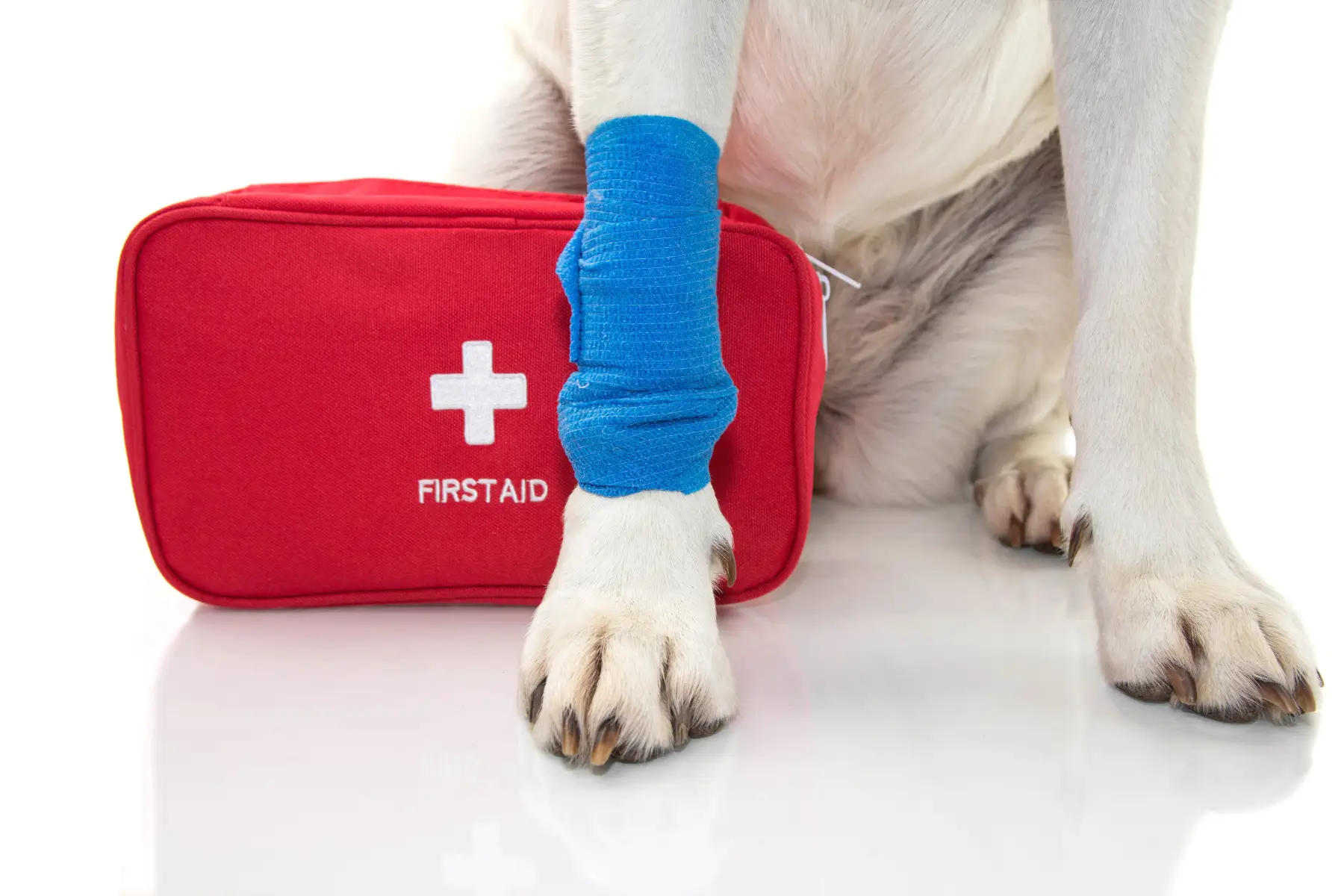
- Carry a dog first aid kit and know how to use it
- Consider bringing a dog carrying harness or emergency carrier in case your dog needs help getting down
Pre-Trip Veterinary Check
Before planning significant elevation changes, schedule a veterinary examination to ensure your dog is healthy enough for altitude exposure.
What Your Vet Will Assess:
- Heart health through auscultation and possibly EKG
- Lung function and respiratory soundness
- Overall fitness level and any concerns about exercise tolerance
- Recommendation on whether your specific dog should attempt high elevations
- Guidance on medications if your dog has manageable conditions
For dogs with known health issues, your veterinarian may recommend specific precautions or even advise against high-altitude activities entirely.
Consider Altitude Timing
If you have flexibility in planning, consider the time of year for high-altitude adventures:
Summer Considerations:
- Higher temperatures can compound altitude stress
- Increased risk of heat exhaustion when combined with reduced oxygen
- Plan for early morning hikes to avoid the afternoon heat
Winter Considerations:
- Cold temperatures plus altitude create additional cardiovascular demands
- Deep snow makes hiking more strenuous
- Risk of hypothermia if dogs become wet or exhausted
What to Do If Symptoms Develop
Despite best efforts at prevention, altitude sickness can still occur. Recognizing symptoms and responding quickly is essential.
Immediate Actions
Stop Activity Immediately: As soon as you notice any symptoms, stop all physical activity. Have your dog rest in a shaded, cool area if possible.
Offer Water: Provide fresh water and encourage drinking. Don’t force water, but make it readily available.
Descend to Lower Elevation: This is the single most important treatment. Descending even 1,000-2,000 feet can significantly improve symptoms. If symptoms are moderate to severe, begin descending immediately. Don’t wait to see if rest alone helps.
Monitor Closely: Watch for improvement or worsening of symptoms as you descend. If symptoms don’t begin improving within 30-60 minutes of reaching lower elevation, veterinary care is necessary.
Keep Your Dog Calm: Anxiety and stress increase oxygen demands. Speak calmly, provide comfort, and avoid situations that increase your dog’s stress level.
When to Seek Emergency Veterinary Care
Some situations require immediate professional intervention:
- Difficulty breathing or gasping for air
- Blue or gray gums
- Collapse or inability to stand
- Severe disorientation or loss of consciousness
- Symptoms that worsen despite descending to lower elevation
- Coughing that produces foam or froth
- Any symptom that causes you serious concern
Don’t hesitate or second-guess yourself. Altitude sickness can progress from moderate to life-threatening quickly. Call ahead to the nearest veterinary emergency clinic to let them know you’re coming with a dog experiencing altitude sickness.
Life-Threatening Complications: Pulmonary and Cerebral Edema
In severe cases, altitude sickness can progress to two life-threatening conditions: high-altitude pulmonary edema (HAPE) and high-altitude cerebral edema (HACE).
Pulmonary Edema: Fluid accumulates in the lungs, severely impairing breathing. Signs include extreme difficulty breathing, coughing (often producing pink frothy fluid), blue gums, and crackling sounds when breathing. This is a medical emergency requiring immediate descent and veterinary care.
Cerebral Edema: Fluid accumulates around the brain, causing severe neurological symptoms: extreme confusion, loss of coordination, seizures, or unconsciousness. This is also a critical emergency requiring immediate intervention.
Both conditions can be fatal without treatment. The best treatment is aggressive descent to lower elevation combined with emergency veterinary care, which may include oxygen supplementation, diuretics to remove fluid, and supportive care.
Special Considerations for Colorado Residents
Dogs Living at Moderate Elevation
If your dog lives at 5,000-6,000 feet (like many Denver metro area residents), they’ve already adapted to moderate elevation. However, this doesn’t provide immunity to altitude sickness at significantly higher elevations.
Think of it this way: your dog has climbed the first few rungs of the adaptation ladder, but there are many more rungs to go before reaching 10,000+ feet. You’ll likely find they handle high-altitude excursions better than dogs from sea level, but they still need:
- Gradual ascent when possible
- Careful monitoring for symptoms
- Appropriate rest and hydration
- Recognition that 14,000 feet is a big jump from 5,500 feet
Adopting Dogs from Other Elevations
Colorado has a wonderful culture of pet adoption, and many residents adopt dogs transported from other states. If you adopt a dog from a low-elevation area, give them adequate time to adjust to Colorado’s elevation before demanding physical activities.
Adjustment Timeline:
- Week 1: Light activities only—short walks, backyard play
- Week 2-3: Gradually increase walk length and intensity
- Week 4+: Normal activity levels appropriate for your elevation
Senior dogs and those with health issues may need even longer adjustment periods.
Traveling Out of State
The reverse situation also requires consideration. If your Colorado dog travels to sea level or low-elevation areas, they may initially feel exceptionally energetic due to increased oxygen availability. While this isn’t dangerous like altitude sickness, be aware that they might overexert themselves in their excitement. Monitor activity levels and prevent exhaustion or injury from excessive running and playing.
The Role of Boarding During Travel
When Colorado residents travel to even higher elevations for ski trips, hiking vacations, or mountain getaways, many face a decision: bring their dog along or arrange boarding?
At Doggie Dude Ranch and the O’Cat Corral, we understand this dilemma. While the idea of sharing mountain adventures with your dog is appealing, the reality is that many dogs, particularly those at higher risk, are safer and happier staying at moderate elevation with professional care rather than being exposed to altitudes their bodies can’t handle.
Our facility at 5,500 feet provides a comfortable middle ground. Dogs aren’t experiencing the extreme elevation changes of a 14,000-foot peak, yet they’re not dealing with the stress of traveling, new environments, and intense physical demands. For many families, boarding provides peace of mind knowing their pet is safe, comfortable, and cared for rather than potentially struggling with altitude sickness in the mountains.
We’re always happy to discuss individual situations and help families make the best decisions for their specific dogs and travel plans.
Planning for Safe Colorado Adventures
Colorado’s mountains offer incredible opportunities for outdoor adventures with dogs, but safety must come first. By understanding altitude sickness, recognizing your dog’s individual risk factors, and taking appropriate precautions, you can help ensure those adventures remain happy memories rather than medical emergencies.
Your Pre-Adventure Checklist
✓ Veterinary health check within the past 6 months
✓ Honest assessment of your dog’s risk factors
✓ Acclimatization plan for your target elevation
✓ Adequate water for the entire trip (plus extra)
✓ Knowledge of nearest veterinary emergency facilities
✓ Dog first aid kit with basic supplies
✓ Plan to monitor for symptoms and descend if needed
✓ Realistic expectations about your dog’s capabilities
Know Your Limits
Not every dog should attempt every elevation. A flat-faced Bulldog simply shouldn’t be taken to 12,000 feet, no matter how much you’d love their company. A senior dog with a heart murmur deserves gentler adventures at moderate elevations.
Sometimes the most loving decision is recognizing your dog’s limitations and adjusting your plans accordingly. Choose lower-elevation trails, opt for shorter hikes at familiar elevations, or consider boarding your dog when your adventures exceed their safe capabilities.
Living the Colorado Lifestyle Safely
Colorado’s spectacular mountain environment is one of the state’s greatest treasures, and sharing it with our dogs enriches both our lives and theirs. But that sharing comes with the responsibility to understand the risks, recognize our dogs’ limitations, and prioritize their health over our desire to reach every summit or complete every trail.
At Doggie Dude Ranch and the O’Cat Corral, we’re proud to be part of the Colorado pet community. Whether your dog is a lifelong Colorado resident adapted to our 5,500-foot elevation, a newcomer still adjusting to thinner air, or a visiting guest experiencing Colorado for the first time, we’re committed to understanding and supporting their individual needs.
Altitude sickness is preventable, treatable, and manageable with knowledge and preparation. By understanding the signs, knowing your dog’s risk factors, and taking appropriate precautions, you can safely enjoy everything Colorado’s mountains have to offer—together with your four-legged adventure partner by your side.