Skip to content




Quick Answer: Does CBD Help with Pet Anxiety?
Growing research suggests CBD may help reduce anxiety in pets, though scientific evidence remains limited. Between 2018 and 2024, usage among dog owners tripled from 4% to 12%, with cat owners increasing from 3% to 7%1. Most pet owners report using CBD primarily for anxiety management. Recent controlled studies have demonstrated measurable stress reduction in dogs given CBD, though researchers note that much of the anxiety-related evidence comes from owner observations rather than rigorous clinical trials2, 3. Before trying CBD, consult your veterinarian, verify products have independent laboratory testing, confirm zero or near-zero THC content, and begin with conservative dosing.
Important Note: This article provides educational information about CBD for pet anxiety based on current research. It is not veterinary medical advice. Always consult with your veterinarian before starting any new supplement, including CBD products. Individual results may vary, and CBD may not be appropriate for all pets.
Understanding Pet Anxiety: More Common Than You Think
Anxiety disorders affect a substantial portion of the pet population, creating distress for both animals and their families. At Doggie Dude Ranch and the O’Cat Corral, we regularly encounter dogs and cats displaying various anxiety-related behaviors during boarding stays, from mild apprehension in unfamiliar settings to intense separation distress or environmental fears.
Common Forms of Pet Anxiety
Situational Anxiety: Anxiety in animals can be specific to certain situations, such as visiting the vet or being left alone for extended periods of time. Many dogs experience:
- Thunderstorm and fireworks phobia
- Car travel anxiety
- Veterinary clinic fear
- Grooming-related stress
- Separation anxiety when owners leave
These situation-specific fears can range from mild nervousness to panic-level responses.
Generalized Anxiety: Anxiety can also be generalized and occur in various situations or in response to multiple triggers. Some pets display:
- Constant nervousness or hypervigilance
- Reactivity to multiple environmental stimuli
- Difficulty relaxing even in familiar settings
- Social anxiety around people or other pets
Signs Your Pet May Be Anxious:
- Excessive panting, drooling, or pacing
- Destructive behavior when left alone
- Excessive barking, whining, or meowing
- Hiding or trying to escape
- Trembling or cowering
- Loss of appetite
- House soiling despite being housetrained
- Excessive grooming or self-mutilation
- Aggression triggered by fear
The Growing Interest in CBD for Pet Anxiety
During the past several years, cannabidiol products have gained significant traction among pet owners seeking alternatives to conventional anxiety medications.
What is CBD?
Cannabidiol represents one of many compounds derived from cannabis and hemp plants. Unlike tetrahydrocannabinol (the psychoactive component responsible for marijuana’s intoxicating effects), CBD does not create altered mental states. Legal hemp-derived products maintain THC concentrations below 0.3%, meeting federal regulatory standards.
The Rising Trend
Statistical tracking reveals dramatic growth in CBD adoption among pet owners. The American Pet Products Association documented that dog owner usage increased threefold over six years, while cat owner usage more than doubled during the same period. This expansion reflects wider movements toward integrative veterinary care and natural therapeutic options as alternatives or supplements to pharmaceutical approaches.
Pet owners increasingly view CBD as an appealing option for managing behavioral challenges, particularly anxiety-related issues. The compound’s growing acceptance stems from its non-pharmaceutical nature, anecdotal success stories shared within pet communities, and increasing availability of pet-specific formulations.
What Does the Research Say?
While CBD has achieved widespread popularity, understanding the actual scientific evidence versus anecdotal reports proves essential for informed decision-making.
Studies on Anxiety in Dogs
Recent controlled research has produced encouraging results. A study published in Frontiers in Veterinary Science examined stress responses in dogs given a single dose of THC-free CBD at 4 milligrams per kilogram of body weight. Researchers measured significant improvements across multiple stress indicators when dogs faced car travel or isolation situations.
Another large-scale investigation analyzed data from approximately 47,000 dogs using CBD through the Dog Aging Project. This demographic study, published in 2025, identified notable behavioral patterns associated with CBD use, though researchers emphasized that the observational nature meant causation couldn’t be definitively established.
Despite these promising findings, scientists acknowledge important limitations. Much anxiety-related evidence relies on owner surveys and observations rather than controlled experimental conditions. While owner reports provide valuable real-world insights, they don’t match the scientific rigor of double-blind, placebo-controlled trials.
Research on Cats
Scientific investigation of CBD effects in felines significantly lags behind canine research. Systematic reviews have identified substantial knowledge gaps, with minimal published data specifically examining anxiety, pain management, or anti-inflammatory effects in cats.
Some preliminary studies offer hope. One investigation involving cats displaying behavioral and urinary issues administered CBD combined with CBDA (cannabidiolic acid) at approximately 2 milligrams per kilogram twice daily over six weeks. Owner assessments reported improvements in litterbox habits and social interactions, with four out of five participating owners noting overall behavioral enhancement.
However, these limited findings represent only initial exploration. Researchers stress that feline physiology differs from canine in important ways, including how cats metabolize CBD, making species-specific research critical.
Other Conditions Where CBD Shows Promise
Beyond anxiety management, research has explored CBD for various pet health issues. Studies examining osteoarthritis pain in dogs have produced some of the most robust positive findings, with measurable improvements in mobility and comfort. Additional research areas include epilepsy management, where some dogs with seizure disorders have shown reduced episode frequency, skin conditions and allergic dermatitis, and general inflammatory conditions4,5.
The Honest Assessment
The American Veterinary Medical Association maintains that while CBD products show therapeutic potential for certain conditions—particularly pain management, epilepsy, and osteoarthritis—the current scientific foundation remains limited. This measured position reflects the reality that despite growing research interest, we still lack a comprehensive understanding of optimal dosing, long-term safety, and effectiveness across different conditions and species.
The research trajectory appears positive, with increasing numbers of well-designed studies underway. However, the evidence base hasn’t yet reached the depth and breadth needed for definitive clinical recommendations. This doesn’t invalidate CBD’s potential benefits; it simply means we’re still in relatively early stages of understanding how, when, and for which pets it works best.
Safety Considerations: What Pet Owners Must Know
Before introducing CBD to an anxious pet’s regimen, thoroughly understanding safety parameters is essential.
THC Toxicity in Pets
While CBD generally demonstrates good safety profiles in research, the broader cannabis context requires serious consideration. Tetrahydrocannabinol poses genuine toxicity risks to dogs and cats, producing effects ranging from mild to severe.
THC exposure in pets can trigger profound lethargy or mental confusion, coordination difficulties and balance problems, abnormal pupil dilation, excessive drooling or gastrointestinal distress, muscle tremors or seizure activity, and in extreme cases, loss of consciousness requiring emergency intervention6.
This toxicity risk underscores why selecting pet-specific CBD products with verified minimal or absent THC content isn’t just preferable—it’s mandatory for safety.
Product Quality and Testing
The pet CBD market operates with minimal regulatory oversight, creating wide quality variation between products. Testing has revealed that some products contain substantially less CBD than labeled claims, while others have shown concerning THC levels or contamination with pesticides and heavy metals.
What to Look For: Quality verification requires specific product features. Seek independent laboratory testing results (Certificates of Analysis) that confirm CBD content and verify THC levels. Check that hemp source material comes from reputable U.S. growers. Ensure labeling clearly states exact CBD content per serving. Avoid products making disease treatment claims, as legitimate supplements don’t promise cures. Verify that testing results match the specific batch number on your product container.
Potential Side Effects
Research monitoring CBD safety in pets has identified generally mild side effects when they occur. Digestive disturbances represent the most common complaint, typically manifesting as temporary loose stools or reduced appetite7, 8. Studies have also documented temporary increases in liver enzyme levels9, though these typically remain within manageable ranges and reverse upon discontinuation.
Additional effects owners have reported include increased water consumption, drowsiness or decreased energy levels, dry mouth indicated by increased thirst, and temporary lethargy. Most side effects appear dose-related and resolve with dosage adjustment or product discontinuation.
Drug Interactions
CBD metabolism occurs primarily through liver enzyme systems that process many common medications. This creates potential interaction concerns, particularly with drugs including anti-seizure medications, anti-anxiety pharmaceuticals, pain management drugs, and various other liver-metabolized compounds.
If your pet takes any regular medications, veterinary consultation before adding CBD is essential for their safety.
Quality CBD Products for Anxious Pets
Should you decide to explore CBD for your pet’s anxiety following veterinary consultation, product selection becomes paramount.
What Makes a Quality CBD Product
- Third-Party Testing: Reputable manufacturers invest in independent laboratory analysis, providing detailed Certificates of Analysis that verify actual CBD concentrations match label claims, confirm THC levels remain at or near zero, test for absence of heavy metals, pesticides, and microbial contaminants, and link results to specific production batches for verification.
- Appropriate Formulation: Quality pet CBD products feature species-specific formulations rather than repurposed human products, clear dosing guidance based on animal weight, ingredients safe for pets without potentially toxic additives, and flavoring designed for animal palatability rather than human preferences.
- Transparent Sourcing: Look for companies providing complete information about hemp cultivation sources (preferably organic U.S.-grown), extraction methodology details, accessible manufacturer contact information for questions, and responsive customer service for concerns.
CBD Products Available at Dingo’s Natural Pet
Our affiliate company, Dingo’s Natural Pet, curates CBD products meeting high-quality standards. Here are options worth discussing with your veterinarian:
For Dogs:
Earth Buddy Hemp Hearts for Dogs: This product combines CBD with omega fatty acids from hemp hearts in a treat format. The food-reward delivery method works well for dogs who enjoy treats, making daily administration straightforward.
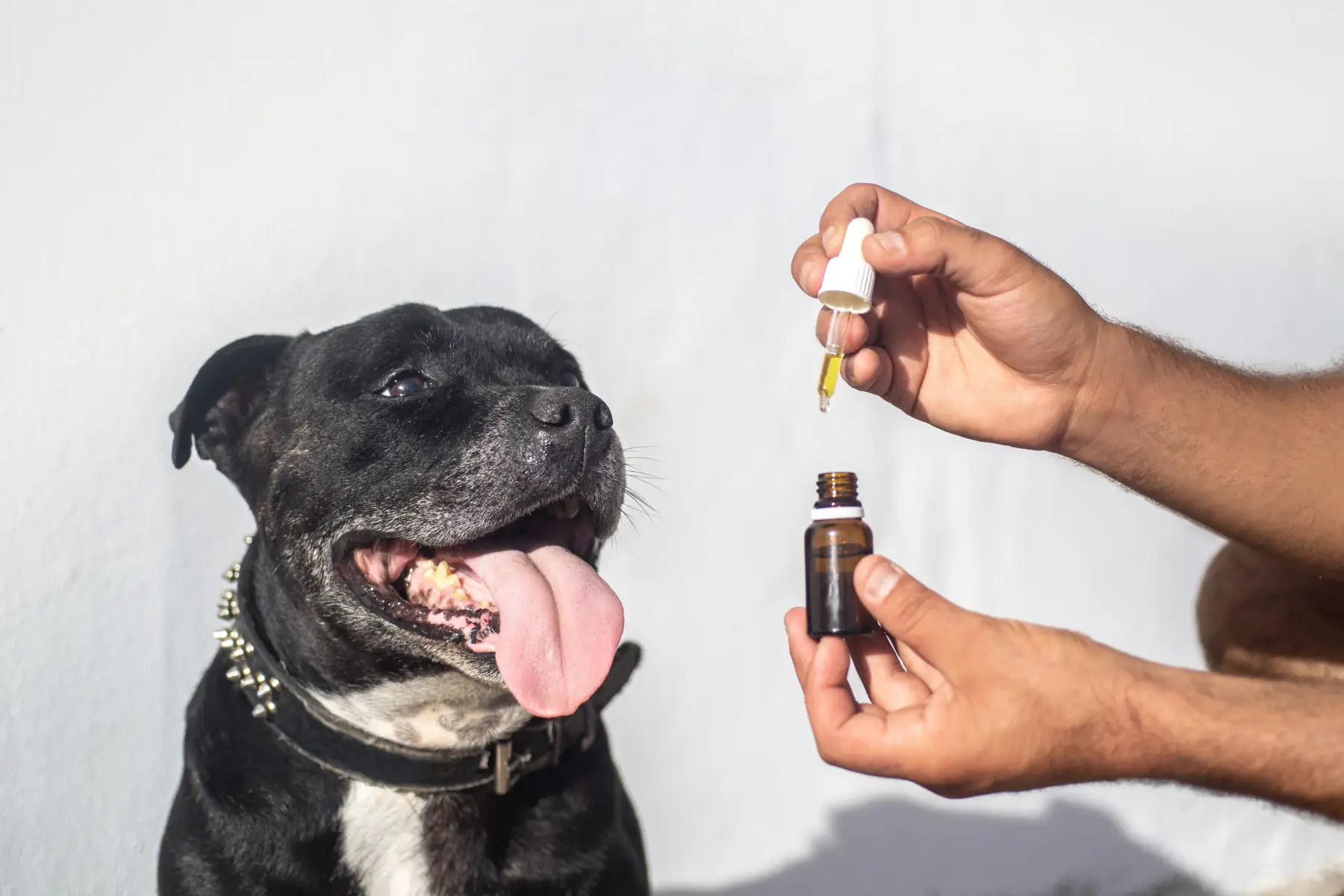
Earth Buddy CBD Oil: Tincture-style CBD oils provide dosing flexibility, allowing precise adjustment based on individual pet size and response. Oil can be mixed into food or administered directly via dropper for dogs who tolerate it.
Lix CBD Bites: These bite-sized treats offer pre-portioned CBD doses, simplifying administration for dogs across various size ranges.
Lix The Elixir CBD Oil 250 MG: This tincture formulation contains 250 milligrams total CBD content, appropriate for smaller dogs or those beginning CBD supplementation.
For Cats:
Lix the Elixir CBD Oil Feline Formula 250 MG: Cats metabolize CBD differently than dogs, making feline-specific formulations important. This cat-targeted oil accounts for unique feline physiological considerations.
Starting CBD: Dosing Guidance
While specific medical recommendations require veterinary consultation, general principles from research literature include beginning with minimal doses at the lower end of product recommendations, implementing gradual increases only after 5-7 day observation periods, maintaining detailed records of behavioral changes and any adverse effects, scheduling veterinary follow-up appointments to assess response, and maintaining consistent daily administration since CBD effects often accumulate over several weeks.
Research studies have explored various dosing ranges, with many examining doses around 2-4 milligrams per kilogram of body weight. However, individual variation means some pets respond to lower amounts while others require higher doses for observable effects.
CBD as Part of a Comprehensive Anxiety Management Plan
CBD should function as one component within a broader anxiety management strategy rather than a standalone solution.
Multi-Modal Anxiety Management
- Environmental Management: Create physically safe spaces where anxious pets can retreat during stressful periods. Employ calming audio like classical music or white noise generators during trigger events. Maintain predictable daily routines that reduce uncertainty and stress. Minimize exposure to identified anxiety triggers when feasible.
- Behavior Modification: Implement systematic desensitization protocols that gradually increase trigger exposure. Practice counter-conditioning techniques that change emotional responses to triggers. Engage certified professional trainers for persistent anxiety issues. Provide mental stimulation through enrichment activities that build confidence.
- Physical Exercise: Ensure daily physical activity appropriate for your pet’s age, breed, and health status. Schedule interactive play sessions that provide both exercise and bonding. Introduce novel, positive experiences that develop resilience. Facilitate appropriate socialization opportunities in controlled, safe settings.
- Other Supplements and Products: Consider species-specific calming pheromone products (Adaptil for dogs, Feliway for cats). Explore amino acid supplements like L-theanine with calming properties. Investigate herbal options including chamomile or valerian formulations. Try anxiety wraps or compression garments that provide comforting pressure. Examine multi-ingredient calming treats with various active compounds.
- Professional Interventions: Schedule veterinary behavior consultations for comprehensive assessment. Consider prescription anti-anxiety medications when natural approaches prove insufficient. Engage certified professional dog trainers or cat behavior specialists. Explore alternative therapeutic modalities like therapeutic massage or veterinary acupuncture.
At Doggie Dude Ranch, we support anxious dogs through specialized protocols including gradual facility introductions for nervous animals, experienced staff trained in stress signal recognition, thoughtful playgroup composition based on individual temperaments, designated quiet areas for dogs needing recovery breaks, predictable daily routines providing security, and individualized attention with positive reinforcement approaches.
When Prescription Medication May Be Necessary
Some pets experiencing severe anxiety require pharmaceutical intervention beyond what CBD or other natural approaches can provide. Prescription anti-anxiety medications, including fluoxetine, clomipramine, or situational medications like trazodone, have undergone extensive research validation with established efficacy data and standardized veterinary monitoring protocols.
No stigma should be attached to using prescription medications when clinically indicated; untreated severe anxiety profoundly diminishes quality of life. The goal is reducing suffering and improving function through whatever safe, effective means achieve those outcomes.
Making an Informed Decision
Deciding whether CBD suits your pet’s anxiety management requires careful consideration of available evidence, safety parameters, and individual circumstances.
Questions to Ask Your Veterinarian
Does my pet’s anxiety severity warrant intervention beyond basic management? Could underlying medical conditions contribute to anxiety-like behaviors? Are there specific medical reasons CBD might be inappropriate for my individual pet? What dosing range would suit my pet’s size and condition? How should I monitor for both beneficial effects and adverse reactions? Should we attempt other interventions first or combine multiple approaches? What timeframe constitutes a fair trial period before assessing CBD effectiveness?
Red Flags: When to Avoid CBD
Do not pursue CBD supplementation if your veterinarian advises against it for your specific pet, your pet has diagnosed liver disease since CBD affects hepatic enzymes, your pet takes multiple medications with potential interaction concerns, you cannot locate products with verified independent testing, your pet is pregnant or nursing, or your pet has previously shown adverse reactions to CBD.
Setting Realistic Expectations
CBD does not represent a miracle cure for pet anxiety. Even with quality products and appropriate dosing, individual responses vary considerably; some pets show marked improvement, while others demonstrate minimal benefit. Observable effects tend toward subtle rather than dramatic in many cases. Meaningful assessment typically requires 2-4 weeks of consistent use. CBD demonstrates greatest effectiveness when integrated into comprehensive management rather than used in isolation. Anxiety management often represents a long-term process demanding patience and persistence.
Making the Right Choice about Using CBD for Your Anxious Pet
Current research demonstrates growing evidence that cannabidiol may benefit anxious pets, particularly dogs, though substantial knowledge gaps remain. Studies have documented measurable stress reduction in canine subjects, yet much remains unknown about optimal dosing protocols, long-term safety profiles, and effectiveness across different species and anxiety types.
If you’re considering CBD for your anxious pet:
- Consult your veterinarian first to eliminate medical causes of behavioral changes and discuss appropriateness for your specific animal
- Choose quality products featuring independent laboratory testing and verified minimal or zero THC content
- Start with conservative doses while monitoring carefully for both positive effects and potential adverse reactions
- Use CBD as one element within a comprehensive approach including behavior modification and environmental management
- Exercise patience with realistic outcome expectations based on current evidence
- Stay informed as research continues advancing our understanding
At Doggie Dude Ranch and the O’Cat Corral, we recognize the challenges pet anxiety presents for both animals and their families. Whether you’re investigating CBD options, implementing behavior modification protocols, or seeking professional care for an anxious companion, we’re here to provide support.
Pet anxiety is highly treatable, and many dogs and cats can achieve significant quality of life improvements through appropriate intervention combinations. CBD may contribute to that solution for some pets, but it’s a decision best reached through partnership with your veterinarian, supported by accurate information and grounded expectations.